What to Expect at an Alaska Fishing Lodge Before You Book

I've stayed in three Alaska lodges over the years, and the brochure version and the reality version are two different trips. Here's the version nobody emails you before you wire the deposit.
An Alaska fishing lodge is not a hotel that happens to be near water. It's a base camp with beds, and the whole experience is built around getting you onto fish and back before dark. That framing matters, because the things that make a great lodge are not the things that make a great resort. The thread count on the pillows is irrelevant. Whether the guides actually know where the kings are holding in the second week of July is everything.
Cabins, not suites, and that's the point
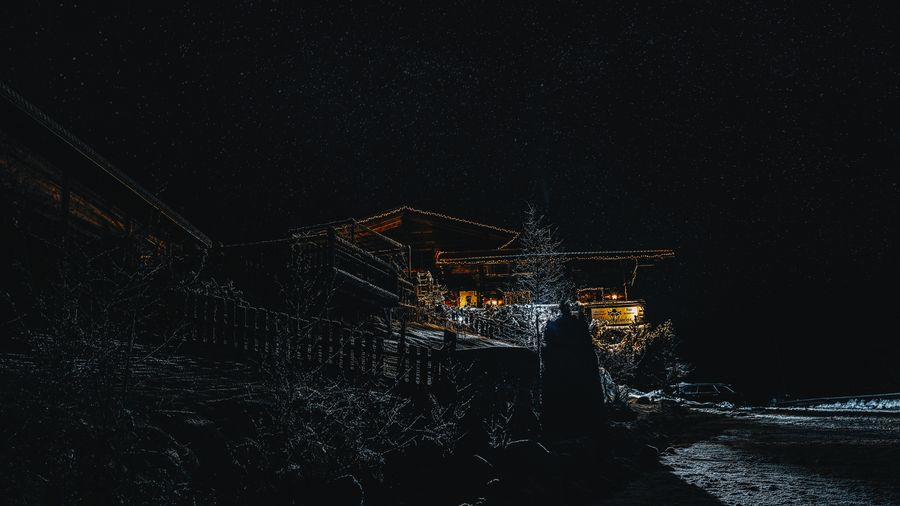
Most lodges are log-built, somewhere between rustic and comfortable, and they sleep anywhere from a handful of guests up to sixteen or so. Don't expect privacy on the scale of a hotel. You'll share meals at a long table, you'll hear the float plane warming up at six, and you'll be sharing a guide and a boat with one or two other anglers most days. I actually prefer the smaller lodges, eight to twelve guests, because the guide-to-angler ratio is better and you spend less of the day waiting your turn at the good water.
The good ones are warm, dry, and well-fed, and that's genuinely most of what you need. After ten hours fighting fish in the cold, a hot shower, a real dinner, and a bed that doesn't smell like a tent is luxury enough. Pack like you're going camping with a roof: layers, waterproofs, and your own gear if you have strong opinions about it.
What's actually included, and what isn't
This is where people get burned. "All-inclusive" in Alaska usually means lodging, meals, guides, and boat time. It frequently does not include the float plane from Anchorage, your fishing license, gratuities for guides (which add up), or fish processing and shipping if you want to take a cooler of salmon home. Read the inclusions line by line and then email and ask about the four things I just listed by name.
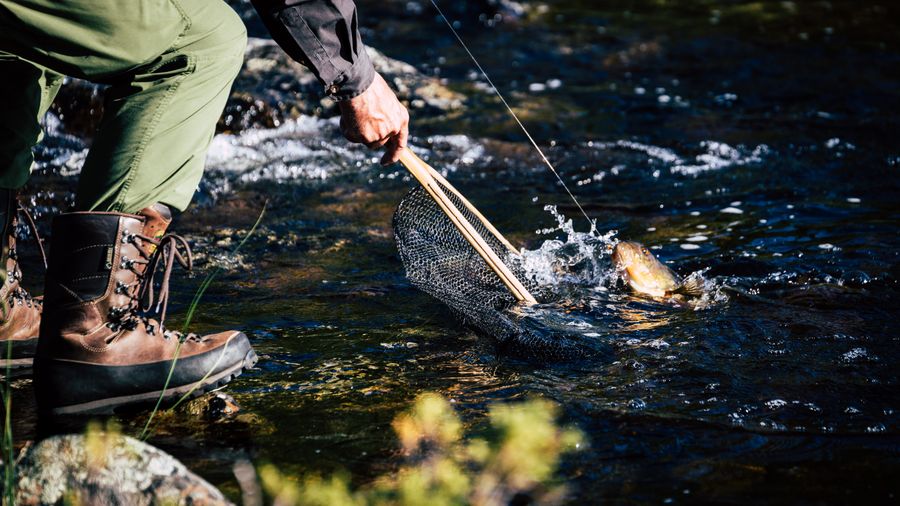
Gear is a coin flip. Many lodges keep loaner rods, fishing reel setups, and fishing lures on hand, and the guides will rig everything for you. That's fine for a first trip. But loaner gear is loaner gear: it's been dropped, the drags are tired, and you don't know its quirks. If you fish seriously at home, bring your own fishing rod and a stocked tackle box. Throw in spare line, leaders, and a backup reel, because the nearest tackle shop might be a ninety-minute flight away.
The fish dictate the calendar
Don't book a week and then ask what's running. Pick the fish, then book the week. King (Chinook) salmon peak in many systems in June and the front of July. Silvers (coho) come later, often August into September, and they're an absolute riot on lighter tackle. If you want rainbow trout, grayling, or northern pike, the timing and the location shift again, and a lodge that's perfect for kings might be mediocre for trout.
Ask the lodge, point blank, what the catch numbers looked like for your target species during the exact week you're considering, last year and the year before. A straight answer with real numbers is a good sign. A lot of vague enthusiasm about "amazing fishing year-round" is a flag. No place is good at everything every week.
How I'd vet one before paying
Three questions sort the wheat from the chaff. First, what's the guide situation: are they year-after-year veterans who know the water, or seasonal hires getting trained on your dime? Second, what's the daily structure: how many hours on the water, how many anglers per boat, and is there flexibility if the weather pins you down? Third, what's the contingency: Alaska weather grounds planes and blows out rivers, so ask what happens to your trip and your money if you lose a day or two.
I'd also call a past guest if the lodge will connect you with one. A five-minute phone call with someone who fished there gives you more truth than the entire website. Pack a quality fishing net mindset about it: you're filtering for the keepers and letting the marketing wash through.
Is it worth it?
For the right trip, absolutely. A well-run lodge collapses the logistics, the local knowledge, and the access into one package, and Alaska's fishing is genuinely some of the best on the planet. The water is thick with salmon because the tides and currents along the coast pump out baitfish by the ton, and a giant Chinook on the line is a memory you'll keep. You can sometimes catch them year-round in places like Seward.
But go in clear-eyed. You're paying for access and competence, not pampering. Budget for the extras nobody bolds in the brochure, bring your own fishing waders and core gear if you have them, match the week to the species, and vet the guides hard. Do that, and the lodge earns its price several times over. Skip it, and you'll spend serious money to stand in a beautiful place catching less than you should.
Ready to shop? Compare fishing reel across stores →