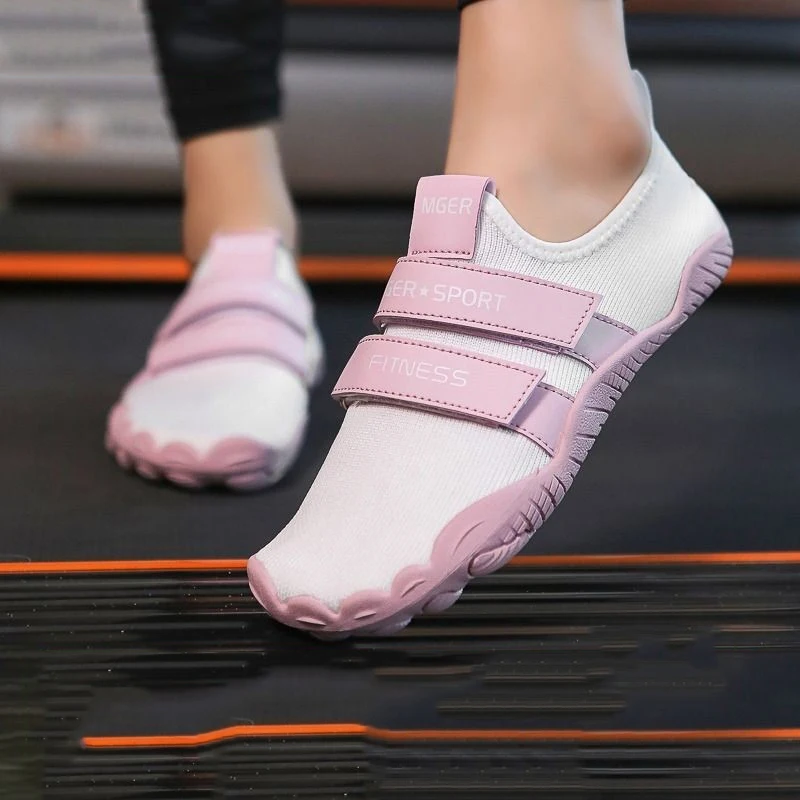
The home workout gear I would actually buy for a small apartment

Most home gym advice quietly assumes you have a garage. Most people do not. If your training space is a corner of a one-bedroom, the gear that works is different, and a lot cheaper, than the influencer racks suggest.
Small-space training comes down to three things: resistance you can scale, a way to do it quietly, and storage that disappears when you are done. A set of adjustable dumbbells, a few resistance bands, and a decent exercise mat cover more ground than a $2,000 machine ever will, and they tuck under a bed.
Who this is for, and who should skip it
This is for renters, apartment dwellers, and anyone starting out who wants to build a habit before spending big. If you can store one kettlebell and a band set in a closet, you can train hard three or four days a week without ever leaving home. The barrier is rarely equipment; it is consistency.
Who should skip it? If your goal is a heavy barbell squat or a serious powerlifting total, no apartment kit replaces a real power rack and a loaded bar. Be honest about that. A small-space setup is for general strength, conditioning, and consistency, not for chasing a 400-pound deadlift in a third-floor walkup.
What actually matters when you choose
Scalable resistance is the whole game in a small footprint. One adjustable dumbbell set that spans 5 to 50 pounds replaces an entire rack and a fixed set, and it is the single best dollar-per-square-foot purchase in home fitness. If you buy one thing, buy that.
Noise and floors come next, and they are what get renters in trouble. Dropping weights on a hardwood floor over a sleeping neighbor is a fast way to a complaint, so a few rubber floor tiles under your training spot protect both the floor and the peace. Controlled reps over dropped ones, always.
Footprint and storage decide whether you keep using the gear or resent it. A doorway pull-up bar adds a whole category of pulling work and comes down in seconds, where a fixed frame would dominate a room. The best small-space tools earn their keep, then get out of the way.
Versatility beats specialization on a budget. A simple suspension trainer anchored to a door turns bodyweight into dozens of scalable exercises for the price of one gym month. Tools that do five jobs always win over tools that do one when space is the constraint.
What I would actually buy
If I were kitting out a small apartment from scratch, the order would be: adjustable dumbbells first, a resistance band set second, a mat third, and a doorway bar fourth. That is a complete program for full-body strength and it fits in a milk crate.
For cardio in a tight space, a jump rope is unbeatable value, with the obvious caveat that you need the ceiling height and a downstairs neighbor who is out, or a willingness to do quieter footwork instead. The harder part of home training is never the gear; it is showing up, and the small routine changes in what I changed about my desk and routine apply directly to building a workout habit that sticks.
One honest warning for summer: a small room with no air conditioning gets brutal fast during a workout, and pushing hard in that heat is a real risk, so the cooling and hydration notes in what actually keeps me cool are worth reading before you train through a heat wave. Open a window and add a fan at minimum.
Common mistakes to avoid
The classic blunder is buying a folding treadmill that becomes an expensive coat rack within a month. Big single-purpose machines almost never survive contact with small-apartment reality. The second mistake is a cheap fixed-weight dumbbell set that eats a corner and stops being useful the day you get stronger.
The last mistake is buying gear instead of a plan. A beginner workout program and a calendar do more than any purchase, and they cost nothing. Get the resistance, protect the floor, store it clean, and show up. That is the entire secret, and none of it requires a garage.
Ready to shop? Compare Fitness across stores → 📚 Or browse fitness programs & plans in Digital Goods →