Why You Should Always Get a Diamond Certificate (GIA Explained)

A diamond certificate is the single best protection a buyer has — and skipping it is how people end up overpaying for a stone that isn't what they were told. It moves the source of truth from the dealer (who profits from the sale) to an independent lab (which doesn't). Never buy a serious diamond without one.
The cost is usually small, the protection is large, and it can even hand you negotiating leverage. Here's how it works.
What a certificate actually is
A diamond certificate — properly a Diamond Grading Report — is an independent lab's assessment of a stone's four Cs: color, cut, carat weight, and clarity. The gold standard comes from the Gemological Institute of America (GIA), with AGS another respected name. Crucially, the report comes from the lab, not the seller, so it's not the dealer's word you're trusting — it's a neutral expert's.
Why it matters so much
Without a certificate, you're relying entirely on a salesperson's honesty about grades you can't independently verify. A certificate lets you confirm exactly what you're buying — the real color, the real clarity, the real cut quality — before you pay. It's the difference between buying a graded, documented loose diamond and gambling on a stranger's description.
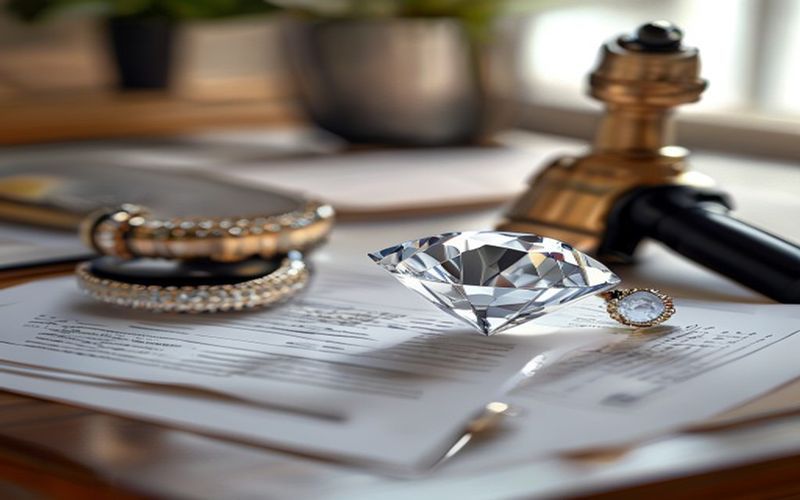
It can also win you a better price
Here's the bonus most buyers miss: a certificate is a negotiating tool. When the report spells out the exact grades, you can compare the asking price against what stones of that grade actually sell for — and push back when it's high. It also stops you from accidentally buying a lower-quality stone dressed up with confident sales talk. The small certificate fee routinely pays for itself many times over on a diamond engagement ring.
Reading the report
Beyond the four Cs, a good report includes measurements, a plotted diagram of inclusions, and sometimes a unique number laser-inscribed on the diamond's girdle so you can confirm the stone matches its paper. Always check that the inscription number matches the certificate for the actual stone you're buying — that's how you avoid a "switch."
What I'd skip
Skip any meaningful diamond purchase that comes without an independent (GIA or AGS) report — "in-house" certificates from the selling jeweler aren't independent. Skip trusting a photocopy; verify the report number on the lab's website. And skip a deal that's "too good" to come with paperwork — that's usually the tell.

The honest answer
A GIA (or AGS) certificate is cheap insurance that turns "trust me" into "here's the proof." Insist on one for any serious diamond, verify it independently, match the inscription to the stone, and use it to negotiate. It's the smartest few dollars you'll spend in the whole purchase.
Ready to shop? Compare diamond engagement ring across stores →