Are Diamonds Actually Rare? The Truth Before You Buy
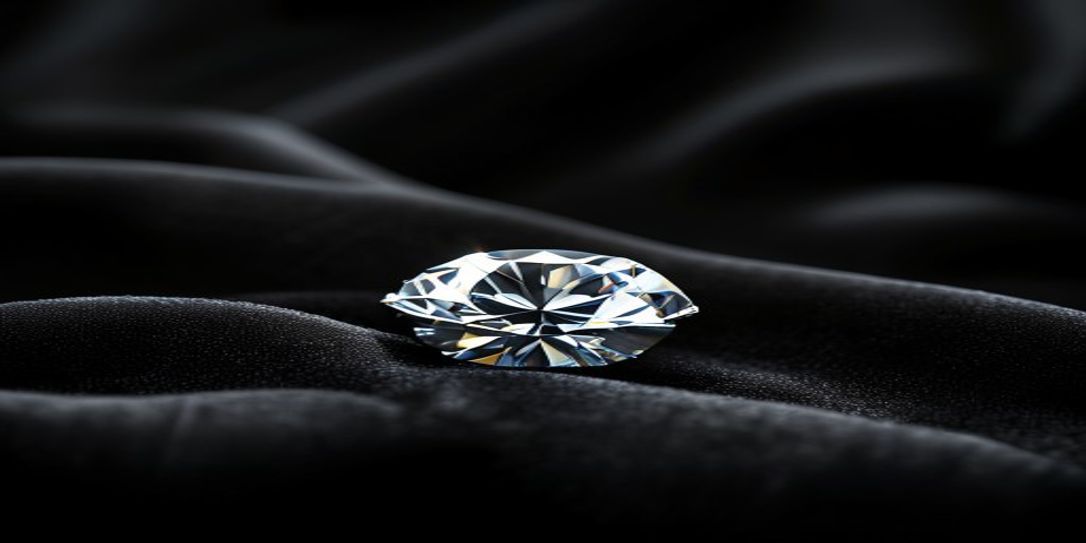
A jewelry case full of sparkling stones makes diamonds look common, and a century of brilliant marketing has muddied what "rare" even means. The truth sits somewhere in between — and understanding it makes you a sharper buyer.
Most people never stop to think about the journey a single diamond takes before it lands in that case. The numbers are genuinely staggering.
The real odds behind one good stone
For roughly every one million diamonds mined, only about one is a quality one-carat gem. To find a two-carat stone of that quality, you're looking at something like five million mined. More than two hundred tons of ore can be moved to recover a single small diamond — and even then, over 80% of what's mined is only fit for industrial use, like the grit on diamond drill bits and cutting tools.

So why do they look so plentiful?
Two reasons. First, the global supply chain is enormous and tightly managed, so the gem-quality stones that do emerge are gathered, sorted, and distributed to fill every jeweler's case. Second, the industry spent the 20th century building demand and controlling release to keep prices — and the perception of scarcity — exactly where they wanted them. Gem-quality diamonds are geologically uncommon; their retail abundance is a triumph of logistics and marketing.
What this means for your wallet
Rarity is real at the mine and managed at the counter — which is why two diamonds of similar size can carry wildly different prices, and why a smart buyer focuses on the four Cs (cut, color, clarity, carat) rather than the romance. Lab-grown diamonds, chemically identical and far cheaper, have also reframed the whole "rarity" conversation. Whatever you choose, buy on the stone's actual merits, not the mystique, and you'll get far more sparkle for your money in a diamond engagement ring.
What I'd skip
Skip paying a premium purely for the "rare and forever" story — price the stone on its grades. Skip assuming bigger is rarer in a way that's worth any price; a smaller, better-cut stone usually outshines a larger dull one. And don't dismiss lab-grown out of hand if value matters to you — it's the same material for a fraction of the cost.

The honest answer
Gem-quality diamonds genuinely are geologically rare — but their price reflects a managed market as much as that rarity. Buy the stone, not the story: judge it on cut, color, clarity and carat, get an independent report, and you'll never overpay for someone else's marketing.
Ready to shop? Compare diamond engagement ring across stores →