Budget Headphones Worth Buying (and the Hype to Ignore)

I've bought a stupid number of headphones, returned about half, and kept the few that punch way above their price. Good sound got cheap; you just have to know where the corners get cut.
The headphone market is a confidence game. There's a real cliff in quality somewhere around $40 to $60, and a much smaller, mushier improvement from there up to $300. Brands want you to believe the curve keeps climbing. It doesn't. Past a certain point you're paying for marketing, a celebrity name, or features you'll never touch. So let's talk about where your money actually buys you better sound, and where it just buys you a logo.
Wired still wins on pure value
If you genuinely just want the best sound per dollar and you don't care about cables, a good pair of wired headphones">wired headphones humiliates wireless at the same price. There's no Bluetooth chip, no battery, no DAC to pay for, so every dollar goes into the drivers. A $50 wired pair can out-resolve a $120 wireless pair. The catch is obvious: a cord, and your phone probably ditched the headphone jack. But for desk listening or anything plugged into a computer, it's the smart-money pick.
What to skip in this category: anything marketed as "audiophile" under $30. Real performance-per-dollar exists, but the sub-$30 "studio reference" stuff is usually a hollow plasticky pair with a bass hump and a fancy box.
Wireless over-ear: the real sweet spot
For most people, a solid pair of wireless over-ear headphones">wireless over-ear headphones in the $80 to $150 range is the actual answer. You get genuinely good sound, multi-day battery, and the comfort of full ear cups for long sessions. The jump from here to the $350 flagships is real but small, you're paying triple for maybe a 15% improvement plus a brand name.

If you commute or work in an open office, this is also where noise cancelling headphones">noise cancelling headphones start being worth it. Cheap ANC used to be a gimmick that added hiss and hollowed out the sound. It's gotten good enough at the mid-tier that a $130 pair will kill plane and train rumble convincingly. Just don't expect the dead-silence of the $400 flagships, and know that ANC always costs a little battery and a little sound character.
Earbuds: where to spend and where to stop
For the gym, the walk, the quick call, you want true wireless earbuds">true wireless earbuds, and this is the category that's improved most dramatically on the low end. A $60 pair today beats the original $160 flagships from a few years ago on every measure: battery, connection stability, sound, even case size. If noise isolation matters to you, mid-priced noise cancelling earbuds">noise cancelling earbuds are now shockingly good at sealing out the world.
The thing that actually makes earbuds sound good is fit, not price. A pricey pair with the wrong tips sounds thin and falls out; a cheap pair with the right tips sounds full and stays put. Buy memory foam ear tips">memory foam ear tips before you buy a more expensive pair of buds. It's a $15 upgrade that fixes the most common complaint people have.
What you're actually paying for at the top
I'm not anti-flagship. I own a pair. But be honest about what the extra $200 buys: marginally better ANC, a more refined app, sometimes spatial-audio party tricks, and resale value from the name. It does not buy you a night-and-day sound upgrade over a good mid-tier set. If money's tight, the mid-tier is not a compromise, it's the smart choice that audio nerds quietly recommend to their families.
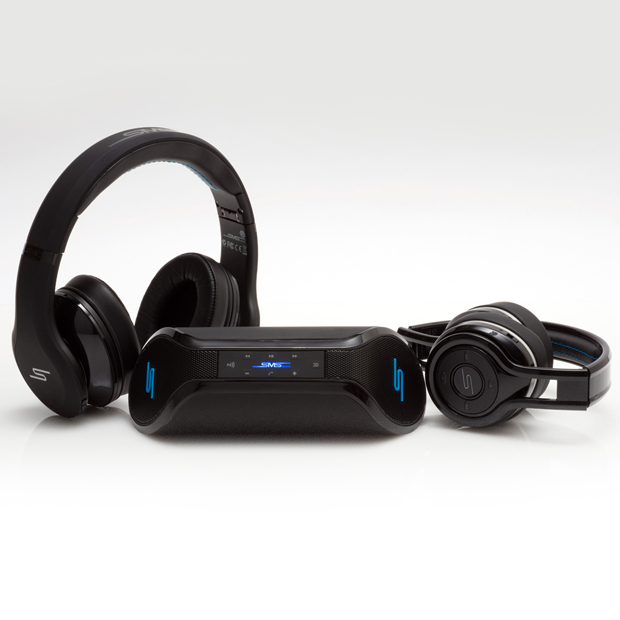
The one category where I'd push you to spend up is durability if you're hard on gear. The $30 buds will crackle and die in a year of sweat and pocket lint. A reputable mid-tier pair with a real warranty lasts. Pay for longevity, not for the logo.
How to not get burned
Two rules. First, buy from somewhere with an easy return window and actually do the test, fit and comfort are personal and no review can tell you whether a clamp force works for your head. Second, ignore the celebrity-branded stuff almost entirely; you're paying a tax for the face on the box. A bluetooth headphones">bluetooth headphones pair from a brand that's known for sound rather than fashion will always be the better deal at the same price. Get the fit right, buy at the mid-tier, and you'll never feel like you missed out.
Ready to shop? Compare wireless over-ear headphones across stores →