How to Keep Learning After School Without Burning Out
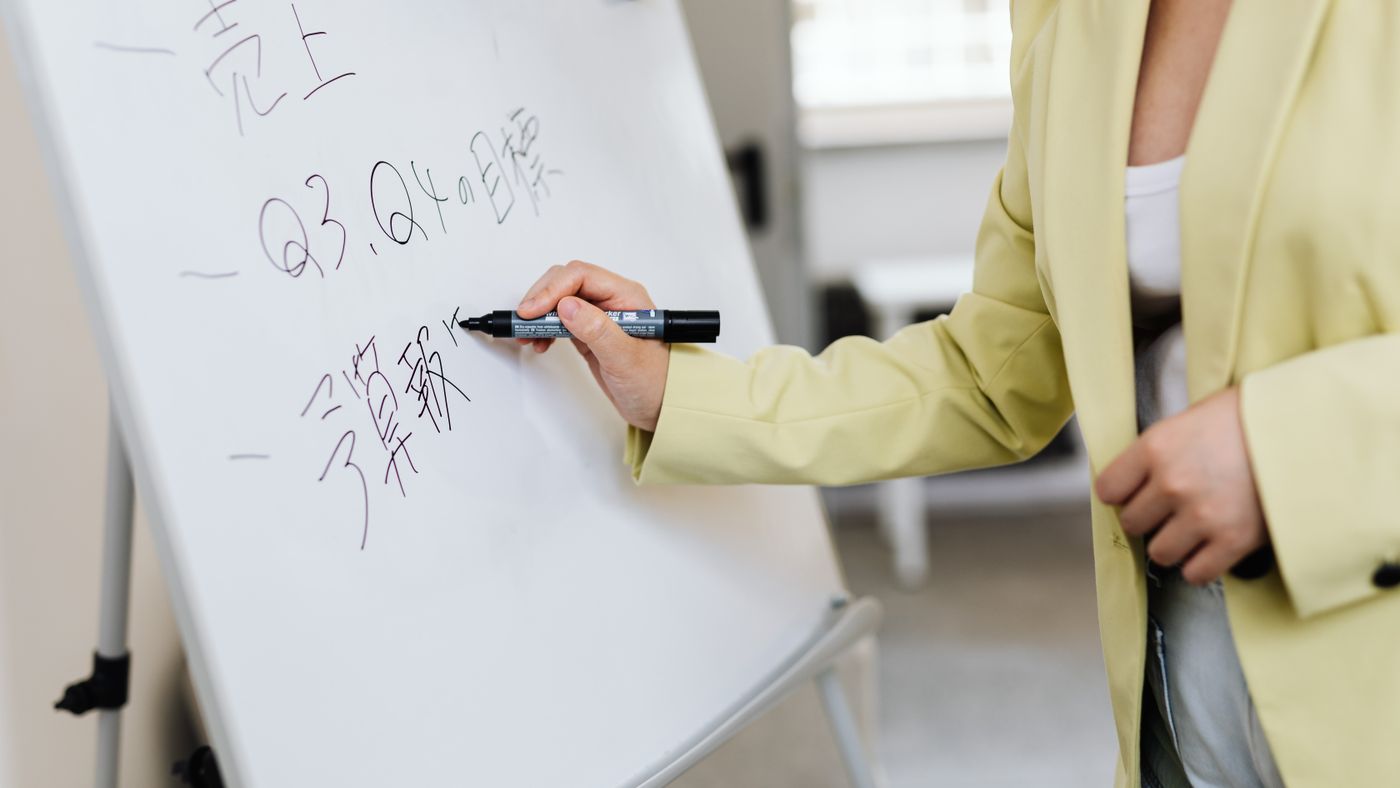
The most interesting people I know all have one thing in common, and it is not talent or luck. It is that they never stopped being students. Decades after their last classroom, they are still picking up skills, still reading outside their lane, still a little curious. I used to think that took some rare hunger I did not have. It does not. It takes a small, sustainable system, and anyone can build one.
Most adults stop learning deliberately the moment school ends, not because they decide to but because nothing forces them to anymore, and the habit quietly lapses. Then ten years pass and the world has moved and they feel stuck. The fix is not to enrol in something enormous and intimidating. It is to make ongoing learning a normal, low-pressure part of your week, small enough that you can keep it up when life gets busy, because it always does.
Learn in public-sized bites, not heroic chunks
The reason most self-directed learning fails is that people plan it like a sprint. They block out a whole Saturday, get through it once, never repeat it, and conclude they are not disciplined. Real learning is a drip, not a flood. Twenty consistent minutes a day will take you further in a year than the occasional ambitious all-day binge.
So I keep my sessions small enough that I can do them even on a bad day. A chapter, a single lesson, one practice problem. The bar is low on purpose, because a low bar gets cleared, and clearing it daily builds the momentum that actually carries you. I keep a stack of self improvement books and reference texts within arm's reach of where I sit, so the friction of starting is close to zero.
Take notes by hand, because the point is the struggle
For years I "learned" by passively consuming, reading and watching and nodding along, and almost none of it stuck. The breakthrough was realising that the effort of processing something is what makes it stay. If learning feels effortless, you are probably not learning much, you are just being entertained by information.

So I take notes by hand now, in my own words, not copied. The slowness of writing forces me to actually understand the thing well enough to compress it, and that compression is where the learning happens. I keep a dedicated hardcover notebook for each subject, and the act of summarising a chapter in three messy sentences does more for retention than reading it twice ever did. Struggle a little, on purpose, and it sticks.
Use it or lose it, so build a way to apply it
Knowledge you never use evaporates. I have forgotten entire courses I "completed" because I never once applied them to anything real. The stuff that stays is the stuff I put to work quickly, because using it forces it out of the fragile short-term shelf and into something durable.
So whenever I learn something, I look for the smallest possible way to use it that week. Learning a language means texting one person in it badly. Learning a coding concept means building one tiny broken thing with it. The application does not have to be impressive, it just has to be real, because real use is what converts information into ability. I keep a project notebook listing tiny use-it-now projects so I am never learning in a vacuum.
Follow your genuine curiosity, not the should-list
There is a version of self-improvement that turns learning into another joyless obligation, a should-list of things you are supposed to know. That version burns out fast, because nothing kills a habit quicker than dread. The learning that lasts is the learning you are actually curious about, even when it looks useless on paper.
So I let myself follow the odd tangent. The seemingly pointless interest often turns out to connect to something useful later, and even when it does not, the joy of it keeps the broader habit of learning alive, which is the real prize. A wide-ranging shelf of self improvement books mixed with things I am simply curious about keeps the whole practice feeling like a pleasure rather than a chore. Protect the curiosity and the discipline takes care of itself.
Track it lightly, then let it compound
You will not feel yourself getting smarter day to day, which is exactly why so many people quit. The progress is invisible up close and only obvious in hindsight, so without some record it is easy to feel like nothing is happening and drift away. A light touch of tracking solves this.
I keep a simple log of what I learned each day, one line, in a lined journal. Not a performance review, just a breadcrumb trail. Flipping back over a few months and seeing how much ground I have quietly covered is the fuel that keeps me going on the days it feels pointless. Learning after school is not about hunger or genius. It is about a small repeatable system, a little real effort, and the patience to let twenty minutes a day compound into something you could never have crammed.
Ready to shop? Compare self improvement books across stores → 📚 Or browse self-help courses & ebooks in Digital Goods →