Choosing Your Wedding Colors: Dresses, Flowers, and More
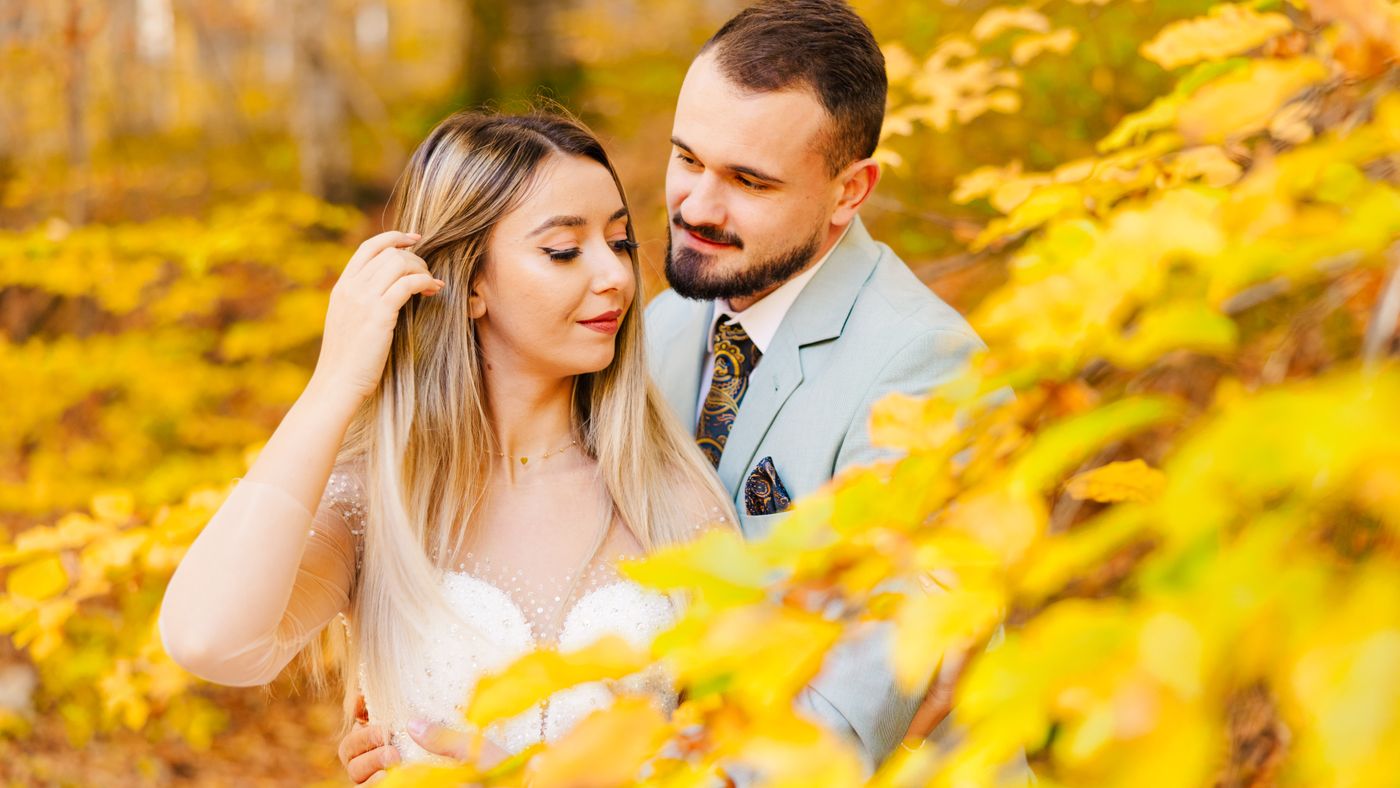
Your wedding color palette is one of the first big creative decisions you'll make, and it's more important than it might seem. Colors tie the entire day together — the bridesmaid dresses, the flowers, the decor, the invitations, the linens, even the cake — into a cohesive, intentional look. Get the palette right and everything feels harmonious and beautifully designed; get it wrong, or skip it, and the day can look thrown-together. Choosing your wedding colors is genuinely fun, and a few guiding principles make it easy. Here's how to pick a palette you'll love in every photo for the rest of your life.
Start with colors you love
The best place to begin is simple: what colors do you and your partner genuinely love? Your wedding should reflect you, so think about the shades that make you happy, the colors in your home, or hues you're naturally drawn to in your wardrobe. Trends come and go, but a palette built around colors you authentically love will still feel right when you look back at the photos years later. Don't choose a color just because it's fashionable this season — choose what speaks to you, and the whole day will feel more personal and true.
Consider your season
The time of year is a natural guide to a palette that feels right. Spring suits soft pastels and fresh greens; summer welcomes bright, vibrant hues or breezy blues; autumn glows with rich burgundy, rust, gold, and deep orange; winter looks stunning in jewel tones, deep reds, or elegant whites and silvers with metallic accents. Choosing colors that harmonize with your season makes the wedding feel connected to its setting and time, and seasonal flowers (which are cheaper and more available) will naturally fit the palette too. Let the season inspire, even if you don't follow it rigidly.
Match the palette to your venue and style
Your colors should work with your venue and the overall feel you want. A grand ballroom suits rich, formal tones; a beach wedding calls for soft, airy colors; a rustic barn loves earthy, natural hues; a garden wedding pairs beautifully with soft botanicals. Consider the existing colors of your venue too — you want your palette to complement the space, not clash with its carpets, walls, or surroundings. Matching colors to both the venue and the formality you're aiming for keeps everything looking intentional and cohesive rather than at odds with the setting.
Build a balanced palette
A well-designed palette usually has a structure: one or two main colors, a secondary color, and one or two accent shades, often with a neutral (white, ivory, gray, or gold) to balance everything. This gives you flexibility and depth without becoming chaotic. A common approach is a dominant color, a complementary partner, a metallic or neutral, and a pop of accent. Looking at a color palette guide or wedding inspiration boards helps you see how colors work together before you commit. Aim for harmony — colors that flatter each other — rather than simply picking favorites that fight.
Weave the colors through every detail
Once you've chosen your palette, carry it consistently through the day for that polished, designed look. The colors should appear in the bridesmaid dresses, the flowers and bouquets, the table linens and centerpieces, the wedding invitations, the ceremony decor, the cake, and even small touches like favors and signage. You don't need every element drenched in color — neutrals and white do a lot of work — but threading your palette through the key elements is what makes a wedding feel cohesive. Consistency in the colors is the secret to a day that looks beautifully put together.
Mind how colors photograph and flatter
Remember that your colors will live forever in your photos, so think about how they look on camera and on people. Some colors flatter a wide range of skin tones (which matters for bridesmaid dresses), while certain very bright or unusual shades can be tricky in photos or under particular lighting. Soft, classic palettes tend to photograph timelessly, while very trendy colors can date. If your bridal party varies in coloring, consider letting them wear different shades within your palette so everyone looks their best. A little thought here pays off every time you look back at the album.
Don't overcomplicate it
Finally, resist the urge to use too many colors. A palette with too many competing hues looks busy and uncoordinated, undermining the cohesive look you're after. Two or three main colors plus a neutral and an accent is plenty — restraint reads as elegant and intentional, while an overloaded rainbow reads as chaotic. When in doubt, simplify. A tight, well-chosen palette consistently looks more sophisticated than an everything-and-anything approach, and it makes every other decision (flowers, decor, attire) easier because you have clear colors to work within. A helpful tip when you're unsure: gather physical color swatches or samples and look at them together in the actual lighting where you'll marry, since colors shift dramatically between a phone screen, daylight, and warm evening reception lighting. Seeing your real palette in real light before you commit prevents the disappointment of dresses or flowers that looked perfect online but clash in person.
What I'd skip
Skip choosing trendy colors you don't actually love — you'll see them in photos forever. Skip a palette that clashes with your venue's existing colors. Skip cramming in too many competing hues; restraint looks elegant. And skip ignoring how colors photograph and flatter your bridal party — it matters in every picture.
The honest answer
Your wedding colors tie the whole day together, so choose them thoughtfully: start with shades you genuinely love, let your season and venue guide you, and build a balanced palette of one or two main colors plus a neutral and an accent. Weave those colors consistently through the dresses, flowers, decor, and invitations, mind how they photograph, and keep the palette tight rather than overloaded. Get it right, and every element of your wedding — and every photo of it — looks beautifully, intentionally cohesive.
Ready to shop? Compare wedding invitations across stores → 📚 Or browse relationship & dating guides in Digital Goods →