


The Grooming Supply Kit I Keep By the Back Door

For years I thought "dog care" meant a full food bowl and a soft bed. My dog taught me otherwise the first time I let her coat go three weeks without a brush and found a mat the size of a golf ball behind her ear.
Food and shelter keep a dog fed and warm. They do nothing for the slow problems that build up on the body itself: the wax in the ears, the tartar on the teeth, the nails curling under, the dead undercoat trapping moisture against the skin. Those are the problems that don't announce themselves until they're expensive. A dog can't tell you its ear itches or its back tooth aches. That stuff is on you. So I built a kit, and I keep it by the back door where I actually see it, because a kit in a closet is a kit you forget.
Here's everything that's earned a spot, the few things I bought and abandoned, and why the survivors made the cut.
Start with the right shampoo
The single best thing I did was stop reaching for my own shower shelf. Human dog shampoo is balanced for human skin, which sits at a different pH than a dog's. Use it often enough and you strip the coat's natural oils, and a dry, flaky dog is a scratching dog. I keep one gentle bottle for routine washes and a second oatmeal-based one for the weeks she gets itchy in pollen season. If your dog's coat tangles easily, a matching dog conditioner makes the comb-out afterward a different experience entirely; it's the difference between gliding a comb through and fighting every leg.
One mistake I made early was bathing too often because she "smelled like dog." A clean dog still smells like a dog. Over-washing just dried her out and made the smell worse, because irritated skin produces more oil. I bathe every few weeks now, no more, and the coat is better for it.

Brushes, combs, and the one tool I underrated
I own more brushes than I'll admit, most of them impulse buys. The honest truth is two earn their keep: a slicker dog brush for the body and a fine dog grooming comb for the legs and feet where mats start. The comb is also my diagnostic tool. If it snags, there's a tangle forming, and a tangle caught today is a thirty-second fix instead of a mat I'm cutting out next week.
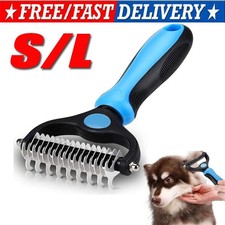
The third tool, the one I bought late and now swear by, is a dematting tool. When a mat has gone past what a comb can save, sawing at it with scissors near the skin is how dogs get nicked, and a nicked dog remembers and starts dreading the brush. The dematting tool slices the mat from the inside out without pulling. Worth every cent, and it bought back her patience for grooming.
Nails, ears, and the parts people skip
Nails get done every couple of weeks with a dog nail clipper. I went with the scissor style because the guillotine type made me nervous, but both work; pick the one your hands trust, because a confident cut is a clean one and a hesitant cut crushes the nail. I keep styptic powder in the same drawer for the rare day I take off a hair too much.
Ears get a weekly look, especially since hers are floppy and trap moisture, which is exactly the warm dark environment yeast loves. No tools needed for the check itself, just a cotton ball dampened with warm water or a little dog ear cleaner for the visible part. Never go digging into the canal. A healthy ear is pale pink and odorless; redness, swelling, or a sour smell is a vet call, not a deeper clean.

Teeth live in this drawer too. A dog toothbrush and dog toothpaste, a quick scrub most nights after dinner. It took the dog about two weeks to stop treating it as an indignity. Now it's just part of the wind-down, and it's the cheapest insurance I know against a sedated dental cleaning down the road.
Don't forget the parasites
The last drawer of the kit is the unglamorous one: a flea and tick treatment and a flea comb. The comb pulls out fleas a treatment missed and gives me an early read on a problem before it becomes an infestation crawling across the couch. Match the treatment to your dog's weight and your region, because what works for a tick-heavy backyard isn't the same as a city apartment, and dosing by guess is how dogs get under- or over-treated.
The trick was never the gear
None of this is expensive once it's stocked, and most of it lasts months. I've spent more on a single salon visit than on the whole kit. The real lesson wasn't which brand of clipper or which shampoo. It was placement. The kit lives by the back door, where I trip over it on the way out to the yard, so the brushing and the nail trims and the ear checks actually happen instead of living on a someday list. Build the kit, then put it somewhere your hands reach it without thinking. That's the part that turns good intentions into a genuinely well-cared-for dog.
Ready to shop? Compare dog grooming comb across stores →


