Grooming Equipment Worth Buying and What Can Wait
Walk into a pet store's grooming aisle and the sheer wall of tools is paralyzing. Brushes in a dozen shapes, three kinds of nail tools, dryers, tables, sprays. The honest question isn't "what's available," it's "what do I actually need?" Here's how I sort it.
Grooming isn't only about the coat, so don't limit your kit to coat tools. A healthy dog needs attention from nose to nails, ears to teeth. I split everything into must-haves and optional, and the optional list is longer than most people expect, which is good news for your wallet.
The must-haves
Start with brushes and combs. They do more than clean; they keep the coat shiny by spreading natural oils and stop tangles before they become mats. A basic dog brush for the body and a steel comb for the legs cover most dogs. When a comb can't save a mat, a dematting tool cuts it loose without yanking the skin, reaching the tricky spots around the ears, tail, and toes where mats love to form.
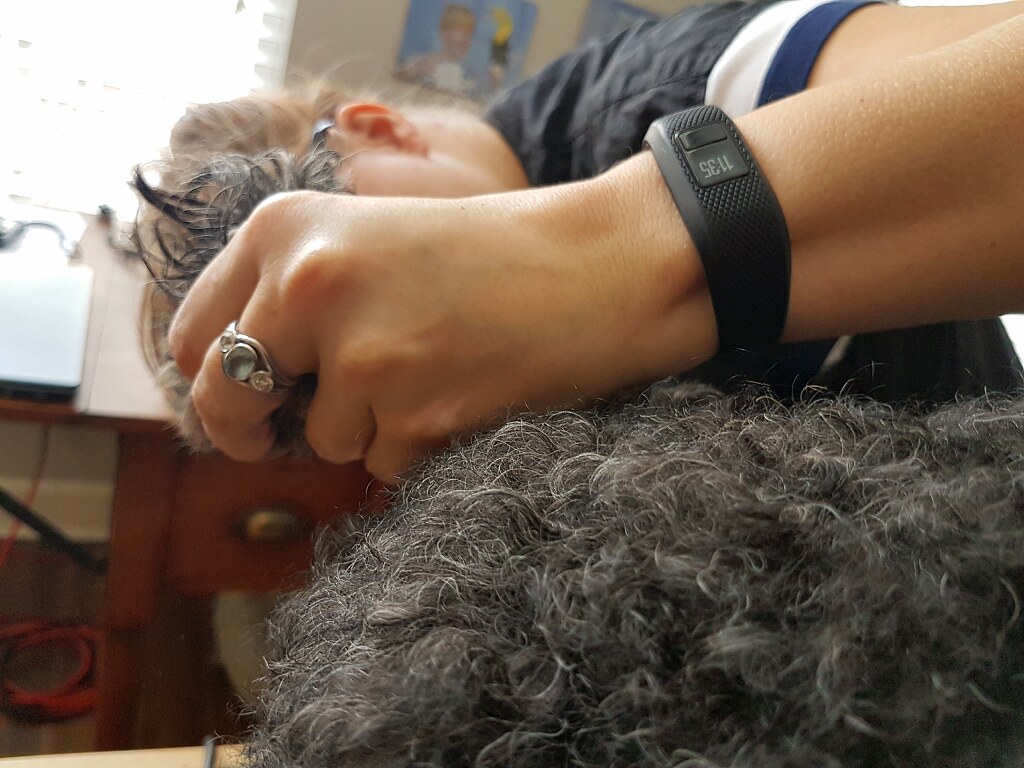
Next, if you've got a long-coated breed, trimmers and a set of dog grooming clippers. Long coat irritates dogs the same way it irritates us; hair falling into the eyes makes a dog hesitant and jumpy, and ungroomed coat grows in unhealthy. Then nail tools: a dog nail clipper in scissor or guillotine style, used every couple of weeks, because overgrown nails genuinely hurt a dog's posture and its ability to run and play. Finally, teeth and ear care: a dog toothbrush, dog toothpaste, a tick remover, and a bottle of dog ear cleaner round out the non-negotiables. None of these is expensive, and together they cover the whole dog.
The optional upgrades
Everything past that depends on your dog, your patience, and your budget. A dog dryer is the first upgrade I'd make, especially for a long or thick coat; drying by towel alone is slow and leaves moisture trapped near the skin, which is where trouble starts. It's not essential, but it genuinely changes the experience for both of you, particularly if you also use a little dog conditioner and want the coat to finish soft.
A grooming table is the second upgrade. If you've ever brushed a small dog while hunched over a kitchen table as it wandered off the edge, you understand why. It saves your back and keeps the dog in one place, which makes the whole session faster and calmer. Beyond those two, the genuinely optional extras include scissor cases and holsters, liquid dispensers, restraints and supports, and grooming gloves and mitts. All nice to have, none of them deal-breakers, and most owners never need them.

Buy in the right order
The trap is buying the full loaded setup on day one, half of which you never touch and the other half wrong for your dog. Cover the must-haves first, get a routine going for a few weeks, and let the upgrades earn their way in once you know what your specific dog and your own habits actually demand. A short-coat dog may never need clippers or a dryer; a doodle may need a dryer within the first month. Match the gear to the dog standing in front of you, not to the most complete-looking box on the store shelf, and you'll spend less while owning exactly what gets used.
Ready to shop? Compare dog grooming clippers across stores →