
Signs of Illness in Dogs: What to Watch For

Dogs can't tell us when they're feeling unwell, so recognizing the signs of illness is one of the most important responsibilities of a dog owner. Catching a health problem early often makes it far easier and cheaper to treat — and sometimes saves a life — while missing the signs can let a problem become serious. The signs of ill health are the most important indicators of your dog's wellbeing, so learning to read them, and knowing when they warrant a vet visit, is essential. Here's what to watch for. (When in doubt, your veterinarian is always the right person to consult — this helps you know when to make that call.)
Changes in appetite and drinking
One of the first signs something's wrong is a change in eating or drinking. A dog that suddenly loses its appetite, refuses food it normally loves, or stops eating for more than a day may be unwell. Likewise, a marked increase or decrease in drinking can signal health issues (excessive thirst, for instance, can indicate several conditions). Since appetite and thirst are basic, observable behaviors, changes in them are often your earliest clue that your dog isn't feeling right. Pay attention to your dog's normal eating and drinking patterns so you'll notice when they shift, and mention significant or prolonged changes to your vet.
Vomiting and diarrhea
Occasional, isolated vomiting — once or twice — may not be a serious sign of ill health, as dogs sometimes vomit for minor reasons. But continued or repeated vomiting is significant and warrants attention. The same applies to diarrhea: a one-off may pass, but persistent diarrhea is a real concern, especially because it can lead to dangerous dehydration. Watch for blood in vomit or stool, which is more serious. Frequent or ongoing digestive upset, particularly combined with lethargy or loss of appetite, is a sign to consult your vet. Don't dismiss persistent vomiting or diarrhea as "something they ate" if it continues.
Nasal discharge and breathing changes
Your dog's nose and breathing offer health clues. Continuous nasal discharge indicates congestion, and if the discharge is thick (rather than clear and watery), it can be a sign of a more serious problem such as pneumonia or infection. Coughing, wheezing, labored or rapid breathing, and excessive panting (unrelated to heat or exercise) are all signs to take seriously, as respiratory problems can be serious. Any difficulty breathing is a reason to see a vet promptly. Monitoring your dog's nose and breathing helps you catch respiratory illness, which can progress quickly if untreated.

Persistent itching, skin problems, and parasites
Continuous itching and scratching is a common sign that something's wrong with your dog's skin. When a dog itches persistently, examine its skin closely by parting the hair — especially on long-haired breeds, where problems hide — and you may discover fleas, ticks, lice, redness, sores, hair loss, or rashes that aren't visible at a glance. Parasites and skin conditions cause real discomfort and can lead to bigger problems if untreated. Regularly checking the skin of an itchy dog, and addressing what you find (with your vet's help for anything beyond simple flea control), keeps minor irritations from becoming serious. Don't ignore persistent scratching as just a habit.
Changes in energy and behavior
A sick dog often acts differently, so watch for changes in energy and behavior. Unusual lethargy, reluctance to move or play, hiding, restlessness, whining, or uncharacteristic aggression (which can signal pain) all suggest your dog may be unwell. A normally lively dog that becomes withdrawn and listless, or a calm dog that becomes agitated, is telling you something. Because you know your dog's normal personality and energy, you're best placed to notice these shifts. Behavioral changes are an important, often early, sign of illness or pain, so trust your sense that "something's not right" and investigate it rather than dismissing it.
Physical signs to check
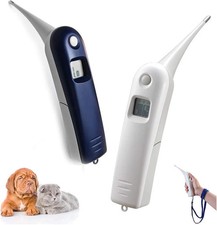
Several physical signs are worth monitoring. Check your dog's eyes (redness, discharge, cloudiness, squinting), ears (odor, discharge, head-shaking suggesting infection), gums (pale, very red, or blue gums are concerning), and weight (unexplained loss or gain). Lumps and bumps, swelling, limping or stiffness, difficulty urinating or defecating, and a fever all warrant attention. A pet thermometer lets you check for fever at home (a dog's normal temperature is higher than a human's). Periodically running your hands over your dog and checking these areas helps you spot problems early — a quick home health-check is a valuable habit.
When to call the vet
Knowing when to seek veterinary care is the practical upshot of recognizing illness signs. Call your vet for: persistent vomiting or diarrhea, loss of appetite lasting more than a day, difficulty breathing, significant lethargy, signs of pain, a new lump, persistent itching or skin problems, changes in urination or drinking, or any symptom that's severe or worsening. Some signs — difficulty breathing, collapse, suspected poisoning, severe bleeding, a distended painful abdomen — are emergencies needing immediate care. When in doubt, it's always better to call your vet and ask. Trusting these signs and acting on them is how you protect your dog's health.

What I'd skip
Skip dismissing persistent vomiting or diarrhea as "something they ate" — ongoing digestive upset needs attention. Skip ignoring thick nasal discharge, which can signal pneumonia. Skip writing off persistent itching as a habit without checking the skin for parasites and problems. And skip waiting on any severe or worsening symptom — call your vet.
The honest answer
Because dogs can't tell us when they're sick, recognizing the signs of illness is a vital owner skill: watch for changes in appetite and drinking, persistent vomiting or diarrhea, nasal discharge and breathing changes, ongoing itching and skin problems, shifts in energy and behavior, and physical signs like fever, lumps, or pale gums. Know your dog's normal so you notice when something changes, do periodic home health-checks, and call your vet for anything persistent, severe, or worsening. Catching illness early is often the difference between an easy fix and a serious problem — so learn the signs and trust them.
Ready to shop? Compare pet thermometer across stores →