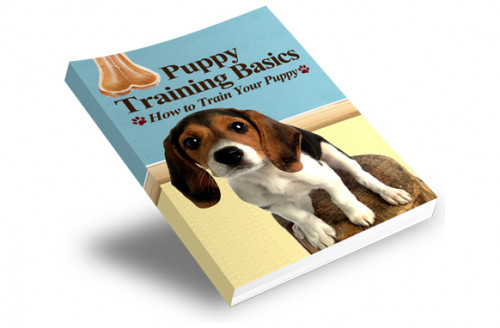

Puppy Training Basics: How to Start a New Puppy Off Right
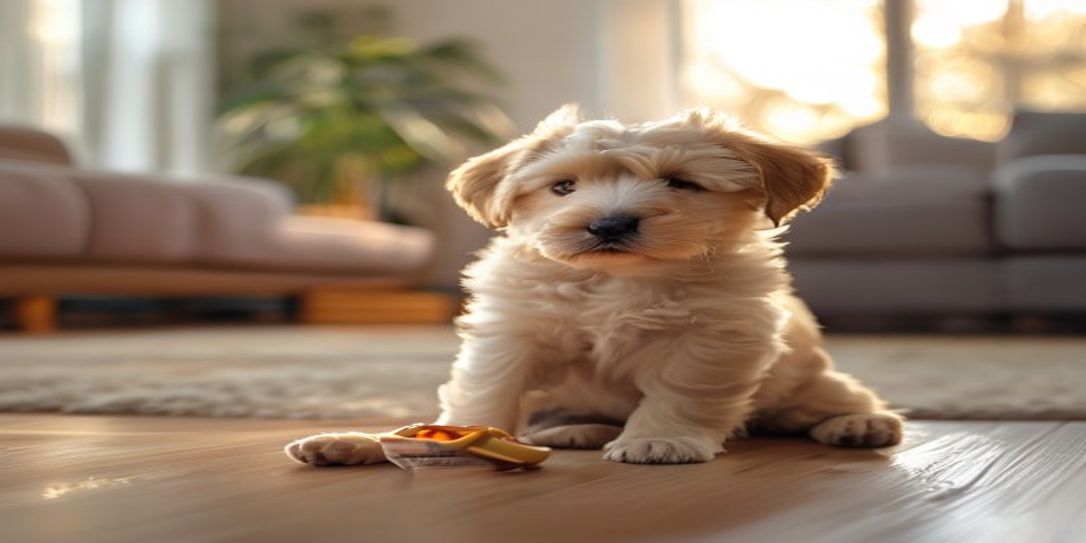
A new puppy turns a house upside down with joy — and with chewed furniture and indoor "accidents" if you don't get ahead of it. The old line holds: a dog is for life, not just for Christmas. Puppies are a lot of work, but here's the encouraging part — a young puppy is a blank sheet of paper, and what you teach in these early weeks sticks for life. Train well now and you save yourself the much harder job of retraining an older dog later.
Here's how to start a puppy off right.
Know your breed's temperament
A puppy's natural tendencies hint at how to train it. Guard breeds — German shepherds, Rottweilers, boxers, bulldogs — tend to be loving and protective. Herding dogs like collies are bright, tireless, and were often farm-reared, so they can be jumpy around traffic, bridges, and loud noises. Hunting breeds — Labradors, pointers, gun dogs — are bundles of energy and comedy. These are generalizations, of course; every dog has its own personality. But knowing the type helps you channel the energy instead of fighting it.
Short sessions, every day
The biggest myth is that training takes hours. It doesn't — a few minutes several times a day beats one long, frustrating session. Puppies have short attention spans, so keep it brief, upbeat, and frequent. A pouch of small training treats and a dog clicker let you mark and reward the instant your puppy gets it right, which is how the lesson actually lands.

Start with obedience and the basics
Begin with the foundation commands: sit, come, heel, stay, fetch. They're simple enough for a young puppy and they make everything else possible. As the dog matures, add the fun ones — paw, roll over, play dead. Crucially, training isn't permanent: spend a few minutes each day reinforcing what they know, or a puppy will quietly forget and you'll be starting over.
House-training and saving your furniture
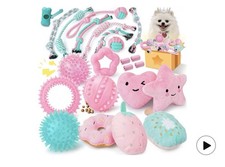
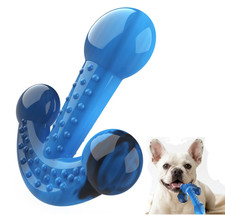
Untrained puppies treat your home as one big toilet and your sofa as a chew toy. Like babies, they need to be taught right from wrong patiently and consistently. A dog crate is the single most effective house-training aid — dogs avoid soiling their den — and a few tough puppy chew toys redirect the chewing instinct away from the table legs.
What I'd skip
Skip marathon training sessions; short and frequent wins. Skip punishment-based methods — reward what you want instead, it works better and builds trust. And skip thinking the job is "done" — a few minutes of daily reinforcement keeps a trained dog trained.

The honest answer
Puppy training is less about talent and more about consistency: understand your breed's temperament, train in short daily bursts with treats and a clicker, nail the basic commands first, and use a crate and chew toys to protect your home. Put the work in now while the sheet is blank, and you'll have a well-mannered dog for the next decade and more.
Ready to shop? Compare puppy chew toys across stores →