How to Trim Your Dog's Nails Safely (Without the Drama)
Of all the grooming jobs, nail trimming is the one owners dread most — and the one dogs most often turn into a wrestling match. The fear is understandable: cut too far and you hit the quick, it bleeds, the dog yelps, and now nail trims are forever associated with pain. But overgrown nails are not a cosmetic afterthought you can safely ignore. They change the angle of a dog's toes, alter its gait, strain the joints, and in bad cases curl round and grow into the pad. Done properly, trimming is a calm two-minute routine. Here's how to get there.
Why nail length matters more than people think
A dog's nail should never touch the ground when it's standing still. When nails get long enough to click on the floor, every step forces the toes into an unnatural position. Over weeks and months that reshapes the foot, puts pressure on the leg joints, and makes walking genuinely uncomfortable. Left long enough, nails can curl into the paw pad — a painful, infection-prone problem that needs a vet. Regular trimming, every two to three weeks for most dogs, keeps everything in its natural, comfortable position.
Understand the quick before you cut
The "quick" is the bundle of blood vessels and nerves inside each nail. On light-coloured nails you can see it as a pink core; the safe zone is the lighter, translucent nail beyond it. On dark nails you can't see it at all, which is why dark-clawed dogs make owners nervous. The rule: clip the light, dead area, and stop before the reddish (or, on dark nails, the darker, slightly moist-looking) zone. Take small slices rather than one big cut, and look at the cut end after each slice — when you see a small dark dot appearing in the centre, you're getting close to the quick and should stop.
A useful side effect of regular trimming: the quick recedes over time. Nails that have been long for a while have a long quick, which is why you can't shorten them all at once. Trim a little every week or two and the quick gradually pulls back, letting you keep the nails properly short.

The right tool, sharp
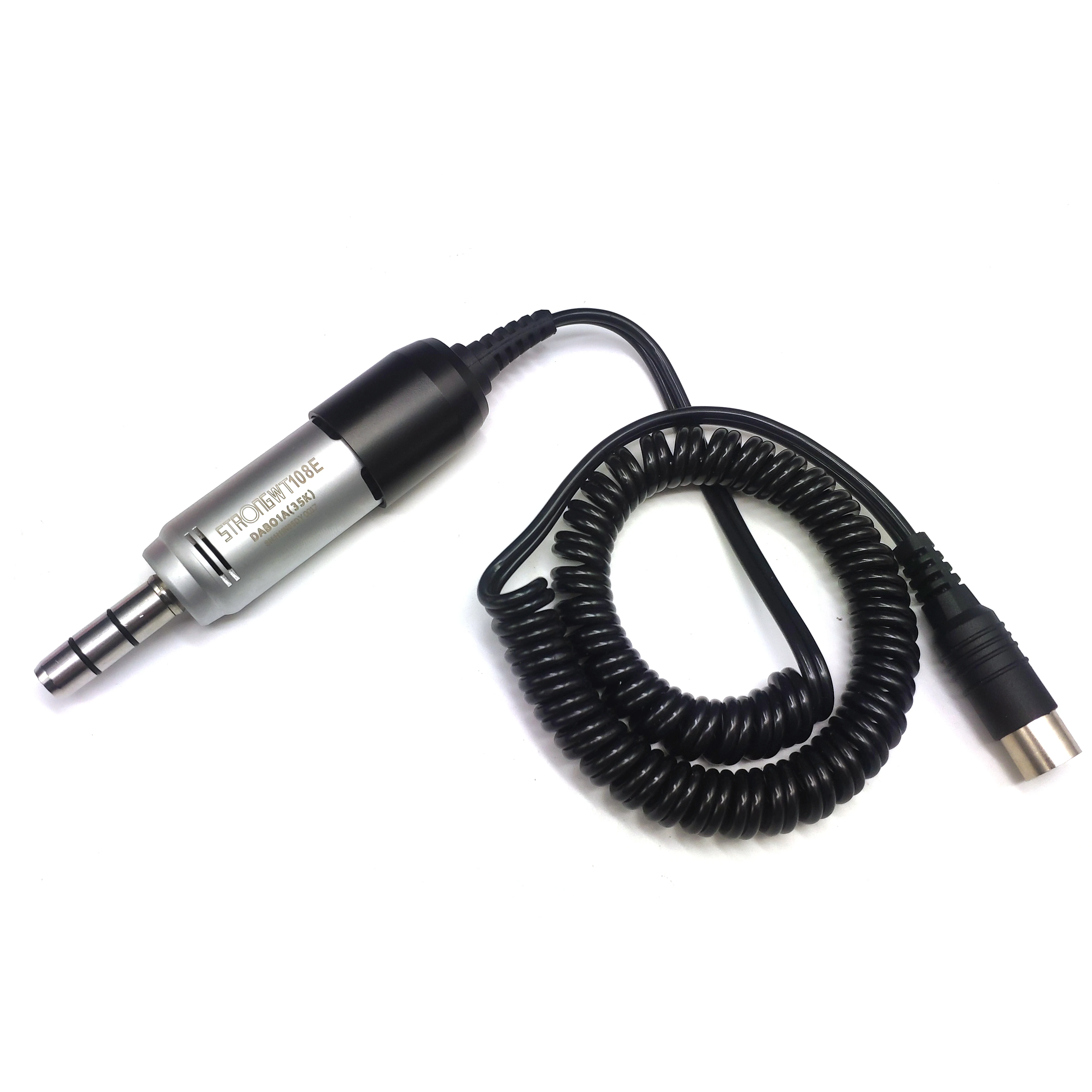
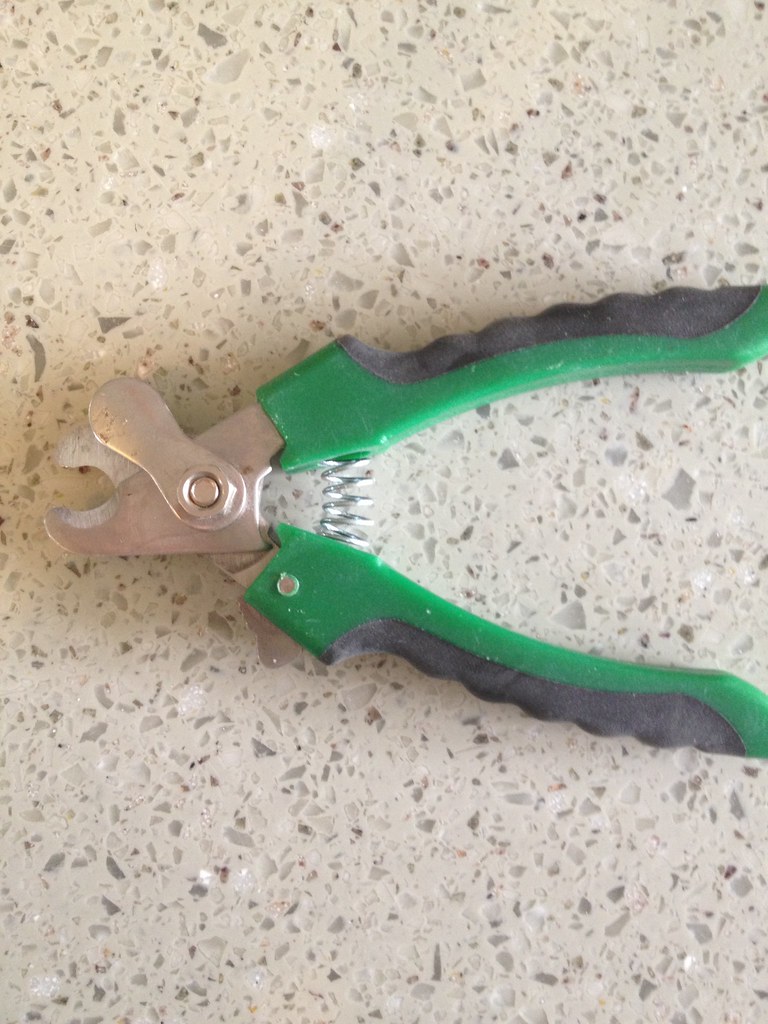
Use a proper dog nail clipper — either a scissor style or a guillotine style — and make sure it's sharp. A blunt clipper crushes and splinters the nail instead of cutting it cleanly, which hurts and frustrates the dog into resisting. Clippers come in sizes; match the tool to your dog's nail thickness. Many owners prefer a dog nail grinder instead, which files the nail down gradually and makes it almost impossible to hit the quick — a good option for anxious dogs or dark nails. Whichever you choose, keep some styptic powder within reach: if you do nick the quick, a dab stops the bleeding in seconds.
Grip, position, and patience
Control is everything. Hold the paw firmly but gently — if your grip is loose, the dog gets the upper hand, pulls away mid-cut, and that's exactly when injuries happen. Many people find it easiest to work with the dog on a raised, non-slip surface, or to have a helper offer a dog lick mat smeared with something tasty to keep the dog happily occupied. Lift each paw, separate the toes, and trim one nail at a time. Don't forget the dewclaws higher up the leg — they don't wear down naturally and can overgrow badly if missed.
Build a positive association
If your dog already hates having its paws touched, don't start with the clippers. Spend a few days just handling the feet and rewarding calm with training treats. Then introduce the clippers without cutting — let the dog sniff them, reward, repeat. When you do start trimming, do one or two nails, reward heavily, and stop. A dog that gets a treat after every nail learns that trims predict good things, and the wrestling match disappears. Short, frequent, positive sessions beat one long fight every time.

What I'd skip
Skip trying to shorten long nails in one session — take a little at a time and let the quick recede. Skip blunt clippers; they crush and hurt. Skip trimming a struggling, panicked dog — stop, reset, and rebuild the positive association. And never skip the dewclaws, the nails most likely to overgrow unnoticed.
The honest answer
Safe nail trimming is mostly about confidence and the right setup: keep nails short enough that they don't touch the floor, learn where the quick is, use a sharp clipper or a grinder, hold the paw with a firm gentle grip, and reward generously so your dog actually tolerates it. Keep styptic powder handy for the occasional nick, trim a little every couple of weeks, and what felt like the scariest grooming job becomes a quick, calm part of the routine.
Ready to shop? Compare dog nail clipper across stores →