How to Give Your Dog Medicine (Pills and Liquids Without the Fight)

Anyone who's tried to medicate a dog knows the routine: you hide the pill in food, the dog eats everything around it and spits the tablet out, perfectly clean, with a look of mild contempt. Dogs are remarkably good at detecting hidden medicine, which makes dosing one of the small ordeals of pet ownership. But there are reliable techniques that work with a dog's instincts instead of against them — and a couple of genuinely important safety points, because giving medicine the wrong way can cause real harm. Here's how to do it calmly and safely.
First rule: don't force it if you don't have to
Wherever possible, avoid turning medication into a wrestling match. A forced, frightened dog gets harder to medicate every time, and stress isn't good for a sick animal. The goal is to make taking medicine as voluntary and low-drama as possible. Most of the time, with the right approach, you can get there.
The hunger trick for pills in food
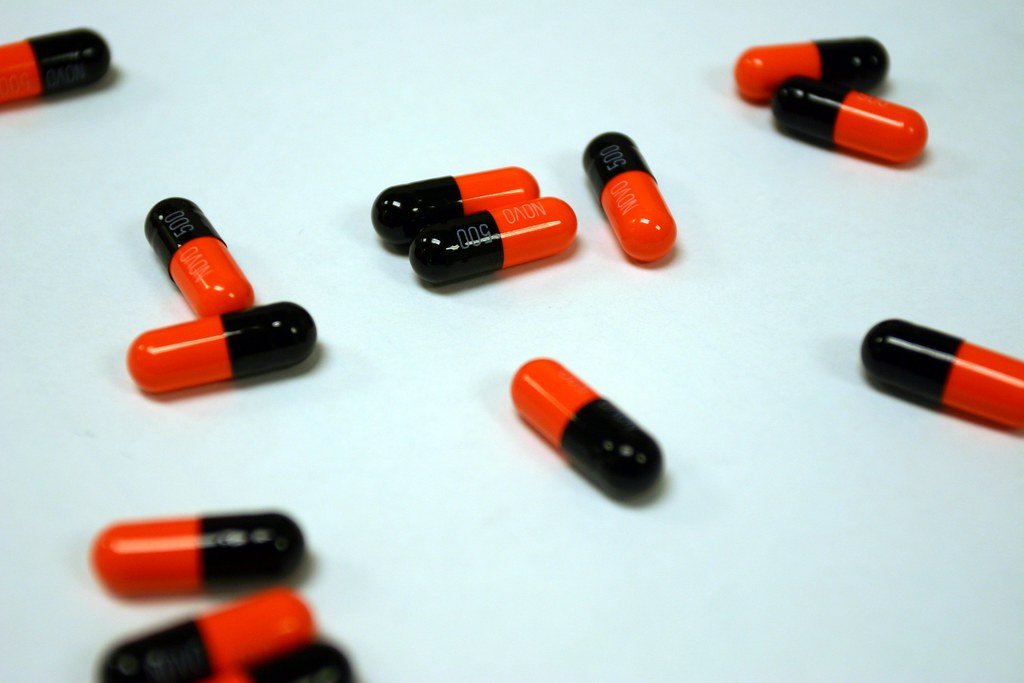
The most reliable method plays on appetite and timing. First, decide with the medicine's instructions whether it should be given with food or on an empty stomach (some drugs need one or the other). If food is fine, here's the trick: delay the dog's usual mealtime so it's genuinely a bit hungry. Then give a small piece of plain, medicine-free food first — the dog eats it happily and lets its guard down. Immediately follow with the same food concealing the pill, and a hungry, unsuspicious dog will usually gulp it down without inspecting it. Soft, smelly foods work best for concealment, and purpose-made pill pockets for dogs (soft treats with a hollow center for the tablet) are designed for exactly this and work brilliantly.
Giving a pill directly
If your dog defeats the food method, you may need to give the tablet directly. Gently restrain the dog, open its mouth, and place the pill behind the fang teeth, near the back of the tongue — far enough back that the dog swallows rather than spits. Then close the mouth and gently stroke the throat or blow lightly on the nose to encourage swallowing. A dog pill dispenser (a "piller" — a plastic plunger that places the tablet at the back of the mouth) lets you do this without putting your fingers near the teeth, which is safer for you and less stressful for the dog.
The critical safety point: make sure the medicine goes down the food pipe, not into the airway. If a pill or liquid is inhaled into the lungs, the dog can develop aspiration pneumonia — you'll see coughing fits, nasal discharge, and panting. This is serious. Never tip a dog's head far back or squirt liquid forcefully, both of which raise the risk of inhalation.
Liquid medicine
For liquids, use a pet medicine syringe or dropper. Do not raise the dog's head up high — keep it roughly level. Slip the syringe into the side of the mouth, into the pouch between the cheek and teeth, and dispense slowly, giving the dog time to swallow. Gently rubbing the throat stimulates swallowing. Going slowly and keeping the head level is what keeps the liquid out of the airway.
Puppies and a few extra tricks
Puppies are easy: simply swab the medicine around the upper lip, and the puppy will lick it off automatically — clean, complete, no fuss. For dogs that take pills, making the animal slightly thirsty and then offering medicine mixed into a little water can also work. Always follow with praise and a dog treat so the dog associates medicine time with a reward, which makes the next dose easier. And always finish the full course your vet prescribed, even once the dog seems better.
Eye, ear, and skin medications
Not all medicine goes in the mouth, and the topical kinds have their own techniques. For eye drops or ointment, approach from behind or the side (not head-on, which makes dogs flinch), gently tilt the head up, hold the lids open, and apply without touching the eye with the dropper tip; a treat straight after keeps it positive. For ear drops, lift the ear flap, squeeze the prescribed number of drops into the canal, then gently massage the base of the ear for a few seconds — you'll often hear a soft squelch, which means it's spreading properly — and expect a head-shake afterward. For skin ointments and spot-on treatments, part the fur and apply directly to the skin (not just the coat), and distract the dog for a minute so it doesn't immediately lick the area; an dog recovery collar helps for medications the dog mustn't lick off. As with oral dosing, calm and quick beats a struggle, and a reward at the end makes the next application easier.

What I'd skip
Skip forcing a panicked dog when a calmer method would work — it makes every future dose harder. Skip tipping the head far back or squirting liquid fast; both risk the medicine going into the lungs. Skip giving food-based methods with drugs that must be taken on an empty stomach (check the label). And don't skip finishing the prescribed course just because symptoms cleared.
The honest answer
Medicating a dog is mostly about working with its instincts: use hunger and a "decoy then dose" trick to hide pills in food or a pill pocket, and if you must give it directly, place the tablet at the back of the tongue or use a piller. For liquids, keep the head level and go slow with a syringe into the cheek pouch. Above all, keep the medicine out of the airway, reward afterward, and finish the course — and dosing becomes a quick, calm routine instead of a daily battle.
Ready to shop? Compare dog pill dispenser across stores →