How to Bathe Your Dog Without the Drama or the Mistakes

Bathing a dog seems like the simplest grooming task there is. Wet, lather, rinse, done. But it's also the one where carelessness causes the most trouble, from ear infections to dried-out, itchy skin, so it deserves more thought than people give it.
I learned a couple of these the hard way, including a week of a head-shaking, ear-infected dog after I let bathwater run straight into the canal. None of it is hard once you know the few things that actually matter, and most of bath-time disaster comes down to skipping one of them.
How often is the first decision
Frequency depends entirely on the breed and coat, and most people get this wrong by over-bathing. A hairy type like a cocker spaniel only needs a full bath every six to eight weeks; wash that coat too often and the skin and fur lose their protective characteristics, which leaves you with a dry, itchy, smellier dog than you started with. The reasonable exception is when a dog has genuinely gotten into something foul, say a digestive upset that left a mess on the coat, in which case a one-off bath to clear the smell obviously makes sense. As a rule, though, less is more, and a brush between baths does more for cleanliness than another round of suds.

Protect the ears, every time
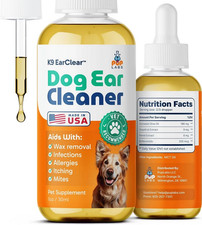
This is the one I will never skip again. Before any water touches the dog, tuck a large cotton ball gently into each ear to block the canal. Water that gets into the ears leads to infections you'll recognize later by constant discharge and persistent head-shaking, and they're miserable to clear up. Keep suds off the face too; wipe the face with a damp cloth or a sponge rather than pouring water over it, and never spray water directly at the face. A little dog ear cleaner on the visible part afterward finishes the job safely.
Shampoo: dog-specific, always
Human soaps and shampoos are formulated for human skin and contain ingredients in proportions that are simply wrong for dogs; many are irritating at the strengths we use them. Reach for a product made for dogs, a gentle dog shampoo, and follow it with a dog conditioner if your dog tangles, since conditioner makes the comb-out afterward far easier and gentler on the skin. Whenever you try a new product, go slow and watch for any sign of redness or irritation before making it your regular bottle.
Set up before you start
Patience and preparation make the whole thing calm. Have everything in one place near a water source before the dog is even wet: dog shampoo, conditioner, a dog towel, a dog grooming comb, and a leash to keep a wriggler steady. Dogs generally love water, sprinklers, rivers, the ocean, so a bath doesn't have to be a battle if you've set the scene right. Even in a tub, gather every supply first so you're never leaving a soapy dog standing alone while you go hunting for the towel; that's exactly when they bolt and shake water across the bathroom.

Keep it pleasant for both of you
Rinse thoroughly with lukewarm water, getting all the shampoo out so it doesn't dry and itch later, then dry with a towel or a low-heat dog dryer and follow up with the comb while the coat is still slightly damp. The goal is for bath time to be a convenient, even enjoyable activity for both of you, not a dreaded burden that the dog learns to hide from. Get the setup and the few safety steps right, reward calm behavior, and it stops being drama and quietly becomes routine.
Ready to shop? Compare dog ear cleaner across stores →