How to Actually Choose a Dog Food (What the Bag Won't Tell You)

I've stood in the pet aisle longer than I'd like to admit, holding two bags that cost wildly different amounts and made nearly identical promises. After enough of that, plus a vet who finally gave me the straight version, I stopped shopping by the front of the bag. Here's how I actually choose now — and the stuff I've learned to ignore.
Read the back, not the front
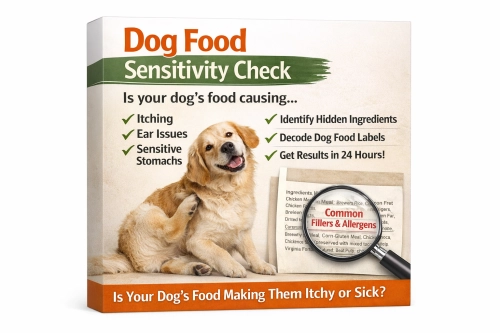
The front of the bag is an ad. "Premium," "holistic," "natural," "ancestral" — none of those words are regulated in a way that means anything. Flip it over. The ingredient list is ordered by weight before cooking, so a named meat (chicken, lamb, salmon) up top is a good sign. What I want to see is a real protein source first and a clear named fat source, not a parade of vague terms.
The line that matters most is the AAFCO statement, usually in small print near the feeding guide. It tells you whether the food is "complete and balanced" and for which life stage, and whether that was proven by feeding trials or just formulated to hit numbers on paper. Feeding trials are the higher bar. If a dog food doesn't carry that statement at all, I put it back — it might be a topper or a treat masquerading as a meal.
Match the food to your actual dog
Life stage isn't marketing fluff here; it's the one variable I won't compromise on. A growing puppy needs a puppy food with the right calcium-to-phosphorus balance — get this wrong on a large-breed pup and you risk real joint problems. An older dog that's slowing down does better on a senior dog food with adjusted calories. And if your dog is carrying extra weight (most dogs are, mine included for an embarrassing year), a weight management dog food plus honest portioning beats any miracle claim.

Size matters too, but less than the bags imply. Small-breed kibble is genuinely smaller so toy dogs can chew it; large-breed formulas tweak calcium and joint support. Beyond that, "breed-specific" foods are mostly a way to charge more. If your dog has a sensitive stomach or itchy skin, a limited-ingredient grain free dog food is worth a trial — but talk to your vet first, because grain-free has been linked to heart issues in some dogs and isn't the automatic upgrade it's marketed as.
Do the price-per-day math
The sticker price on the bag is useless on its own. What I care about is cost per day, which depends on calorie density and how much my dog actually needs to eat. A pricier bag with more calories per cup can work out cheaper per day than a cheap, filler-heavy food you have to serve in huge portions. I take the bag price, divide by the number of days it lasts at my dog's real portion, and compare that. It reorders the shelf fast.
Storage affects cost too. Buy the size you'll finish in about a month — fats go rancid, and a half-eaten 40-pound bag in a humid garage is wasted money. I decant into an airtight dog food storage container with a scoop so portions stay honest and the food stays fresh.
Wet, dry, or both
Dry food is convenient, cheaper per calorie, and easier to store. Wet food has more moisture (good for dogs that don't drink enough), is more palatable, and is easier on old teeth. A scoop of wet dog food mixed into kibble is a reasonable middle path, and it's how I got a fussy senior eating again. Fresh and freshly-cooked subscription foods are genuinely good but expensive; treat them as a premium choice, not a necessity. Whatever you pick, switch slowly over a week or you'll be cleaning the floor.

What I'd skip
Skip choosing by buzzwords on the front of the bag — "human-grade" and "ancestral diet" aren't regulated promises. Skip grain-free as a default; it's right for some dogs and a marketing tax for most. Skip "breed-specific" formulas unless your vet has a reason. Skip giant bags you can't finish in a month. And skip piling on extras — a dog supplements regimen only makes sense when your vet names a specific need, because a complete-and-balanced food already covers a healthy dog.
The honest version
Choosing dog food isn't about finding the one perfect brand the internet swears by. It's a few unglamorous steps: read the back panel, confirm the AAFCO statement, match the life stage, do the cost-per-day math, and transition slowly. Get those right and almost any reputable food will serve your dog well. The bag's front is theater — your dog's energy, coat, and stool over the next few weeks are the real review.
Ready to shop? Compare weight management dog food across stores → 🏷️ Shop direct from our partner Nextrition Pet →