

Heartworm Prevention for Dogs: Why It Matters and How to Stay Ahead

Heartworm is one of those dog health threats that's frightening to treat and almost trivial to prevent — which is exactly why prevention matters so much. The disease is transmitted by mosquitoes: one bite from an infected mosquito can pass on larvae that mature into worms living in the dog's heart and lungs. Treating an established infection is expensive, lengthy, and hard on the dog. Preventing it is a chewable tablet and a few sensible habits. This is a vet-led area from start to finish, but understanding how it works helps you stay ahead of it.
How prevention actually works
Heartworm preventives don't repel mosquitoes — they work inside the dog, killing the larval stages before they can grow into adult worms. That's why consistency is everything: the medication clears the larvae that were transmitted in the previous interval, so a missed dose leaves a gap where larvae can mature past the point the preventive can stop them. Most preventives are given monthly, and many come as soft, beef-flavored dog chewable tablets that dogs take happily as a treat. Several well-known prescription products exist; your vet will choose the right one for your dog and region.
Year-round, or seasonal?
Whether your dog needs heartworm prevention all year or only part of it depends entirely on where you live. In colder climates, mosquitoes go dormant for much of the year, so a seasonal approach may be appropriate. In warmer regions, mosquitoes are active year-round and so is the risk — prevention shouldn't lapse. Don't guess at this: your vet knows the local mosquito season and the regional prevalence of heartworm, and will recommend a schedule that fits. When in doubt, year-round prevention is the safe default in most places.
Testing is part of the plan
Prevention and testing go together. Puppies are typically started on prevention young and tested for heartworm around six months of age. Adult dogs need periodic heartworm tests — and crucially, if you ever miss doses for a stretch, your dog should be tested before simply resuming, because giving a preventive to a dog that already has an established infection can be dangerous. The test is a quick blood draw your vet runs in the clinic. If you've lapsed for a few months, call your vet rather than just restarting the tablets on your own.

Reduce mosquito exposure too
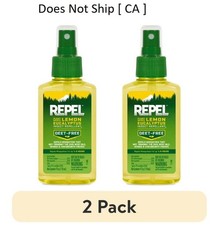
Medication is the backbone, but cutting mosquito contact lowers the risk further and helps with comfort generally. Eliminate standing water around your home — buckets, clogged gutters, plant saucers, anything that collects rain — because that's where mosquitoes breed. Keep the bushes and undergrowth near your dog's shelter trimmed back. Provide a well-screened, mosquito-resistant dog shelter or kennel for dogs that spend time outdoors, and consider a pet-safe mosquito repellent (dog-formulated only — never human DEET products) during peak season. These steps don't replace the preventive, but they stack on top of it.
Watch for adverse reactions
As with any medication, watch your dog after starting a new preventive, especially the first few doses. Adverse reactions are uncommon but possible, and anything unusual — vomiting, lethargy, lack of coordination — should be reported to your vet, who can also file an adverse-event report. This is a small caution, not a reason to skip prevention; the risk of the disease vastly outweighs the small risk of the medication.
What I'd skip
Skip the temptation to "save money" by skipping doses — the gap is exactly where infection slips through, and treatment costs far more than prevention. Skip restarting preventives after a long lapse without testing first; it can be dangerous. Skip human mosquito repellents on dogs entirely. And don't skip the annual or periodic heartworm test your vet recommends — prevention and testing work as a pair.

The honest answer
Heartworm is a serious, mosquito-borne disease that's hard to treat and easy to prevent. Give your dog a vet-prescribed monthly preventive on a consistent schedule, follow the testing your vet recommends, cut down standing water and mosquito exposure around your home, and never resume after a long lapse without a test. Do that and you protect your dog from one of the few canine diseases that's almost completely avoidable — for the price of a monthly chew.
Ready to shop? Compare pet-safe mosquito repellent across stores →