

Feeding a Dog Through Its Life Stages: What Changes

I fed my dog the same food, the same way, for the first two years of his life and figured that was that. Then a friend asked what I planned to switch to as he aged, and I realized I'd never considered that a dog's diet is supposed to change with its life.
This is an owner's overview, not vet nutrition advice, and the specifics for your dog should come from your vet. But understanding how needs shift across a dog's life stages helped me stop treating "dog food" as one fixed thing, and start feeding the dog in front of me at the age he actually was.
Puppies are tiny engines
Puppies are growing fast and burning energy constantly, and their food has to keep up. They need more protein, more fat, and more overall fuel relative to their size than an adult dog does, because they're building a body and running on overdrive while they do it. They also eat more often, smaller meals spread through the day rather than one or two big ones, because little stomachs and high metabolisms don't do well waiting.
The earliest stage is milk-based, and as a pup weans, the diet shifts toward a proper growth food. The takeaway for me was simple: a puppy fed like an adult is underfed for what its body is doing. Quality puppy food formulated for growth exists for exactly this reason, and the right puppy supplies make those frequent little meals easier to manage.
Adults need balance and consistency
Once a dog reaches maturity, the picture calms down. The frantic growth is over, so the calorie and protein demands settle into maintenance mode. This is the long, stable middle of a dog's eating life, where the job is a balanced, complete diet that keeps weight steady and energy even.

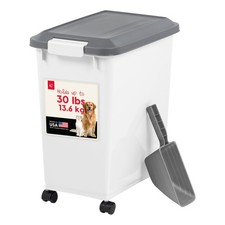
The main trap in adulthood is overfeeding. An adult dog that's no longer growing but still eating like a puppy gets heavy, and that brings its own problems. Portioning to the dog's actual activity level matters here. A working, active dog and a couch companion of the same size do not need the same amount. A good dog food plus honest portion control is most of the battle, and a measuring scoop or dog food container helps me keep it consistent.
Seniors need less, but better
This is the stage I'd given zero thought to. Older dogs generally move less and burn less, so they need fewer calories, otherwise the weight creeps on. But the part that surprised me is the protein angle: seniors often do best with protein that's high quality and easy to digest rather than simply abundant. The thinking is about not overloading an aging body's systems, particularly as kidneys age.
Plenty of fresh water becomes even more important for older dogs, and digestibility matters more than volume. This is also where some owners add joint support and other senior dog food tailored to age. I keep a fresh bowl from a dog water fountain available since hydration is part of the senior equation. As always, what your specific senior needs is a vet conversation, especially if there are health issues in play.
Pregnant and nursing dogs are a special case
If you've got a pregnant or nursing dog, the rules shift again. A pregnant dog often shouldn't be fed to a full, stuffed stomach in one go, since that can be uncomfortable, but both pregnant and nursing dogs have elevated nutritional demands because they're feeding more than themselves. Balanced nutrition with proper vitamins and minerals matters a great deal here.

Calcium gets special attention during nursing, because the mother is supplying her puppies and a shortfall can affect the development of those pups' bones. This is firmly a work-with-your-vet stage rather than a wing-it stage, but the broad point is that feeding a mother dog is its own chapter with its own needs.
Switching foods between stages
One practical lesson: don't slam a dog from one life-stage food to the next overnight. Transitioning gradually, mixing the new food into the old over a week or so, saved my dog's stomach and my carpet when I moved him to an adult formula. The same gentle approach applies at every stage change. A few quality dog treats during the transition keep him cheerful about the new food while his gut adjusts.
The simple version
Puppies need energy-dense food and frequent meals because they're growing. Adults need balanced maintenance and portion discipline because they're not. Seniors need fewer calories and gentler, digestible nutrition because their bodies are slowing. Pregnant and nursing dogs need extra, well-rounded support including attention to calcium. Match the food to the stage, transition slowly, and check the specifics with your vet. Your dog isn't the same eater at eight weeks, eight years, and beyond, so the bowl shouldn't be either.
Ready to shop? Compare dog food container across stores → 🏷️ Shop direct from our partner Nextrition Pet →