Clipping Your Dog's Coat the Right Way (It's an Art, Not Just a Chore)

Most owners think of clipping as a purely mechanical job: switch on the clippers, run them over the dog, done. The ones who've done it for years know better — clipping a coat well is closer to an art. The angle, the direction, the length you leave, the time of year, the health of the dog underneath: all of it matters. A bad clip isn't just an ugly haircut. It can trap dust against the skin and trigger skin disease, expose a dog to the cold, or nick the skin and draw blood. Here's how to clip properly, with the dog's comfort and health leading every decision.
Clip to the breed, not to a default
There is no universal "dog clip." A coat should be clipped according to that breed's characteristics — what's right for a Poodle is wrong for a Schnauzer, and disastrous for a double-coated breed like a Husky or Golden Retriever, whose undercoat actually regulates temperature and should never be shaved. Clipping the wrong coat the wrong way doesn't just look bad; if the coat isn't maintained properly it accumulates dust and debris near the skin, and the dog can start showing signs of skin trouble. Learn how your specific breed's coat is meant to be groomed before the clippers come out, and when in doubt, ask a professional groomer to show you once.
The hygiene and health bonus
Done right, clipping does more than tidy a dog up. Removing excess coat helps shed a good part of the parasite burden — fleas and their dirt go with the hair — and a freshly clipped coat makes it far easier to spot what kind of parasite problem a dog might be carrying in the first place. That's one reason regular, breed-appropriate clipping is part of keeping a dog genuinely healthy, not just presentable. If you'd rather not tackle it yourself, plenty of pet grooming parlours will clip systematically and well — but if you do it at home, a flea comb and a course of dog flea treatment alongside the clip closes the loop on parasites.
Mind the season — frostbite is real
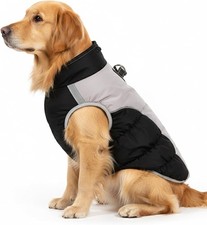
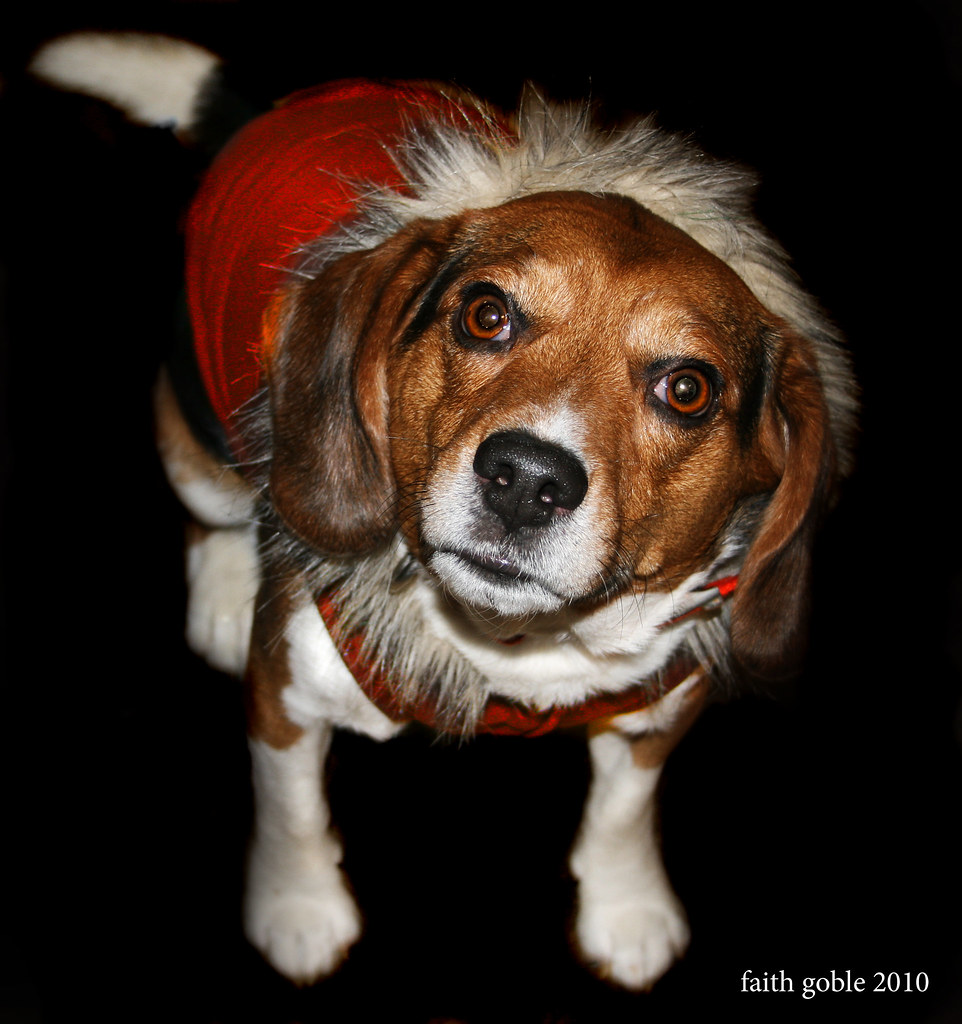
One of the most overlooked rules: avoid close clipping in cold regions and seasons. A coat shaved too short in winter strips away the dog's insulation and leaves it vulnerable to environmental stress — in genuinely cold climates, even frostbite. The shorter you go, the less protection your dog has against the weather. Save the close clips for warm months, and in winter leave more length, or fit your dog with a dog winter coat on cold walks if it needs a trim regardless. The goal is comfort across the actual conditions your dog lives in, not a single fixed length year-round.
Sharp tools, careful hands
Always use a sharp clipper. Blunt blades don't cut cleanly — they drag, snag, and force you to go over the same patch repeatedly, which irritates the skin and tries the dog's patience. Invest in proper dog grooming clippers with replaceable or sharpenable blades, and keep a set of clipper blade guards so you can dial in a safe, consistent length. Avoid clipping too close to the skin anywhere: cutting into the underlying tissue causes injury and bleeding. Modern, well-maintained equipment makes the whole job faster, cleaner, and far safer than cheap blunt tools ever will.
Only clip a healthy dog
Skip clipping altogether when your dog isn't well. A sick or stressed animal shouldn't be put through a grooming session — it's harder on them, harder on you, and a struggling dog is far more likely to get nicked. Wait until your dog is back to full health, then resume the routine. And if you spot anything unusual on the skin while clipping — lumps, sores, persistent redness — pause and have a vet take a look before going on.
A calm setup helps
As with nail trimming, control and calm make all the difference. Work on a raised, non-slip surface so you're not bending and the dog can't easily bolt, keep sessions reasonably short, and reward cooperation with training treats. A dog grooming table with a steadying loop is what the professionals use for exactly this reason — it keeps the dog secure and at a comfortable working height so your hands stay precise.

What I'd skip
Skip shaving double-coated breeds — their coat regulates temperature and won't grow back the same. Skip close clips in cold weather; insulation matters. Skip blunt clippers and skip clipping a dog that's unwell. And skip rushing — clipping is the grooming job where haste most often draws blood.
The honest answer
Clipping a dog's coat is a real skill, not a mechanical chore. Clip to your breed's specific needs, never shave a double coat, leave more length in winter to protect against the cold, use sharp tools and avoid going too close to the skin, and only ever clip a healthy, settled dog. Get those right and clipping becomes one of the most useful things you can do for your dog — cleaner, cooler in summer, freer of parasites, and genuinely more comfortable.
Ready to shop? Compare dog winter coat across stores →