
What to Pack for a Ski Vacation (and How to Get It All There)
Packing for a ski vacation is rarely about not knowing what you need. It is about the absurd logistics of getting it all there. Skis do not fold into a carry-on, ski suits eat half a suitcase, and if you are flying, the whole thing becomes a puzzle of oversize fees and bulging zippers. The good news is that every part of this has a workaround.
I have shown up at a mountain with too little and frozen, and shown up with too much and paid a fortune in baggage. Somewhere in between is a system, and once you have it, packing stops being the stressful part of the trip.
Decide: rent or bring the big stuff
Start by finding out what is available at your destination. Is there a rental shop, and what do skis, boots, and poles actually cost per day? If the rates are reasonable and you do not mind skiing on rented gear, this is the single easiest packing decision you can make. Renting the bulky hardware means you fly with almost nothing and skip the oversize baggage headache entirely.
If you would rather not ski on rentals, there is a clever middle path. Check whether there are ski shops near the resort, get prices on skis, poles, and boots, and ask whether they buy back used equipment, or whether someone nearby does. Do the math: if buying gear there and selling it back at the end costs only a little more than renting, you get your own equipment for nearly the price of a rental, with none of the airline hassle.
The bulky clothing problem
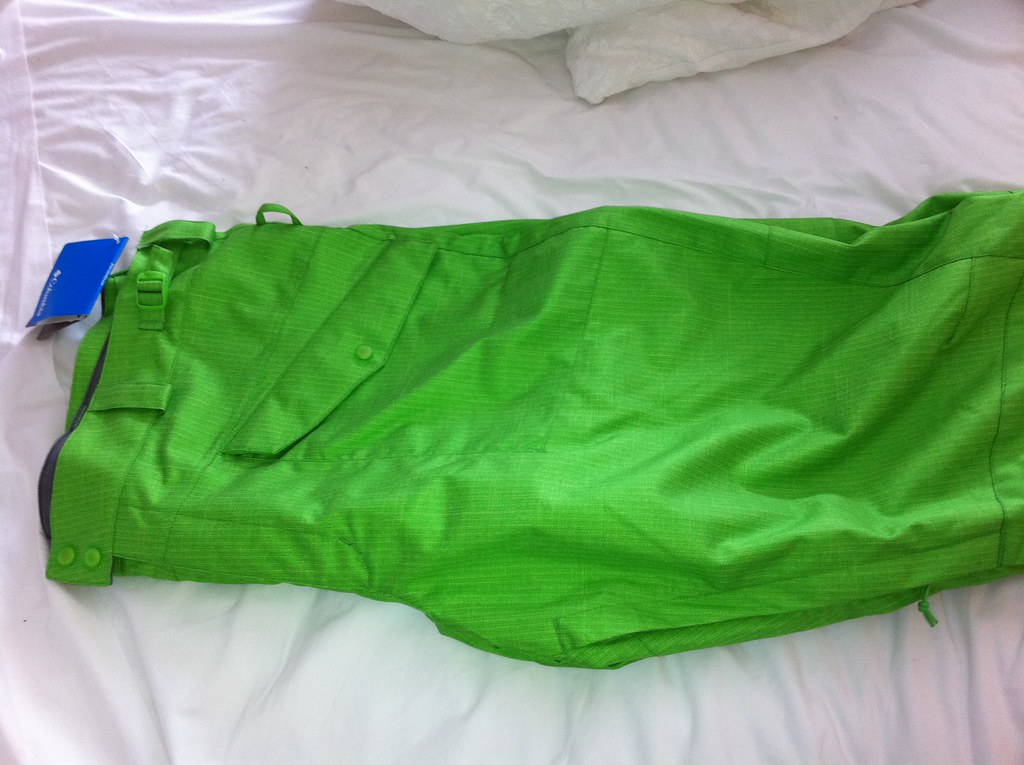
Ski suits, jackets, and heavy sweaters are the real suitcase killers. They are bulky, they are awkward, and they crowd out everything else you need to bring. Try packing for a two-week ski trip and you quickly discover that one suitcase simply will not hold it all once the winter jacket and the ski pants go in.

There is a smarter way to handle it than wrestling with zippers and paying for a second checked bag.
Ship your gear ahead of you
This is the trick that changed ski travel for me. Call the lodge or resort where you are staying, tell them you need to ship a package to yourself ahead of arrival, and ask if they will hold it at the front desk. In most cases, they happily will. Then box up your bulky items, the ski suits, the jacket, the heavy layers, and ship the box to yourself in care of the resort.
Shipping can be overnight, two-day, or three-day depending on the distance. Depending on weight, you will usually pay well under fifty dollars to ship a box within the continental United States, which is a lot less than airlines charge for oversize and extra baggage. Your gear is waiting when you arrive, and you travel light.
There is a quiet second benefit here too: you skip the airport gauntlet. No wrestling a bulging duffel through security, no praying your checked bag makes the connection, no standing at the oversize-baggage carousel while everyone else has already left. Ship it three or four days ahead, confirm the resort received it, and you walk off the plane with nothing but a carry-on. On the way home, do the same in reverse: box up the bulky stuff and ship it back rather than dragging it through another airport.

The things you should always carry on
Some items are too important to ship or check. Keep your ski gloves, a base layer, and your ski goggles in your carry-on, because a delayed bag should never cost you your first day on the snow. The same goes for a ski helmet if you are bringing your own, a warm neck warmer, and a couple pairs of wool socks. If you are buying gear at the destination, you can pick up beginner skis there and skip carrying them entirely.
The verdict
The packing list for a ski trip is the easy part. The logistics are the real challenge, and they all have answers: rent or buy the hardware at the destination, ship your bulky clothing ahead to the resort, and carry on only the small essentials you cannot afford to lose. Sort those three things and you arrive warm, equipped, and without the baggage-claim dread that ruins the first hour of too many ski vacations.
Ready to shop? Compare ski pants across stores →