Saltwater Fishing Tips: Boats, Tides, and Reading Spots
Saltwater fishing humbles people who are good at freshwater. The fish are bigger, the water is moving in ways a lake never does, and patience matters more than almost anything in your tackle bag.
The core challenge is the same whether you are on a river or the open sea: wait for the fish, and do your best to land it when it shows. But the salt adds variables, tide, current, depth, and the sheer size of the water, that you have to plan around instead of fight. Get a few fundamentals right and the ocean stops feeling overwhelming.
First things first: the licence and the boat
Before anything else, get a fishing licence. It is a legal requirement and the rules vary from state to state, so check the regulations for wherever you are fishing rather than assuming. Skipping it is not worth the fine or the hassle.
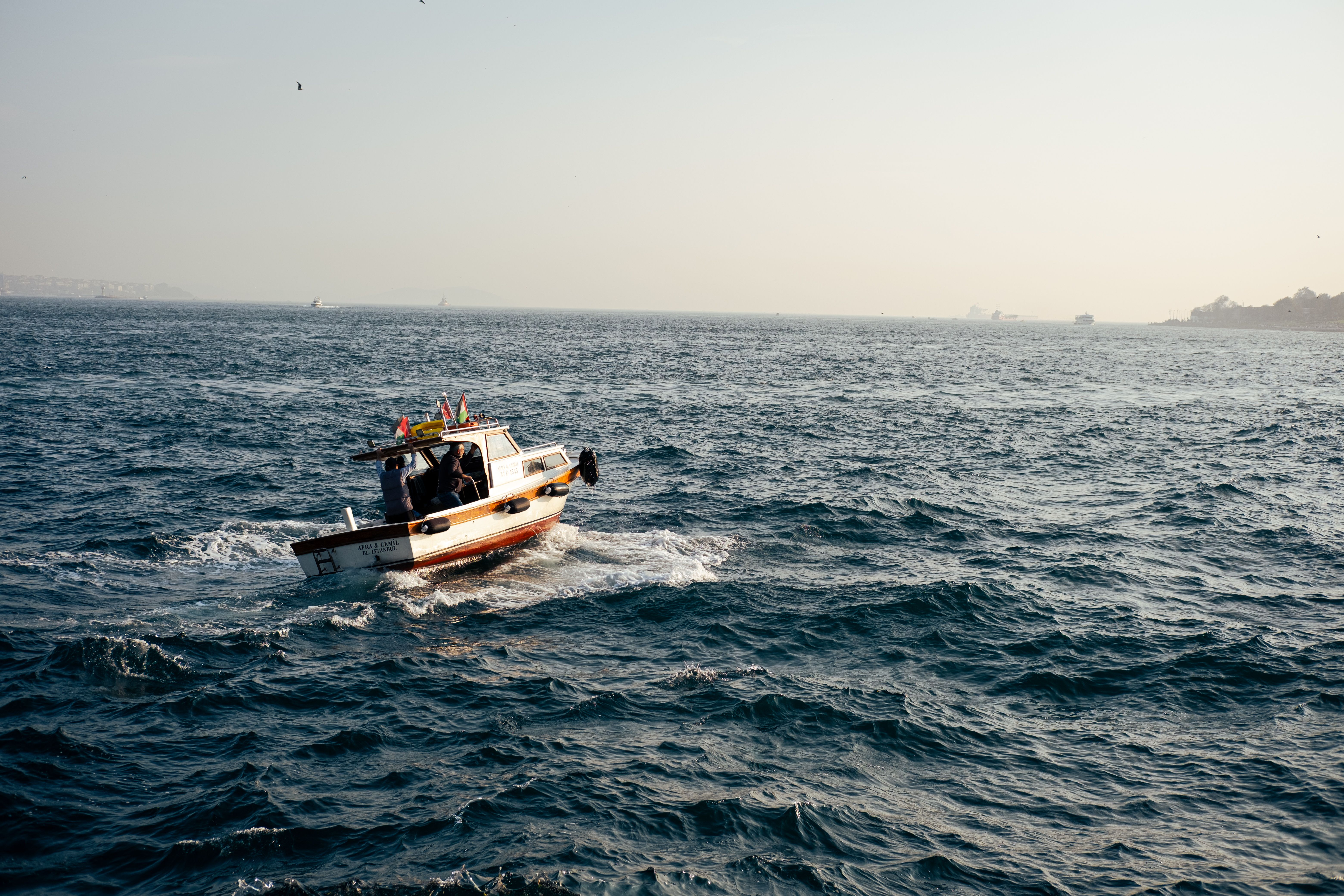
Then you need a way out onto the water. A boat can be anything from a simple rowboat to a yacht, and the right size depends mostly on how many people are coming. For inshore work, a 15-foot sailboat with a small cuddy forward, somewhere to duck out of the rain, does the job nicely. What you want is a hull that is light enough to handle easily but sturdy enough that strong waves, or a bump against rocks or the beach, do not knock it around. You do not need a big offshore rig to start. You need something stable and seaworthy for the water you are actually fishing. Whatever boat you run, keep a life jacket for everyone aboard, because the salt is far less forgiving than a pond, and stow your gear in a dry bag so spray and waves do not ruin it.
Fish the edges, not the middle
Here is a habit that separates people who catch from people who cast all day. When you reach a spot, work the edges of it first. Do not drop your bait or lure right into the middle. Plopping into the center scatters the fish on the perimeter and kills your chances at the whole area. Start on the sides, fish your way in, and you keep the unsuspecting fish in the middle calm and catchable. It feels backwards the first few times. It works.

For going down deep, a cod-line is a must if everyone is going to enjoy the day. A perch-line covers the smaller stuff, and when the mackerel are running, a mackerel jig is exactly the right tool. Match your saltwater rod to the method, a heavier outfit for bottom fishing, something with more finesse for casting lures, and keep a spare fishing reel rigged so you can switch without losing time when the bite turns on.
Time the tide
Tide is the thing freshwater anglers underestimate most. The best time to start saltwater fishing is on the ebb tide, ideally early in the morning. That puts the moving water in your favor, and if the wind is light or coming off the water, it also makes the trip back home easier and quicker. Fishing the right stage of the tide will out-produce fishing the wrong stage even with worse gear, so build your day around the tide chart rather than your alarm clock alone.
Start where the locals fish
The single fastest shortcut to a good day is fishing a ground the locals already know. There is no shame in asking at the bait shop or on the dock. Local knowledge took years to accumulate and someone is usually willing to point you in a productive direction.
Once you are on a spot, resist the urge to bounce around. Too many anglers get impatient and run from one location to the next, and in doing so they blow right past a hotspot before it has a chance to produce. Give a spot a fair shot. Cast out a few times, work it from the shallowest point to the deepest, and rotate through different baits before you decide it is dead. A small tackle box organized so you can swap baits quickly makes this a lot less tedious. Variety matters, because some fish hit one offering readily and ignore another entirely.

When sharks crash the party
Sharks in the area can shut down your fishing fast, pushing the target fish off and grabbing whatever you hook before you can land it. There is an old trick that genuinely helps. Pour some fish blood onto a paper towel or a sheet of newspaper, roll it into a loose ball, and toss it overboard. The sharks follow the scent on the current and drift away from your spot, which opens the water back up for the fish you actually want. It is crude, but it moves them along without much fuss.
Pulling it together
Saltwater fishing is less about expensive gear and more about timing and reading the water. Get your licence, run a stable boat sized to your crew, fish the edges before the middle, time the ebb tide in the early morning, start where the locals start, give your spot a real chance, and keep a trick or two ready for the sharks. Bring the right fishing line rated for saltwater corrosion and bigger fish, stay patient, and the ocean will reward the angler who waits it out over the one who keeps moving.
Ready to shop? Compare saltwater rod across stores →