Saltwater Fishing for Beginners: Gear, Timing, and Where to Cast

Saltwater fishing trades the quiet of a pond for the scale and unpredictability of the sea — bigger fish, harsher conditions, and a few rules that, once learned, dramatically tip the odds in your favor. Patience is still the heart of it, but where and when you cast matters more than people think.
Whether you're surf-casting from a beach or heading out on the water, a little preparation is the difference between a productive day and a sunburned blank.
First, the boring-but-mandatory part
You'll need a fishing license — it's a legal requirement, and the rules vary by state, so check before you go. It's cheap, quick, and the alternative is a fine that ruins the trip.
Gear built for salt
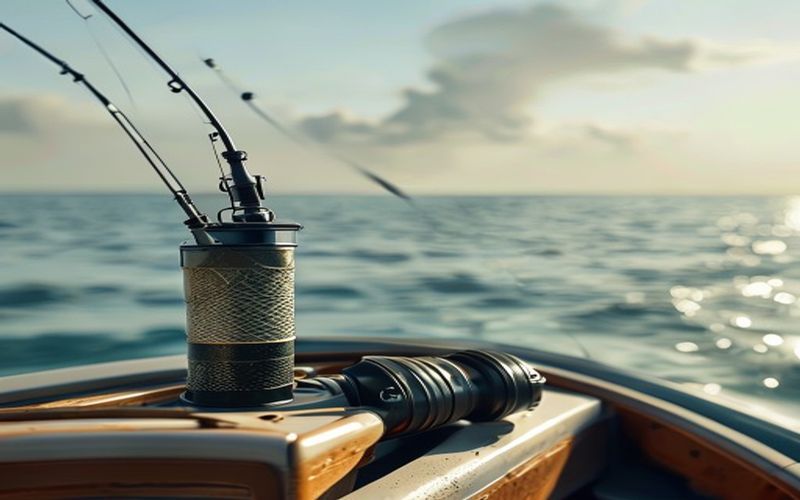
Saltwater is brutal on equipment, so don't bring your freshwater bass setup and expect it to survive. A corrosion-resistant saltwater fishing rod and a sealed saltwater spinning reel are worth the extra money — rinse them with fresh water after every trip or the salt will eat them. Match your fishing line (and consider braid for distance and strength), and keep your catch fresh in a good cooler. If you're heading offshore, the boat is the big decision: a simple 15-foot in-shore boat with a small cuddy for shelter suits most beginners, but a charter is the smartest way to start — local knowledge included.
Where to cast (this is the real edge)
Fish the edges first, not the middle. Dropping your bait or fishing lure right into the center of a likely spot scares fish off; working the perimeter first picks off the unsuspecting ones and keeps the school calm. Start a fishing ground known to the locals, and resist the urge to keep moving — many anglers blow a hotspot by leaving too soon. Cast a few times with different baits, working shallow to deep, before you relocate.
Timing: fish the tide
The best time to start is the ebb tide in the early morning. A moving tide concentrates bait and turns fish on, and early light keeps them active. A light, favorable wind makes the day easier and gets you home quickly if it turns. Calm, slack water at midday is the toughest time to produce.
What I'd skip
Skip freshwater gear in salt — it'll corrode and fail. Skip casting into the middle of your spot and spooking everything. And skip the impatient spot-hopping; patience on a good ground beats restlessly covering miles.

The honest answer
Get the license, use salt-rated gear and rinse it after, fish the edges of a known ground on an early ebb tide, and wait. Saltwater fishing punishes the unprepared and the impatient — do the small things right and the sea hands you fish a pond never could.
Ready to shop? Compare saltwater fishing rod across stores →