Paintball Safety: What the Rules Actually Protect You From
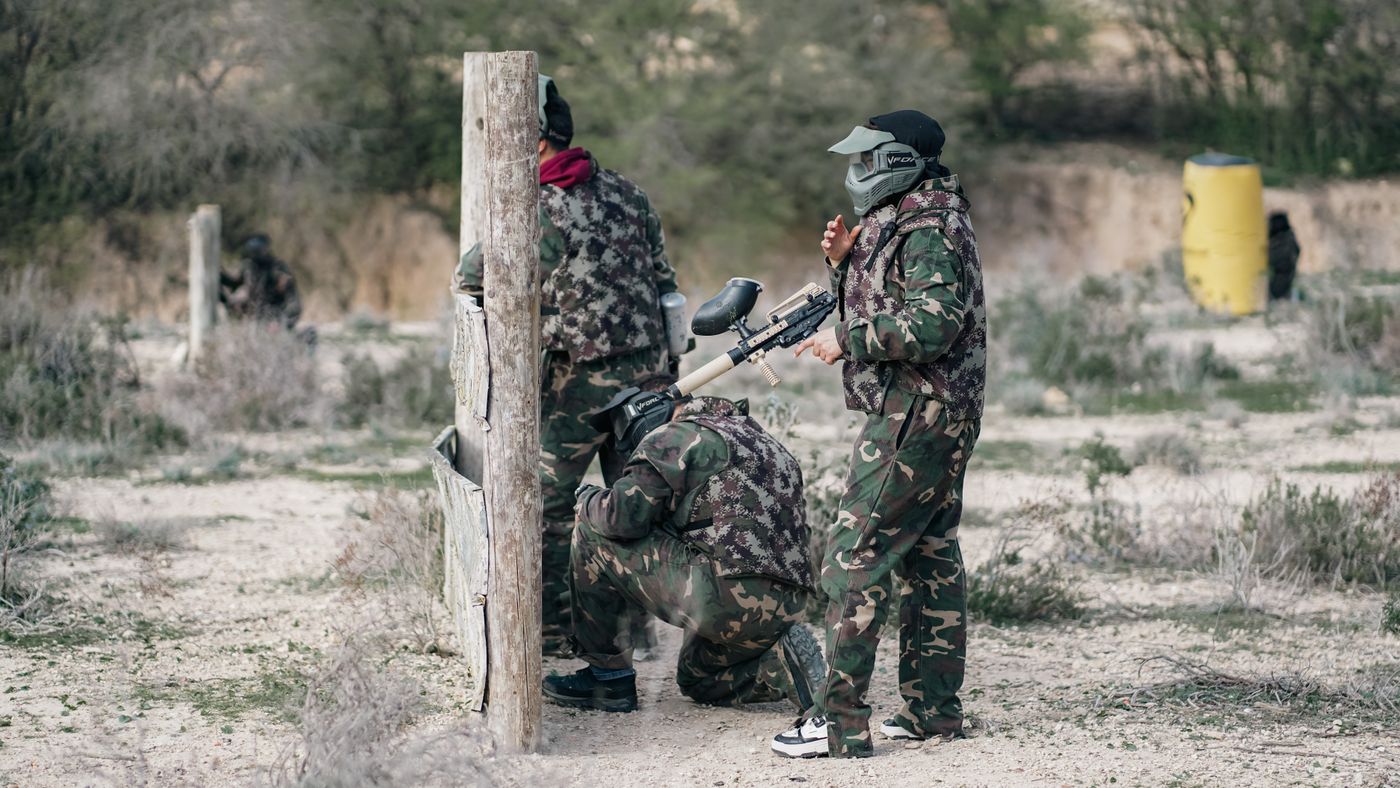
Paintball has a genuinely good safety record when played at regulated fields, and a notably worse one when people improvise their own setups without the protocols. The difference isn't luck. The rules at proper fields are there because, at some point, someone got hurt in exactly that way and a rule got written.
The Mask Rule Is Not Optional
Every field enforces the same absolute: masks stay on until you're in the designated safe zone. This isn't paranoia. A paintball traveling at 270–300 fps will cause serious eye injury at almost any range if it hits an unprotected eye directly. Even at legal velocity limits, a bare-eye impact at close range has caused permanent damage in documented cases.
The specific danger is the mask-off moment in what feels like a safe location — a cleared area behind the field, a spot where the game seems to be happening elsewhere. People get shot in exactly these moments, typically by accident. A barrel plug or paintball barrel cover on every gun when anyone is unmasked is the correct companion rule to mask discipline.
Good paintball goggles with thermal lenses reduce fogging dramatically, which is the main reason people want to remove masks mid-game. If your mask fogs constantly, the fix is a better mask — not pulling the mask up to see. A fogged mask means you need an upgrade; a missing mask means you need hospital.
Velocity Limits Exist for a Physical Reason
The 280–300 fps velocity limit at most fields is set at the threshold where paintballs cause bruising at distance but not serious injury. Above that threshold, the injury profile changes — welts become cuts, and close-range shots can cause welts deep enough to be genuinely dangerous.

The chronograph check before games isn't bureaucratic gate-keeping. It's the field verifying that every marker on the field is within the tested-safe range. A single gun running 340 fps can hurt people significantly in a field of otherwise legal markers. If you're tuning your own paintball regulator, re-chrono after every adjustment — velocity drift is real, especially as tanks warm up or cool down.
Safe Zone Discipline
The safe zone — staging area, picnic area, wherever the field designates — is the one space where unmasked players and armed players coexist. The rules that manage this are simple but need consistent enforcement: barrel covers on all markers, no live firing, and a clear separation between the hot field and the safe zone.
The barrel blocker matters more than most people realize. The majority of accidental discharges happen in staging areas, not on the field. Triggers get caught on gear. A paintball barrel plug costs almost nothing and prevents the most common type of accidental shot.
Close-Range Rules
Many fields enforce a "surrender rule" or close-range distance rule — inside a certain distance (often 10–15 feet), you're supposed to offer surrender rather than fire at full velocity. This rule is inconsistently applied and frequently argued about, but it exists because a point-blank hit at 300 fps on an unprotected neck or ear creates a different injury than a longer-range hit absorbed by a paintball jersey or body padding.
Wearing appropriate coverage reduces the injury risk from close-range hits significantly. Players who show up in thin clothing get hurt worse than players in proper paintball padding — which is one reason rental fields often provide minimal body coverage and see more complaints about bruising.
What I'd Skip
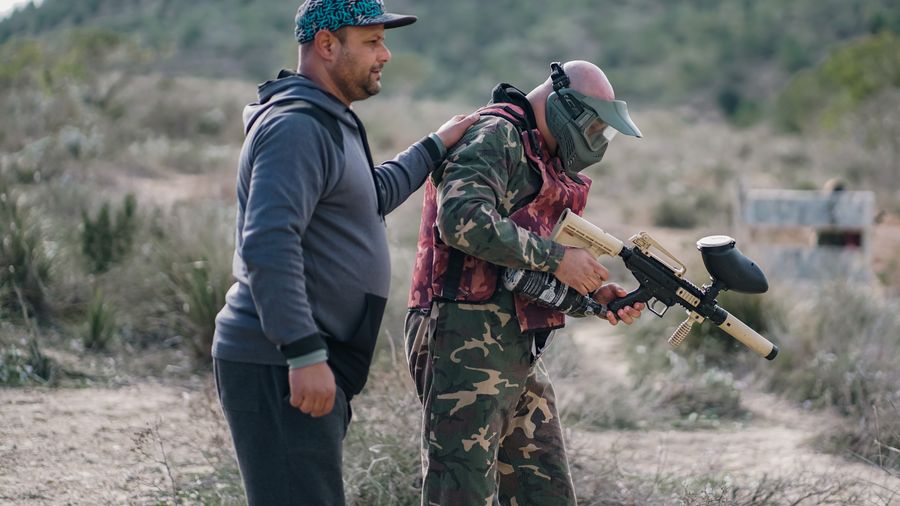
The attitude that safety rules are for beginners or overly cautious people. The players I know who've had genuine injuries — a chipped tooth from a mask that didn't seal, a broken finger from a bare-hand hit — were all experienced players who relaxed their protocols because they felt comfortable. Experience doesn't reduce risk if you stop following the rules that manage it.
Also skip the impulse to test your marker's upper velocity limit "just to see." You won't notice the difference in your game, and you will notice the difference in how other players look at you when the chrono reads 340.
Paintball is physically safer than it gets credit for — the injury rate at regulated fields is lower than many contact sports. That track record exists because the rules get followed. It breaks down the moment they don't.
Ready to shop? Compare Outdoors & Recreation across stores →