Ice Fishing Prep: Gear, Bait, and Staying Warm and Safe
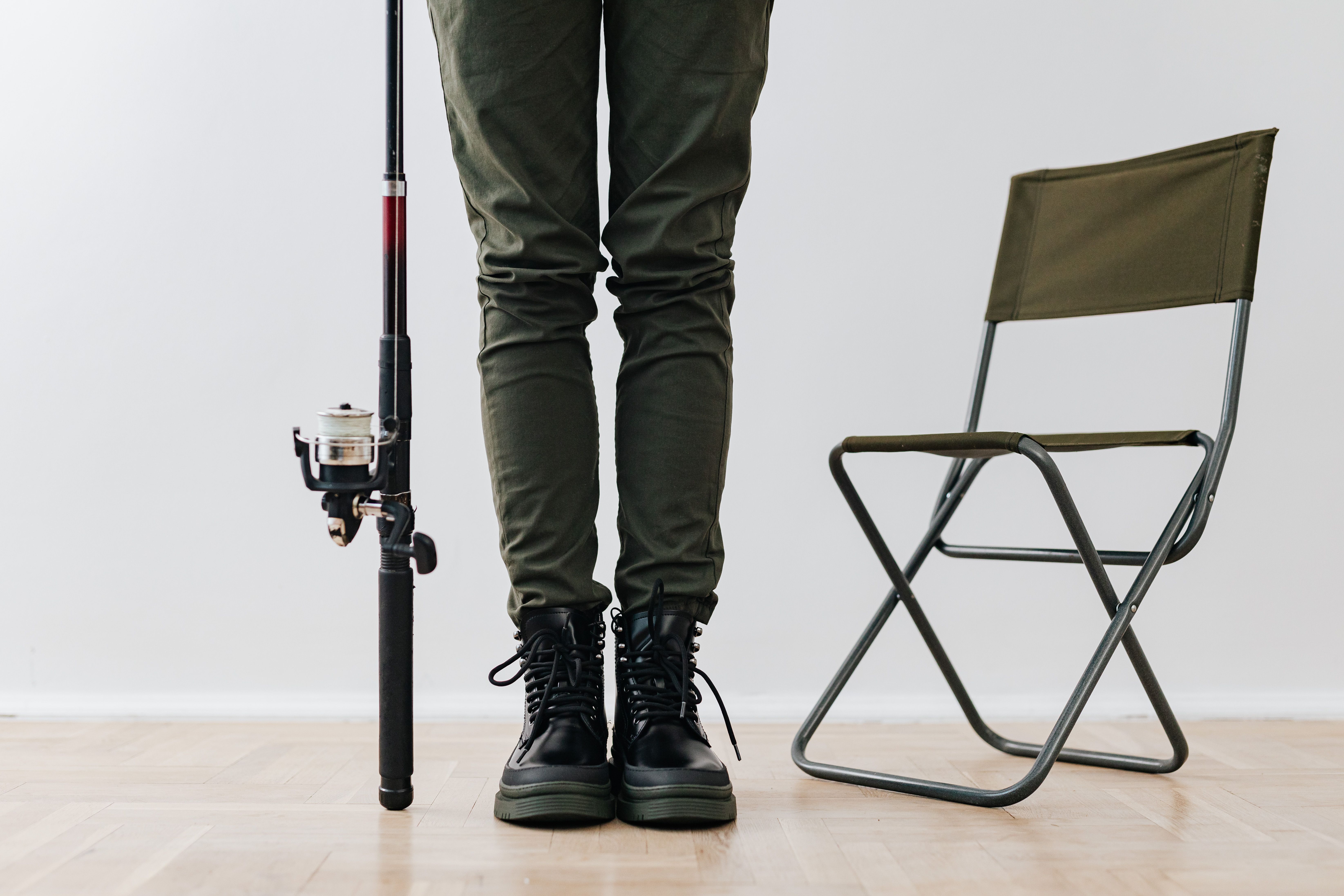
Ice fishing is either the best day of your winter or the most miserable, and the difference is almost entirely preparation. The fishing part is simple. It is everything around it, the cold, the gear, the bait, the safety, that separates a great trip from one you cut short two hours in with frozen feet and a tangled line. The good news is that all of it is fixable with a checklist and a little forethought before you ever step on the ice.
The motto I learned early is four words: wise up, stock up. Sort your gear in the warmth of your house, not on a frozen lake at dawn, and the rest of the day takes care of itself.
Buy early and replenish what you used
The first move happens before the season, not on trip day. Make a list of everything you went through last winter, the bait, the lures, the small consumables, and replenish it early while it is in stock and you are not in a hurry. Running out of a glow lure or a favorite jig mid-season, then finding the shelves bare, is a self-inflicted wound. Stock up ahead.
The core ice tackle is small and specialized. You want an ice fishing rod, short and sensitive for fishing straight down a hole, and a selection of ice fishing jigs and small spoons in a few colors, including the glowing kind that fish well in low winter light. Sort these into a compact box before you go so you are not digging through a tangle with cold hands.
Keep the hole clean and the line clear
Once you have cut a hole, keep it clean. Chips and chunks of floating ice will catch your line, foul your jig, and worst of all can saw through your line right when a good fish is on, costing you the catch of the day. Skim the slush out and keep the hole clear of debris through the session. It is a small habit that prevents a maddening problem.

A simple ice fishing skimmer scoops the hole clear in seconds, and an ice auger is what cuts a clean hole in the first place, whether hand-powered or gas. A clean hole and clear line is half of ice fishing going right.
The bait that earns its place
Live bait outfishes almost everything through the ice, and a few types cover most situations: wax worms, minnows, maggots, and assorted scented soft baits. Keep them separated so they do not foul each other, and as much as possible keep them alive and from freezing, which on the ice means an insulated container rather than leaving them exposed to the cold. A bait that is frozen solid catches nothing.
A small insulated bait cooler keeps live bait from freezing, and a tub of scented soft plastic bait gives you a backup that keeps forever and does not die if you forget it in the truck. Bring both, and you are never stuck.
Clean gear and the cold that kills it
Before the trip, inspect and clean the rods and reels you plan to use. Cotton swabs are perfect for working dirt and nicks out of the small parts of an ice rod, and a non-freezing oil on the reel keeps it turning in temperatures that would seize a normally lubricated one. Standard reel grease can stiffen to glue in deep cold, so the right lubricant genuinely matters here.

Your shelter needs the same once-over. An ice tent or shanty should be cleaned out and have a light coat of lubricant on the joints and zippers so they work in the cold, and any wear or tear is best repaired before the season rather than discovered at minus twenty. A portable ice fishing shelter turns a brutal day into a comfortable one, and a small propane heater with plenty of fuel is what keeps you out long enough to actually catch fish instead of fleeing the cold.
Warmth and safety are not optional
You cannot fish well while you are freezing, so dress for it seriously. The right outer layer is an insulated, weatherproof ice fishing suit built for sitting still in extreme cold, not a jacket meant for moving around. Your feet take the worst of it, so a pair of properly rated insulated fishing boots is the difference between a full day and frostnipped toes. Cold feet end more ice trips than no fish do.
Safety is the part no one should skip. Ice is unpredictable, and falling through is a genuine danger. Carry ice safety picks worn around your neck so you can claw yourself out if you go in, and a length of safety rope for reaching someone who does. Check ice thickness as you go and never assume early or late season ice will hold. Prepare for the cold and the worst case, and ice fishing becomes exactly what it should be: comfortable, safe, and genuinely fun.
Ready to shop? Compare ice fishing rod across stores →