How to Choose a Daypack or Backpack Without Guessing
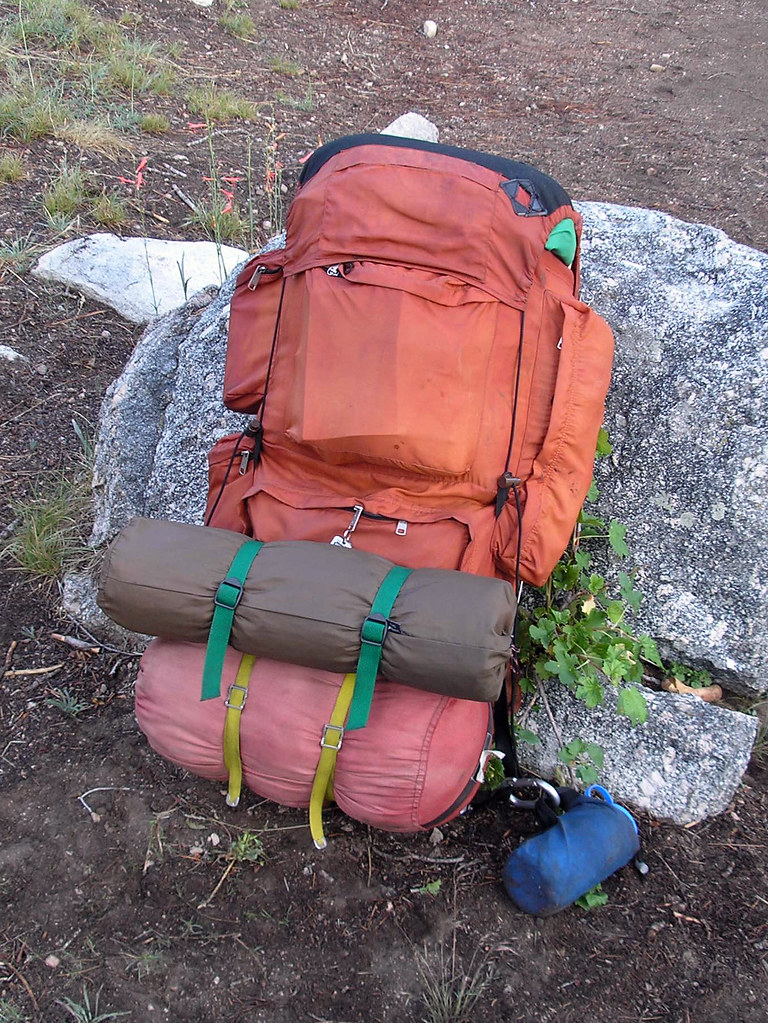
The number on a backpack — 20L, 50L, 65L — is the thing everyone shops by, and it's the least important spec. A pack that fits your torso and rides on your hips will carry a heavy load comfortably; one that doesn't will hurt at half the weight, no matter how big it is.
I've owned packs that looked perfect on paper and dug into my shoulders for an entire trip because they were built for a longer back than mine. Here's how to skip that, whether you want a little daypack or a full backpacking haul.
Fit is torso length, not your height
Two people the same height can have very different torso lengths, and torso length — not height — is what sizes a pack. Measure from the bony bump at the base of your neck (lean your head forward to find it) down to the top of your hip bones. That number maps to S/M/L on most packs, and many good ones have an adjustable suspension so you can dial it in.
Here's the part beginners get backwards: a loaded pack should ride on your hips, not your shoulders. The hip belt carries roughly 80% of the weight when it's positioned right, wrapped over the top of your hip bones. The shoulder straps just keep the pack from tipping back. If your shoulders are screaming, the hip belt is sitting too low or the torso is too long. Try any serious pack on with real weight in it — most shops have sandbags — and walk around for ten minutes before you decide.
Size the volume to the trip, honestly
Buy for the trips you actually take, not the expedition you're imagining. For everyday hikes and travel, a 20–30L daypack holds water, layers, lunch, and a rain shell with room to spare. Go bigger only if you're carrying camera gear or someone else's stuff.

For overnight and weekend backpacking, a 40–55L backpacking backpack is the sweet spot once you've got compact gear. A 60–70L internal frame backpack is for genuinely long trips, winter loads, or hauling for a kid. Resist going huge — a big pack tempts you to fill it, and a full 70L pack is a miserable thing to carry. The discipline of a smaller pack makes you pack lighter, which makes the whole trip better.
The features that matter, and the ones that don't
What actually improves a pack: a real hip belt with padding, a frame or framesheet that transfers load (cheap "frameless" packs collapse under weight and put it all on your back), easy top access, and a rain cover or built-in cover since no pack is truly waterproof in a downpour. A spot for a hydration bladder or accessible side pockets for water bottle storage keeps you drinking without stopping.
What doesn't matter much: the number of zippered compartments, lash points you'll never use, and "ventilated" mesh back panels that add bulk. One big main compartment plus a couple of pockets beats a pack carved into ten little zones you have to remember.
Daypack buyers: don't overthink it
If you only want something for day hikes and travel, you have permission to relax. A simple hiking daypack with a chest strap, a hip strap, and a spot for water is genuinely all most people need. Comfort and a couple of useful pockets beat a tactical-looking pack with forty straps. Try it on loaded, make sure the shoulder straps don't dig, and you're done.
Loading a pack so it carries well
A well-fitted pack can still ride terribly if you load it wrong, and this is the cheapest "upgrade" there is because it costs nothing. The rule: heavy stuff close to your back and centered between your shoulder blades, medium weight around it, and light, fluffy things (sleeping bag, spare clothes) at the bottom and outer edges. Weight high and away from your back tips you backward and tires you fast; weight low and out front drags on your shoulders.

Use packing cubes or a few dry bags to keep gear in defined blocks instead of a loose jumble — it packs denser, stays organized, and dry bags double as waterproofing for your sleeping bag and electronics. Cinch the compression straps tight so the load can't shift as you walk; a pack that sways throws off your balance with every step. Once it's loaded, tighten the hip belt first, then the shoulder straps, then snug the load-lifter straps at the top — that order seats the weight on your hips where it belongs.
What I'd skip
Skip the oversized "in case" capacity — you'll regret carrying it. Skip packs with no real hip belt if you'll carry more than a few pounds; thin webbing isn't a hip belt. Skip the heavy "tactical" packs for hiking — they're built tough but ride poorly and weigh a ton empty. And skip buying purely on a brand reputation or a star rating; fit is personal, and a five-star pack on the wrong torso is a one-star day on the trail.
The honest answer
Measure your torso, size the pack to that, load it with real weight in the store, and make sure it rides on your hips. Then buy the smallest volume that fits your actual trips. Do those three things and almost any well-made pack will serve you for years — the fit is the purchase, the rest is detail.
Ready to shop? Compare internal frame backpack across stores →