
Fly Fishing for Beginners: Rod, Line, and the One Thing That Matters Most
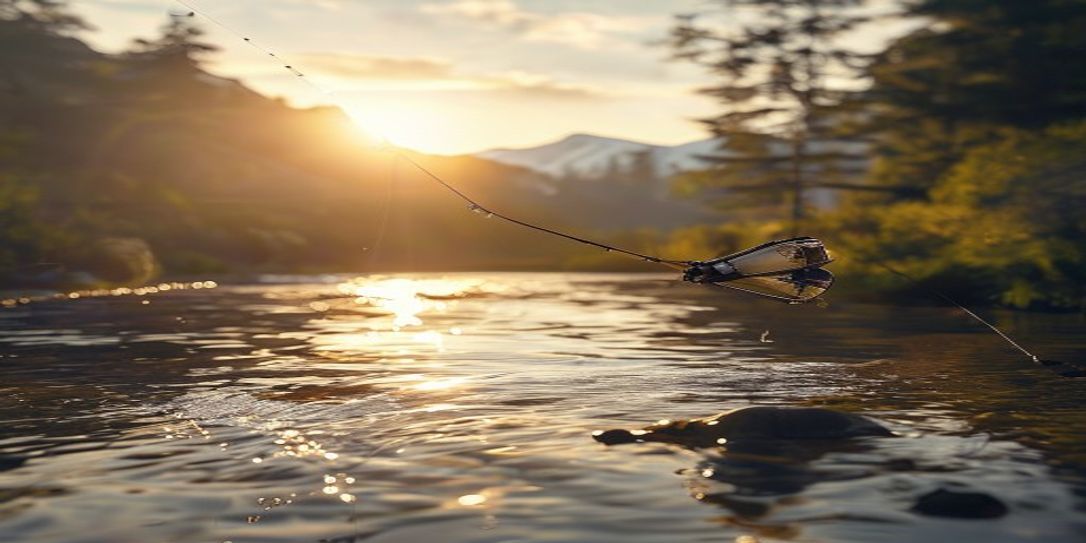
Fly fishing has a reputation for being difficult and exclusive. It's neither. Strip away the mystique and it's three simple things: a suitable rod, a line that matches it, and a decent cast. Get those right and you're fishing — and quietly practicing one of the best forms of conservation in the sport.
It's also one of the fastest-growing ways to fish, partly because fly anglers tend to catch-and-release and tread lightly on the water. Here's how to start without the frustration that makes people quit in week one.
The rod: start with glass or graphite, not bamboo
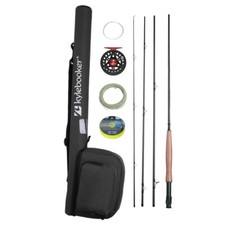
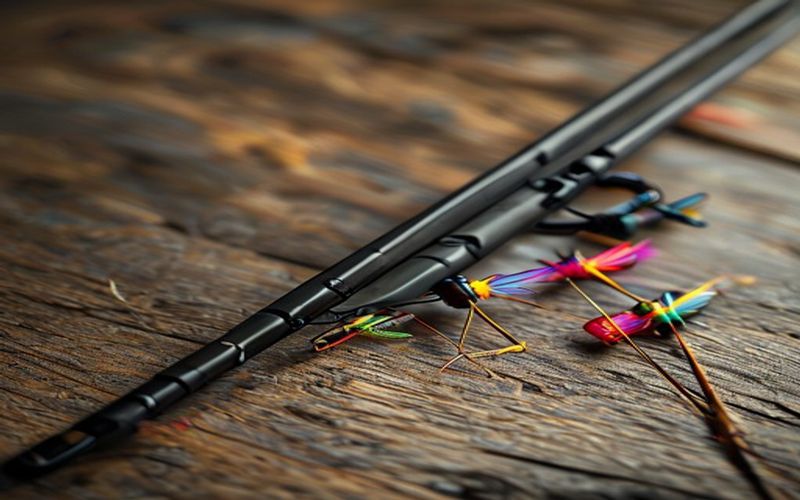
For a beginner or anyone on a budget, a hollow graphite (or fiberglass) fly fishing rod is the right call. It needs less babying than classic bamboo, won't take a permanent bend if you store it carelessly, and is far more forgiving while you learn. A mid-priced 9-foot, 5-weight rod is the universal "do everything" starter that handles trout, bluegill, and bass alike.
The line: this is the part everyone gets wrong
Here's the secret almost no beginner knows: 99 times out of 100, the struggling fly caster has a line that's too light for the rod. A fly rod casts the weight of the fly fishing line, not the lure — so a mismatched line kills your casting before you've started. Match the line weight to the number printed on the rod (a 5-weight rod takes a 5-weight line), and a whole world of frustration disappears. A weight-forward floating line is the easiest to learn on.
Casting: rhythm beats force
The single biggest beginner mistake after the line issue is muscling the cast. Fly casting is about timing and a smooth stop, not power — you load the rod, pause to let the line straighten behind you, then drive forward and stop crisply. Ten minutes in a backyard with no fly tied on teaches the rhythm faster than an afternoon on the river. Once it clicks, it feels effortless.
The rest of the starter kit
You don't need much else: a simple fly reel balanced to the rod, a small box of fishing flies (a few proven patterns beat a hundred random ones), tippet and leader, nippers, and a pair of fishing waders if you'll be standing in cold water. That's a complete setup.
What I'd skip
Skip bamboo and high-end rods as your first — you can't yet feel what they do. Skip a line that's lighter than the rod's rating to "make it easier"; it does the opposite. And skip buying every fly in the shop; learn to fish three or four patterns well before you expand the box.
The honest answer
A balanced graphite rod, a line that matches it, and a smooth, well-timed cast are the whole game. Get the line weight right, practice the rhythm on dry land, and fly fishing turns from intimidating to addictive almost overnight.
Ready to shop? Compare fly fishing rod across stores →