

Fishing in Canada: Salmon, Ice Fishing, and Three Coasts
The first time I hooked a chinook off the Canadian Pacific coast, I understood why people fly across the world for it. Then a few months later I was sitting over a hole in two feet of ice, and realized this is really two countries' worth of fishing in one.
Canada gives you rivers, ponds, freshwater lakes, saltwater, and streams in staggering supply, and both freshwater and saltwater fishing are national pastimes for a reason. The water is genuinely productive, the wildlife is everywhere, and there are well-run first-class fishing trips for almost any target. It's hard to come away disappointed if you plan around what the country does best.
Two distinct worlds
Canadian fishing really splits into lake-water fishing and saltwater fishing, and in Canada the gap between them is wide. The gear, the targets, and the rhythm of a day are all different. There's no shortage of shops selling fishing gear and fishing tackle, so you can outfit yourself once you decide which world you're chasing.
My advice: pick your discipline before you book. Trying to do everything in one trip means doing none of it well. Choose salmon, or lake fishing, or ice, and build the trip — and the fishing rod — around it.
Salmon is the headliner
The most famous fishing in Canada is salmon, and it earns the billing. Coho, sockeye, chinook, and chum are all abundant, and they're prized for both size and sheer beauty. There's a whole guiding industry built specifically around salmon, and a good guide on productive water is the fast track to a fish you'll remember.

Salmon pull hard, so don't bring undergunned gear. A backbone-y fishing reel with a smooth, strong drag is the difference between landing a chinook and watching your fishing line peel off into the current. This is not the trip to skimp on tackle.
Saltwater across three oceans
Canada touches the Atlantic, the Pacific, and the Arctic, and saltwater fishing thrives on all three coasts. That's your shot at shark and tuna — the big saltwater fish that only really come from deep water, which all three coasts can put you on. Deep-sea trips here are serious fishing, with serious fish to match.
If big-game is your goal, hire a proper offshore boat and a captain who runs that water regularly. The fish are out there, but finding them and fighting them takes the right vessel and heavy fishing tackle.
Fly fishing and the Canadian classics
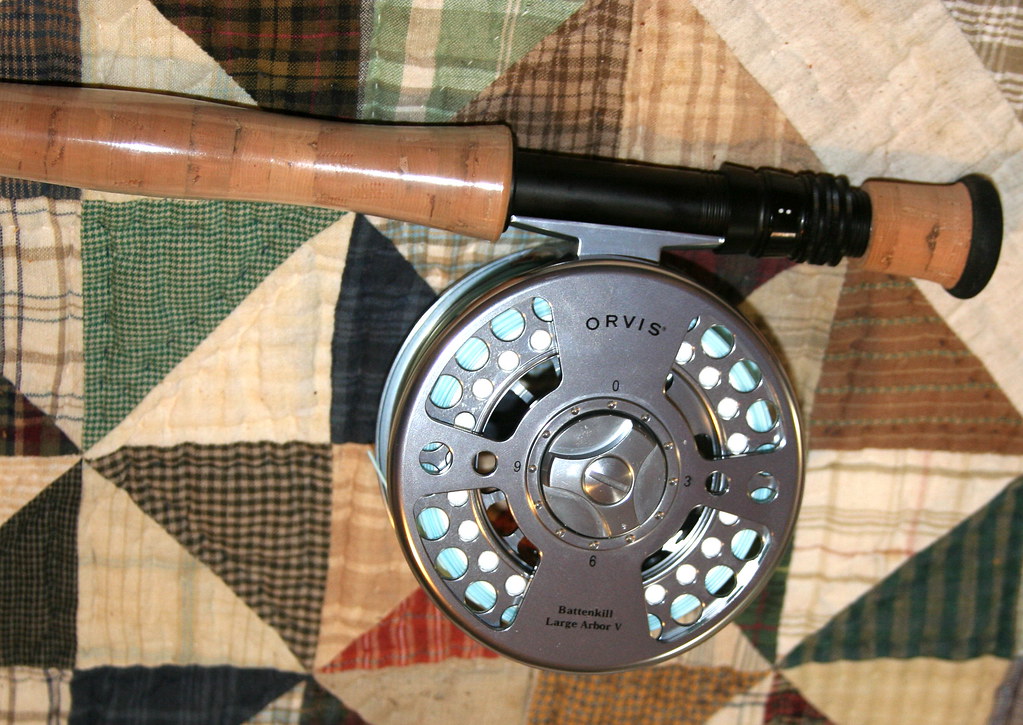
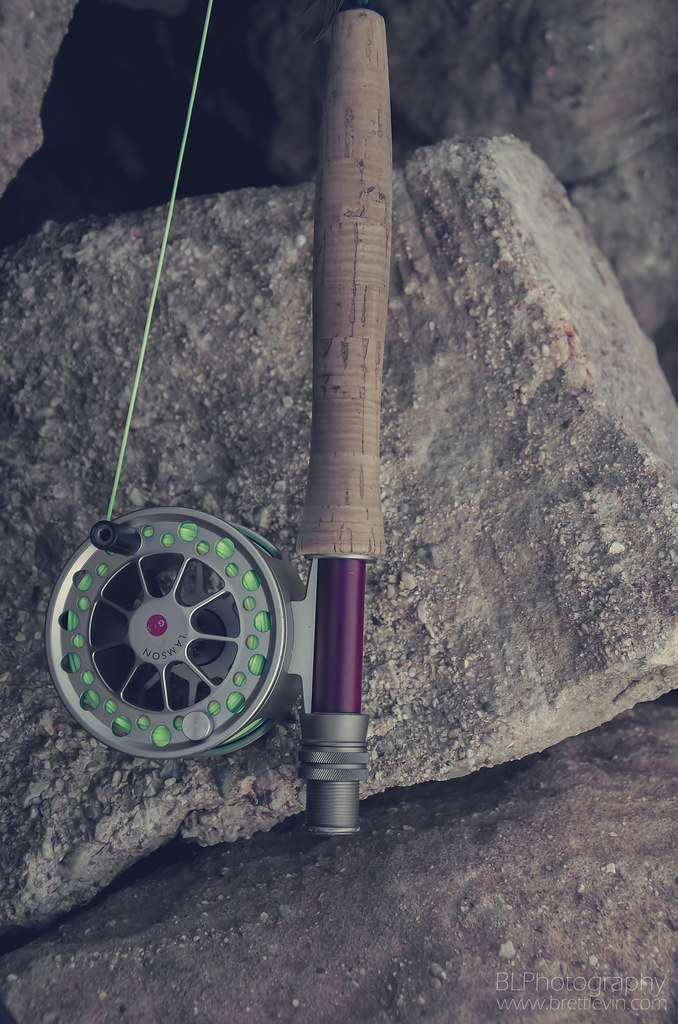
Canada also has a strong fly-fishing tradition. Fly fishing is one of the older forms of the sport — catching fish on an artificial lure called a fly — and plenty of resorts and lodges build whole packages around it. If you've ever wanted to learn properly, a Canadian lodge with a fly fishing rod in your hand and a guide on the bank is a fine place to start.
Ice fishing, with respect for the cold
And then there's ice fishing, which is an experience all its own. It needs special gear, the right clothing, and techniques that genuinely call for a skilled guide — both to put you on fish and to keep you safe on the ice. Many visitors rent an ice hut to stay warm and out of the wind, which I'd strongly recommend over toughing it out.
For ice fishing especially, go with a guide who specializes in it. And bring safety gear of your own: a compass, a charged phone, and a flashlight, in case the day runs long or the weather turns. The cold is unforgiving, and a good ice-fishing fishing tackle setup means little if you're not prepared for the conditions.
That's the real lesson of fishing in Canada — match the trip to the water, hire the right specialist, and respect what each discipline demands. Do that and you get salmon, deep-sea giants, classic fly water, and the strange quiet magic of a frozen lake, all in one country.
Ready to shop? Compare fly fishing rod across stores →