
Fishing Bait: The Types That Catch Fish and How to Get It
There are over a thousand baits on the market and every one of them catches fish sometimes. The trick isn't finding a magic bait — it's matching the bait to the fish you're actually after.
When I started out, the bait aisle paralyzed me. So many colors, sizes, and types, all promising to be "the best." After enough trips I figured out the truth: there's no single best bait, because the right choice depends entirely on what you're chasing and where. Here's how I think about it now, stripped of the marketing.
Baitfish: the workhorse of bait fishing
The most commonly used baits are small fish, and for good reason — most game fish eat other fish. Herring, anchovies, menhaden, and whatever small species are native to your local water all make excellent bait. You can fish them whole when you're after smaller predators, or cut larger fish into chunks for bigger quarry.
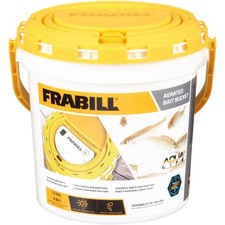
That whole-versus-chunk decision matters more than people think. A small predator wants a bite-sized whole fish; a big bottom-feeder is happy to find a chunk or a strip. The general rule is to match the size of the bait to the size of the fish you're hunting. Too big and small fish can't take it; too small and big fish won't bother. A good bait bucket keeps your baitfish lively, and lively bait outfishes dead bait nearly every time. Keep a sharp fillet knife handy for cutting chunks and strips cleanly.
Shrimp and crab: the inshore champions
If you fish inshore saltwater, shrimp and crab are hard to beat. Shrimp in particular is one of the most valuable baits going for inshore species — redfish, speckled trout, snook, and a long list of others find it irresistible. It's no exaggeration to say shrimp accounts for a huge share of inshore catches.

Crabs are the other inshore staple, especially for bottom fish. Fiddler crabs, sand fleas, and blue crabs all produce, and the standard way to rig them is to hook them through the shell, usually to one side of the head so they stay alive and natural. Between the two, shrimp and crab are the most popular organisms anglers reach for inshore, and they've earned it. A small tackle box of the right hooks and a cast net for catching your own shrimp will pay for themselves fast.
Worms, clams, and the rest
Beyond the big three, the list of usable bait is long: worms, clams, sand fleas, eels, and squid all catch fish under the right conditions. Earthworms deserve a special mention because they're an outstanding freshwater bait and you can dig them up for free in your own backyard. For a kid's first trip, a can of worms and a bobber is still the most reliable setup there is.
The weight of your bait matters too. Most baits run from a quarter-ounce to a few ounces, and bait casters tend to favor something around five-eighths of an ounce — a sweet spot that casts well without overpowering the fish. If you're spooling up for it, the right fishing line and a balanced fishing reel make casting these weights smooth instead of a fight.
Buy it or catch it?
You've got two ways to get bait: buy it at a shop or catch it yourself. Both are legitimate, and the right answer depends on what you value on a given day.
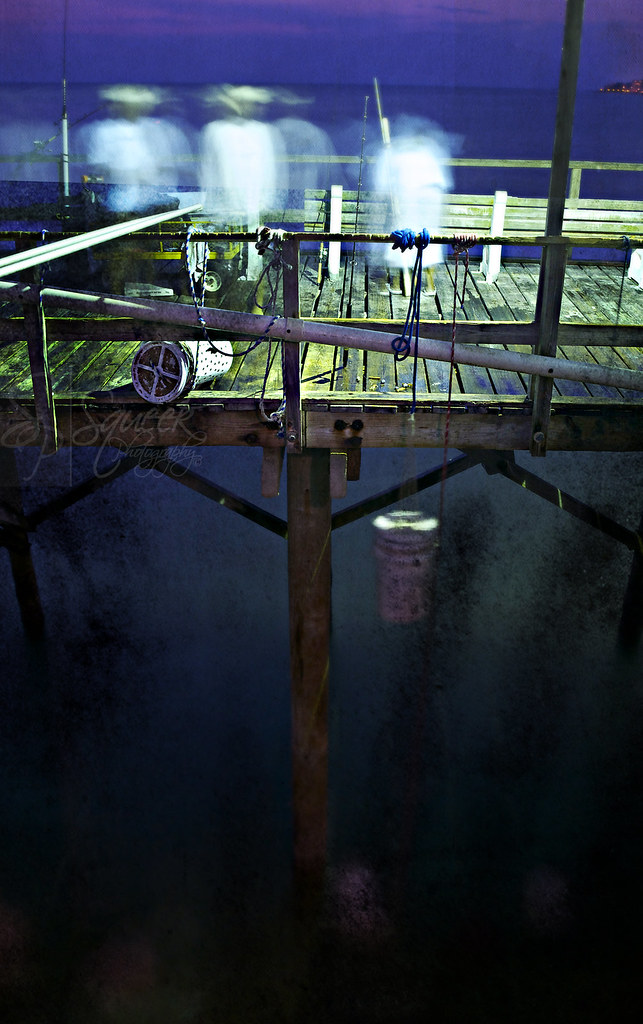
Buying bait is pure convenience — walk in, grab it, go fishing. Catching your own is cheaper and often more effective, because nothing looks more natural to a fish than the live bait that already lives in its water. Digging earthworms, throwing a cast net for shrimp, or trapping small baitfish costs almost nothing and frequently outfishes anything from the cooler at the shop. I do both depending on how much time I have, but on a serious trip I'll usually catch fresh local bait if I can.
The bottom line on bait is simple: don't chase a magic lure, match your bait to your target. Know whether you're after inshore predators (shrimp, crab), open-water game (baitfish), or freshwater panfish (worms), and pick accordingly. Get that right and you'll save time, money, and a lot of fishless afternoons. If you'd rather throw hardware than live bait, my guide to fishing lures covers when artificials beat the real thing.
Ready to shop? Compare bait bucket across stores →