

Fishing Bait Explained: Live, Cut, and What Catches What
Walk into any tackle shop and the bait aisle is overwhelming — there are well over a thousand options, and the truth is that almost all of them catch fish at some point. The skill isn't owning every bait; it's matching the right bait to the fish you're after. Here's the simple framework that does it.
Strip away the marketing and bait comes down to a few categories and one rule: match the bait to the fish's natural food and size.
Live, cut, or whole?
Natural bait gets used three ways. Whole baits (a small live fish, a whole shrimp) move and look natural — best for active, predatory fish. Cut baits (chunks or strips of larger fish) leak scent and are deadly for bottom feeders and scavengers like catfish. Live bait outperforms dead when fish are finicky, but dead and cut bait shines on smell-hunters. A simple bait bucket with an aerator keeps live bait frisky all day.
The natural baits that earn their place
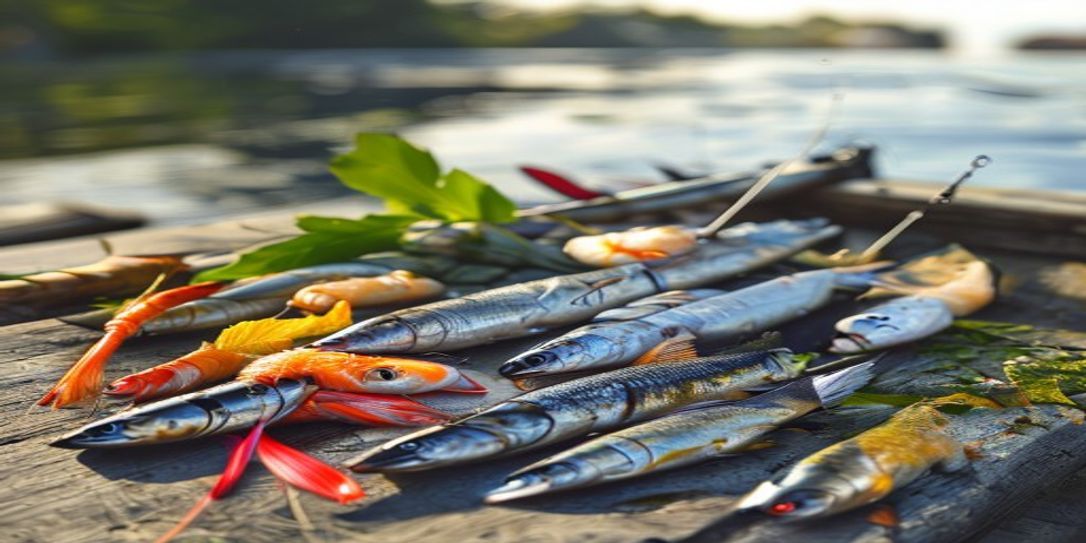
You don't need exotic bait. The reliable workhorses are shrimp (gold for inshore saltwater fish — redfish, speckled trout, snook), crabs (fiddler, sand flea, and blue crab are perfect for inshore and bottom fish), and small baitfish like herring, anchovies, and menhaden. Add worms, nightcrawlers, clams, eels, and squid and you can cover nearly any species that swims.

Match the size
The biggest rookie mistake is mismatching bait size to target. A tiny bait won't tempt a big fish, and a huge bait won't fit a small one's mouth. As a rough guide, most bait runs from a quarter-ounce to a few ounces — bait casters favor around 5/8 ounce — and you scale up or down with the size of the fish you're chasing. Use larger fish as chunk bait for larger predators; downsize for panfish.
When to use artificials instead
Natural bait is unbeatable for scent and realism, but fishing lures let you cover water fast, fish without a bait supply, and target by action and depth. Many anglers carry both — bait for the slow, smell-driven bite, lures for actively feeding fish. There's no wrong answer; there's just what the day calls for.
What I'd skip
Skip hoarding a hundred baits — a few proven naturals plus a handful of lures cover almost everything. Skip mismatched sizes; match the bait to the fish's mouth and menu. And skip letting live bait die in a warm bucket — an aerator and shade keep it lively and effective.

The honest answer
Good bait is a matching exercise, not a shopping spree: live or whole for active predators, cut for scent-hunting bottom feeders, sized to the fish you want. Master shrimp, crab, and a couple of baitfish, keep them fresh, and you'll out-fish the angler drowning in a tackle box of gimmicks.
Ready to shop? Compare bait bucket across stores →