A First Car-Camping Kit That Won't Waste Your Money
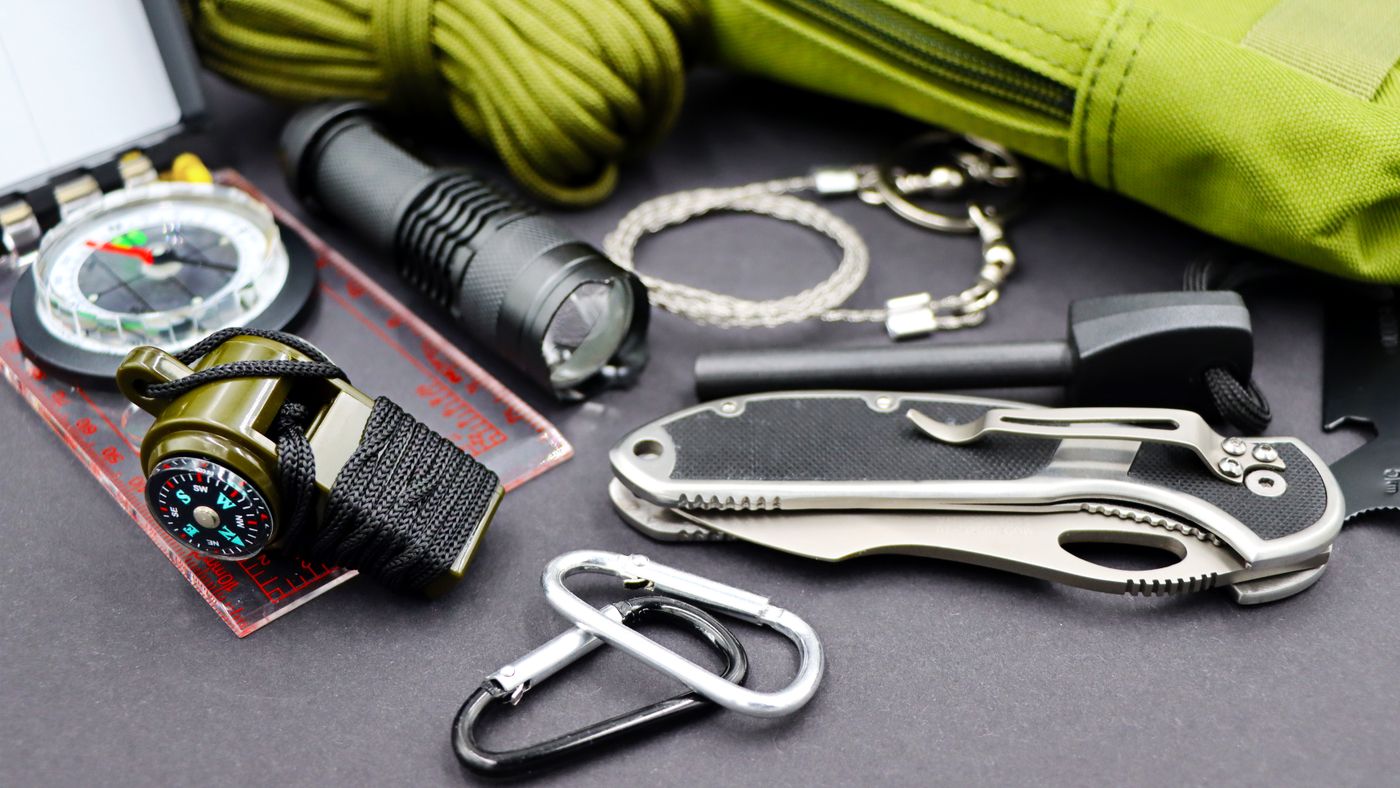
The good news about car camping is that you don't carry anything on your back, so weight doesn't matter and you can be cheap about almost everything. The trap is that gear shops know you're nervous, and nervous beginners over-buy.
I've watched friends spend $800 before their first night outdoors, then never use half of it. You don't need a "system." You need a place to sleep, a way to stay warm, a way to make coffee, and a light. Here's the kit I'd hand a first-timer, and the order I'd buy it in.
Sleep is the only thing you can't fake
A bad night's sleep is what makes people decide they "don't like camping." It's almost never the camping — it's that they slept on the cold ground in a $20 sleeping bag. Spend your money here first.
The single most underrated item is the pad, not the bag. Get a thick self-inflating sleeping pad or, since weight doesn't matter when you're driving, a foam-topped camping cot or even a queen air mattress for the back of an SUV. Cold seeps up from the ground far faster than it comes from the air, and an inch of insulation underneath you beats a fancier bag on top.
For the bag itself, a 3-season rectangular sleeping bag rated about 10°F colder than the lowest temperature you expect is plenty. Ignore the ultralight mummy bags — those are for backpackers counting grams. You want room to roll over. Add a cheap camping pillow or just stuff a fleece into a pillowcase.
The tent: borrow first, buy second
This is the one big-ticket item, and it's the one I'd most want you to borrow before buying. Sleep in someone's tent for a weekend and you'll learn what you actually care about — headroom, how fast it pitches, whether the door zips smoothly at 2 a.m.

When you do buy, get a tent rated for two more people than your group. A "4-person" tent fits two adults and their stuff comfortably; it fits four people only if they're four people who really like each other. Look for a simple family camping tent with a full rainfly that reaches near the ground, not the half-fly "summer" tents that leak in a real storm. Freestanding (poles clip together, no staking required to stand up) makes setup forgiving while you're learning.
Cooking: keep it stupid for the first trip
You do not need a camp kitchen with a spice rack. For the first trip, a two-burner propane camping stove and one decent pot covers eggs, pasta, and boiling water. That's it. Bring a cheap cooler with block ice (block ice lasts far longer than cubes), a lighter, and a roll of paper towels.
If you want one upgrade that punches above its price, it's a proper camping chair each. Sitting in the dirt gets old in twenty minutes, and a comfortable chair is the difference between hanging out by the fire and going to bed at eight because there's nowhere to sit.
Light, and not much else
Get one headlamp per person — hands-free beats a flashlight every time you're cooking, finding the bathroom, or rigging the tent in the dark. Add one bigger camping lantern for the table and you're done. Rechargeable is nice; a fistful of spare batteries is nicer when you're three hours from a store.
Staying comfortable in camp
The little comfort items are what make people want to come back, and they cost almost nothing. A cheap camping tarp strung over your table turns a rained-out afternoon into a fine one, and it shades the morning sun so you don't wake up roasting in the tent at 6 a.m. A folding camping table gets your stove and food off the dirt — you'll appreciate it the first time you're chopping vegetables on your knees.
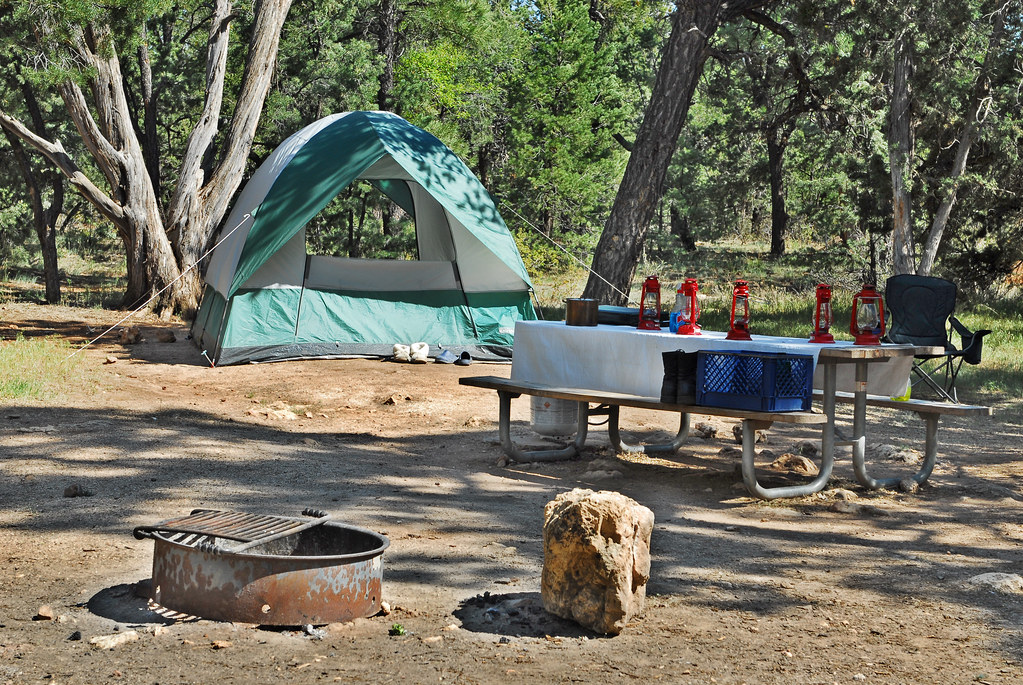
Cold nights catch first-timers off guard even in summer, because temperatures drop hard after dark. Pack a wool blanket or an extra layer you can throw over your bag, and bring a warm hat — you lose a surprising amount of heat through your head, and a beanie in the bag is the cheapest "warmer sleeping bag" upgrade there is. None of this is essential, but all of it is cheap, and together it's the difference between enduring a trip and enjoying one.
What I'd skip
Skip the screen house, the camp shower, the folding "kitchen station," the inflatable solar lantern, and anything described as a "kit" that bundles ten items you didn't choose. Skip the $300 cooler — a $40 one with block ice keeps food cold for a weekend, and you can decide you're a Real Camper later. Skip the cast-iron Dutch oven for trip one; you'll be learning to manage a fire, not slow-roasting a brisket.
And skip buying a hatchet to split wood. Most campgrounds sell firewood that's already the right size, fires are banned half the year in a lot of places anyway, and a beginner with a hatchet in the dark is how trips end at urgent care.
The honest answer
Buy the sleep system, borrow the tent, keep the cooking dumb, and bring chairs and a headlamp. That's a real car-camping kit for a fraction of what the store wants you to spend, and it'll get you through ten trips before you know enough to want anything fancier. Spend the saved money on a second night out — experience teaches you what to buy far better than a salesperson can.
Ready to shop? Compare family camping tent across stores →