Catfishing Methods: Bait, Rigs, and the Art of Chumming
Catfishing has a reputation for being simple, and it mostly is, but the anglers who consistently fill a stringer aren't getting lucky. They've matched a handful of basic methods to the water in front of them. Here's the simple way done right.
The thing to understand about catfish is that the method has to suit the water. Techniques and bait mixtures get tailored to specific targets and specific conditions, so what hammers channel cats in a slow river won't necessarily work in a clear lake. None of it is complicated, but you do have to pick the right approach. Let me walk through the four that consistently produce, plus the part nobody warns you about: handling the fish without getting hurt.
Rigging the bait so it sits still
Catfish find bait that stays put, so the core rig keeps your offering stationary. Depending on the bait, loop a bait holder or treble hook onto your line at a set distance from the end, and use a weight to keep everything still, because bait movement actually works against you here. A good distance from weight to hook is around 18 to 24 inches. A slip-weight setup does the same job nicely: the exact weight doesn't matter as long as it slides freely on the line, so the catfish feels no resistance picking up the bait and doesn't realize anything's wrong until it's too late.
Want more bites at once? Run a three-way swivel along the line for a multibait setup. It draws more strikes and gives you a real shot at hooking several catfish at the same time. A reliable fishing reel with a smooth drag rounds out the rig, since a big cat will pull hard. Keep your terminal tackle organized in a tackle box so you can rebuild a rig fast after a snag.
Bait: cheap, natural, and a little gross
Experienced catfishermen lean on cheap grocery-store bait, chicken livers or medium shrimp. For shrimp, strip the tail and skin and use a body big enough to thread onto a number 6 hook. That's simpler than chicken liver, which is messy enough that you'll want to wrap a quarter-sized piece in a scrap of pantyhose, leave a tag end, and attach that through a treble hook to keep it from washing off.

Beyond those, the list of good catfish baits is long: bloodworms, minnows, catfish paste, nightcrawlers, snails, live or dead small fish, and dough baits all produce. The guiding rule I stick to is that the best baits are the ones nature already made, the natural stuff almost always beats the synthetic. Keep a couple of options on hand because catfish preferences shift with the water. A fishing line heavy enough to handle a serious fight matters here; don't go light on catfish.
Chumming: stacking the odds
If there's one method that separates good catfish days from great ones, it's chumming. You toss balls of a natural-recipe mixture into your fishing area to pull catfish in and get them feeding heavily. The trick is dialing in the mixture so it's appetizing enough to trigger aggressive feeding, and then matching that same recipe on your hook bait so what they find tastes like more of what drew them in.
Adding a strong-smelling flavor to the pasty chum mixture pulls catfish even harder, their sense of smell is the whole game. Done right, chumming concentrates fish exactly where your bait is sitting, turning a scattered, slow lake into a feeding zone. It takes a little prep and a willingness to handle some smelly mixtures, but it's the highest-leverage thing you can do on a tough day.
Tackling: the rod-and-reel approach
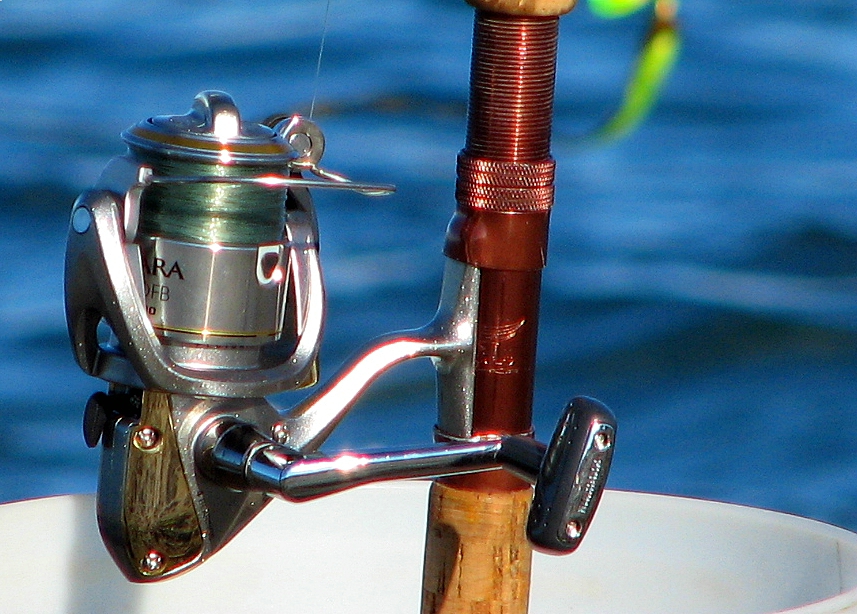
For the rod-and-reel method, the gear is refreshingly forgiving. A fishing rod around six feet long with a spinning reel is plenty. Go with heavier line so you can actually battle the fish, and don't feel pressured to buy expensive, the experience off a cheaper tackle setup is genuinely no different from a pricey one when it comes to catfish. This is one species where budget gear performs.

That said, the tackle is secondary; it's still the bait that brings the catfish in. A good rod just helps you land what your bait attracted. Keep a sturdy fishing net within reach for the bigger fish, because hand-landing a heavy catfish at the bank is how rigs get broken and fish get lost.
Landing one without getting finned
Here's the part that catches beginners off guard. Catfish have sharp fins, and some are mildly venomous, so a careless grab earns you a painful jab. Secure your grip, then remove the hook with pliers rather than your fingers. To hold the fish safely, slide your hand up its belly from the tail, settle your fingers behind one pectoral fin and your thumb behind the other, and you can lift it off the hook without harm to you or the fish.
That single technique, fingers and thumb behind the pectoral fins, is worth practicing until it's automatic, because it's the difference between a clean release and a trip to clean a wound. Match your method to the water, fish natural bait, chum when you can, handle the fish with respect, and catfishing rewards you about as reliably as any fishing there is.
Ready to shop? Compare fishing reel across stores →