The Beginner Fishing Kit: Matching Rod, Reel, Line, and Lure
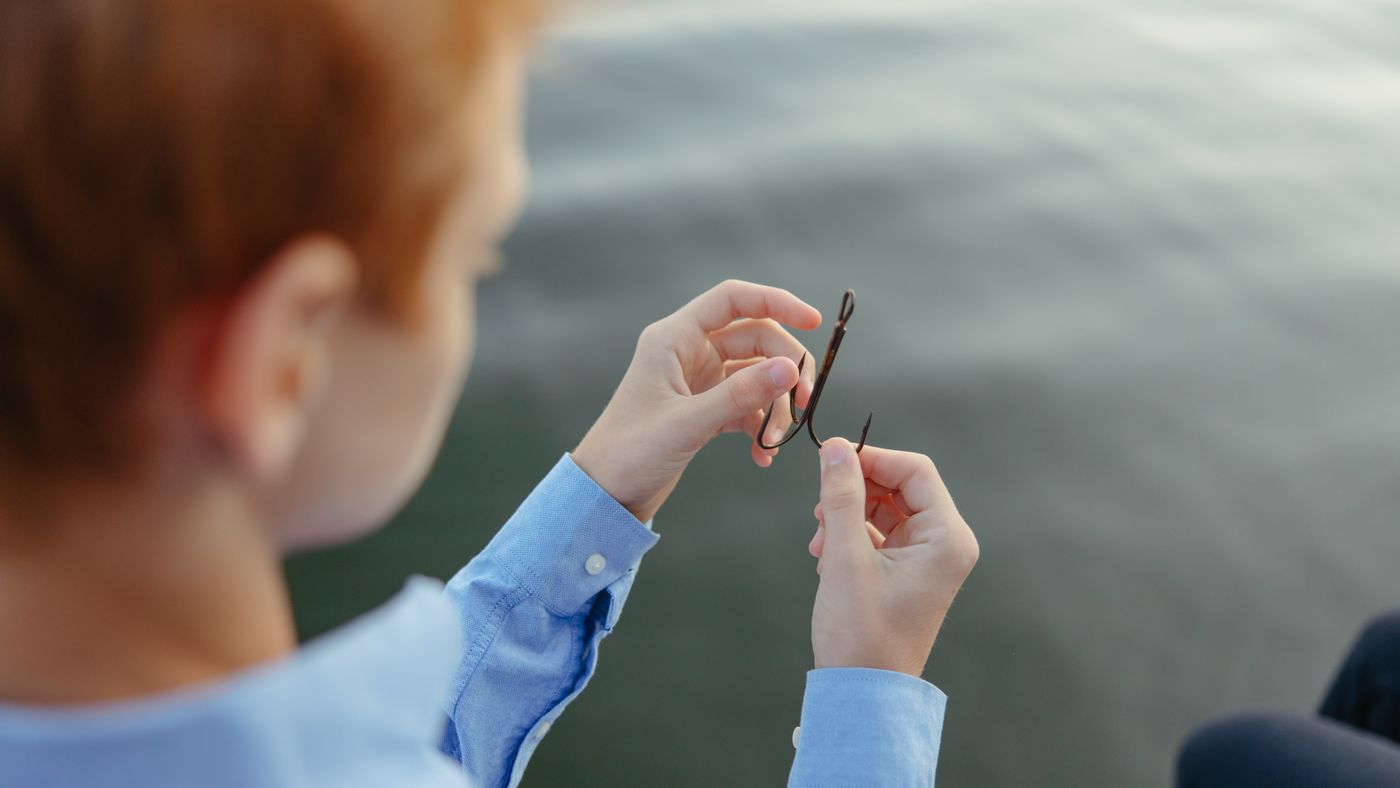
The single most common beginner mistake isn't buying cheap gear, it's buying mismatched gear. A great rod with the wrong reel and the wrong line is a worse setup than four modest pieces chosen to work together. Here's how to build a first kit that actually fishes well.
Before anything else, get your fishing license. That's not optional, it's the first item on the list. Once that's sorted, the whole job of assembling a beginner kit comes down to one idea: match the rod, the reel, the line, and the lure to each other and to your fishing technique. It's common sense more than expertise, and getting it right turns a frustrating day into a comfortable, enjoyable one. The good news is a complete starter setup runs only about $25 to $40 and lasts for years.
Picking a rod that fits your hand
When you shop for a fishing rod, focus on three things. First, the guides, the rings the line runs through along the rod. Second, the grip or handle, which comes in cork or foam and in different lengths, so handle a few and pick what's genuinely comfortable for you. Third, the reel seat, where the reel mounts. Comfort isn't a luxury here; you'll be holding this thing for hours, and a handle that fits your hand is a handle you'll fish well with.
Rods come as single pieces or as two-or-more pieces that assemble, just join the male and female ends and make sure the guides line up, which takes a minute and sometimes a little lubricant. When shopping, give the rod a gentle bend to feel its action. For a beginner, almost any rod around 6 feet and medium weight will work; it should be long, straight, and flexible enough not to snap easily. Graphite is the most popular material because it's remarkably light yet strong. If you're making long casts in moderate wind, a wispier rod up to about 4 meters helps.
Choosing line without the confusion
The fishing line wall is genuinely confusing, there are dozens of options and it's easy to overthink. Keep it simple. Most line is nylon monofilament, sold in spools of various lengths rated by "test." The thing to understand: the higher the test number, the thicker and stronger the line. For a basic beginner rig, a piece of 4-pound test, roughly 10 feet for your basic setup, is a fine starting point.

Don't agonize over exotic lines as a beginner. A reliable mono in a sensible test handles the fish a new angler is realistically catching, and it's forgiving of the inevitable mistakes. Spool it onto a spinning reel, which is the most beginner-friendly reel type, and you've got the heart of a working setup. Just remember to match the line's strength to the rod and the fish, not to the biggest number on the shelf.
When the reel turns into a bird's nest
Let me set an expectation, because it'll save you some frustration: at some point your reel is going to turn into a tangled mess, a "bird's nest" of looped, knotted line. It happens to everyone. Even experienced anglers deal with it now and then. It is not a sign you bought bad gear or that you're hopeless at this; it's just part of fishing.
When it happens, don't panic and don't yank. Patiently work the loops loose, and if it's truly hopeless, cut the snarled section off and re-tie. Matching a smooth fishing reel to your rod and not overfilling the spool cuts down on tangles, but it won't eliminate them entirely. Accept that, and the occasional bird's nest stops being a crisis and becomes a two-minute pause.
The complete kit checklist
Once you've matched rod, reel, line, and lure, round out the kit with the supporting gear that makes a day on the water smooth. You'll want a landing fishing net, a stringer for keeping fish, line clippers, a fishing knife, and a small first-aid box. Add a pail of bait, a tackle box to organize your hooks, weights, and fishing lures, plus sunglasses and a hat for the sun.

And don't laugh, but pack snacks. A long day fishing goes sideways fast when you're hungry and cranky, and the basics of a good outing include keeping yourself comfortable, not just rigged. A water-ready setup is as much about the angler as the angle.
The whole philosophy in one rule
If you remember nothing else, remember this: all the gear should match. The rod, the reel, the line, and the lure form a system, and the system only works when the pieces are sized to each other and to the fishing you're doing. A balanced $30 setup outfishes a mismatched $200 pile of premium parts every single time.
So secure your license, pick a comfortable medium-weight rod, match it with a beginner-friendly spinning reel and a sensible monofilament line, tie on a lure suited to your target, and pack the support gear and the snacks. That's a complete, capable first fishing kit for the price of a nice dinner, and it'll serve you for years while you learn the rest.
Ready to shop? Compare fishing rod across stores →