Women's Only Gyms: What the Experience Actually Offers Beyond the Marketing
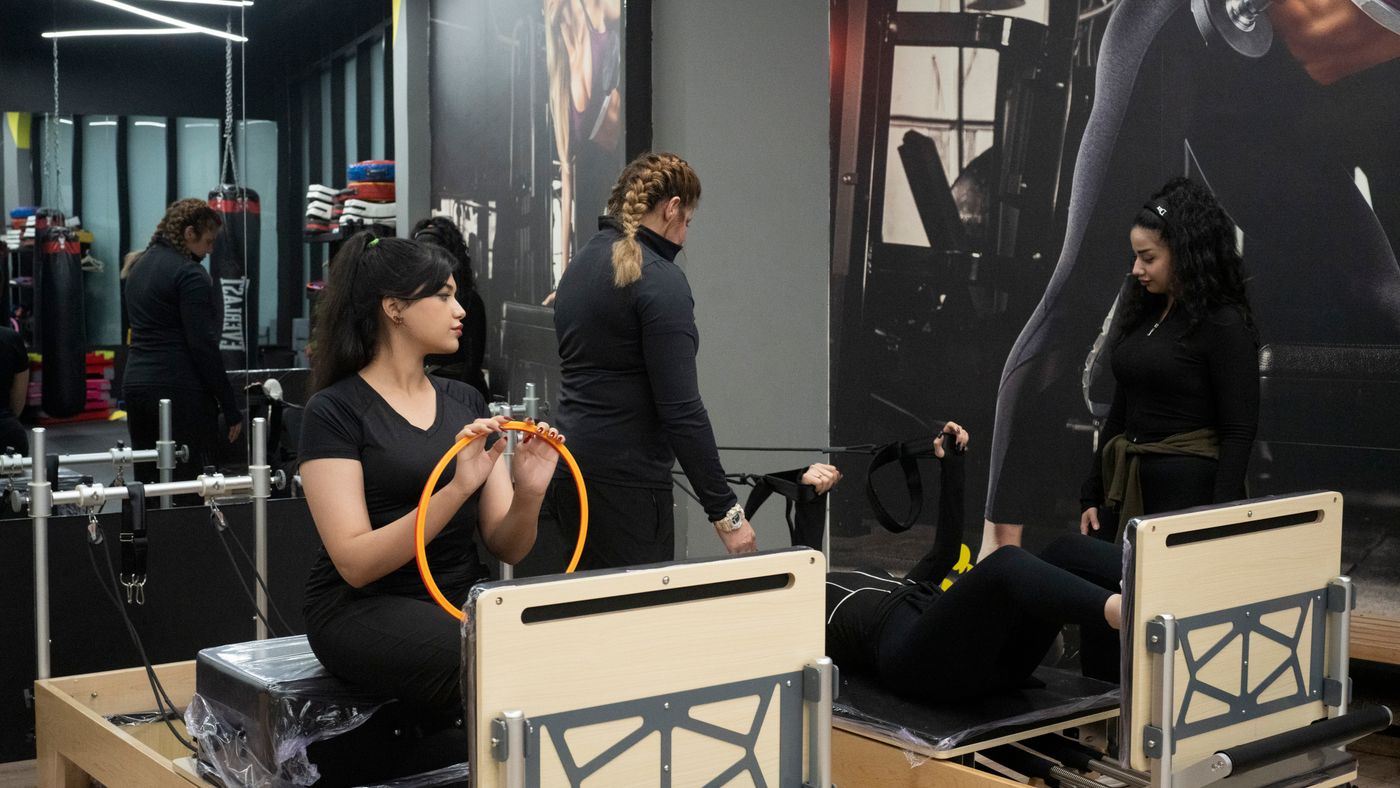
The women-only gym concept has been around long enough to move past novelty. Whether it's genuinely better for you depends on what specifically makes you comfortable exercising — and what makes you avoid it. For some people, the environment difference is marginal. For others, it's the difference between actually going and finding reasons not to.
The Atmosphere Difference Is Real
The most commonly cited benefit of women-only gyms is the absence of being watched or approached during workouts. This sounds minor until you've experienced the specific self-consciousness that comes from working hard, sweating, and not looking your best while someone who finds you attractive is clearly aware of your presence. Many women find this awareness changes how hard they work — they hold back, skip the more intense exercises, or simply don't go.
Women-only spaces remove that variable. The result, for people who were affected by it, is often that they work harder and enjoy the experience more. Research on exercise enjoyment and session intensity in women-only versus co-ed settings supports this pattern.
Programming Designed for Female Bodies
The second substantive advantage is programming specificity. Male and female bodies differ in relevant ways for exercise — different hormonal profiles affect recovery, different structural differences affect joint loading during particular movements, different aesthetic goals often motivate different training approaches. Classes and programs at women-only facilities are typically designed with these differences in mind.

This doesn't mean co-ed gyms can't serve women well — they can — but the default assumptions in programming, instruction, and equipment selection at co-ed facilities are historically calibrated for male bodies. Women-only spaces recalibrate those defaults. A quality gym bag with well-organized compartments makes the logistics of going to any gym substantially easier, which matters for consistency.
The Intimacy Factor
Many women-only gyms are smaller than major co-ed facilities, which creates a different social experience. Fewer members means more direct relationships with staff and trainers, less waiting for equipment, and a community feel that larger facilities can't replicate. For people motivated by social accountability — knowing the front desk staff will notice when you haven't been in — this dynamic can be genuinely motivating.
The downside of smaller facilities is occasionally limited equipment selection or fewer class time options. This is a real practical consideration for people with specific training goals that require equipment variety.

Finding the Right Fit
Like any gym, the right women-only facility is the one you'll actually use. A trial membership or guest pass before committing tells you more than any review. Pay attention to equipment variety, class schedule compatibility with your actual availability, and whether the staff culture is welcoming or transactional. A workout mat for home use supplements any gym membership and makes it easier to maintain consistency on days when getting to the gym isn't feasible.
What I'd Skip
I'd skip the assumption that women-only gyms are inherently better or worse than co-ed facilities. The right gym is the one that solves your specific barriers to consistency. If social discomfort is your main barrier, a women-only space may resolve it entirely. If your barrier is schedule flexibility or equipment access, a larger co-ed facility may serve you better. Evaluate your actual barrier first; then find the environment that removes it.
Ready to shop? Compare Health & Wellness across stores → 📚 Or browse health & wellness programs in Digital Goods →