
Strength Training for People Who Aren't Trying to Get Huge

Somewhere along the way, strength training got associated almost entirely with gym culture and bodybuilding — which meant a lot of people who would genuinely benefit from it never started. I was one of them until I understood that building muscle is less about aesthetics and more about keeping your body functional and your metabolism working in your favor.
What strength training actually does for non-athletes
Starting in your early twenties, you lose roughly half a pound of muscle per year without resistance training to counter it. That steady loss is a major reason why metabolism slows with age and weight becomes harder to manage. Each pound of muscle burns more calories at rest than an equivalent pound of fat — not a dramatic amount, but over years it compounds. Beyond metabolism, strength training reinforces bones, tendons, and ligaments, which is the difference between picking up something heavy and casually hurting your lower back versus doing it without a second thought. These are mundane, unsexy benefits that matter more in daily life than any aesthetic outcome.
What equipment you actually need
Very little. Bodyweight alone covers a significant range of exercises. When you're ready to add resistance, a set of adjustable dumbbells handles most muscle groups without requiring a gym membership. resistance bands are inexpensive, travel-friendly, and add progressive difficulty to exercises where bodyweight plateaus. For anyone serious about lower ab and core work, a doorframe-mounted pull up bar adds hanging exercises that no mat exercise can replicate. That's the whole setup for a genuinely useful home gym — under $150 total and zero monthly fees.
The form principles that prevent injury
The single most important thing in strength training isn't how much weight you're using — it's the tempo and form. Move through the contraction on a two-count, hold the peak briefly, release slowly on a four-count. If you need to jerk the weight or swing your body to complete a rep, the weight is too heavy. Start lighter than you think you need to and develop the motion first. The full range of motion matters more than the load: a full bicep curl from extension to full contraction builds more than a half-rep with twice the weight.
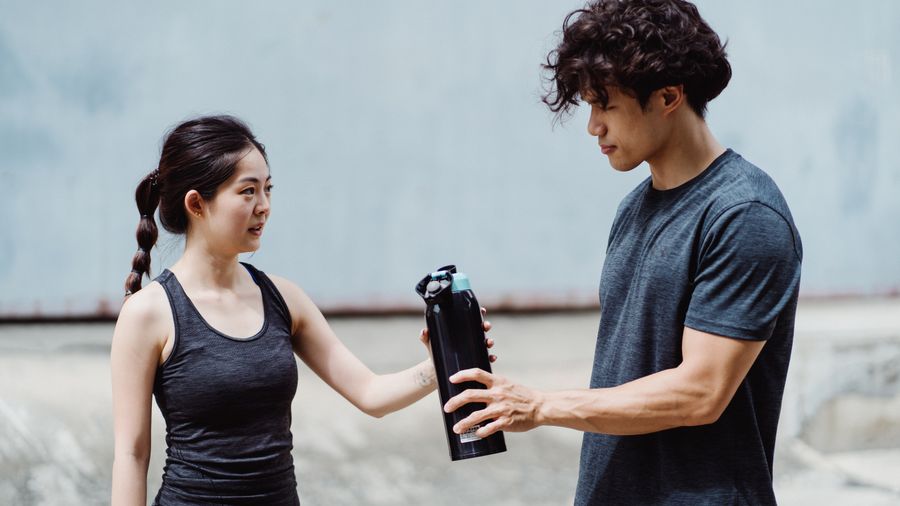
Breathe throughout — exhale during the exertion phase, inhale on the return. This sounds obvious but it's the most commonly skipped instruction, and holding your breath during resistance work spikes blood pressure unnecessarily.
Reps, sets, and rest — the practical approach
Choose a weight where you can complete eight reps with solid form but not comfortably complete twelve. That's your starting point. Do two or three sets with ninety seconds to two minutes of rest between them. When twelve reps stops being difficult, increase the resistance by about five to ten percent. Write it down — a cheap workout journal is genuinely useful for tracking where you left off across sessions and seeing progress over weeks.
The rest schedule matters: muscles rebuild during rest, not during the workout itself. Don't hit the same muscle group two days in a row. Alternate upper and lower body on consecutive days, or simply strength train every other day. One to two days of complete rest per week is enough to allow recovery without losing the habit. Most people need two to three resistance sessions per week to maintain strength and slightly more to build it. That's twelve to eighteen hours per month — less than most people spend on Netflix in a week.

What I'd skip
Pre-workout supplements, elaborate split programs designed for competitive bodybuilders, and gym machines that isolate one small muscle at the expense of the stabilizing work that makes you strong in real life. The compound movements — squats, rows, presses, hinges — build the functional strength that matters for daily activities, and they can all be done with adjustable dumbbells at home. Get strong enough to do everyday things without effort; everything beyond that is personal preference.
Ready to shop? Compare Health & Wellness across stores → 📚 Or browse health & wellness programs in Digital Goods →