

Herbal Ingredients for Weight Management: An Honest Look

Herbal weight loss products occupy a complicated space. They're not pharmaceutical drugs — the regulatory bar is lower, the evidence is thinner, and the marketing is frequently disconnected from what the ingredients actually do. That said, some plant-derived compounds have real metabolic effects worth knowing about. Distinguishing useful from wishful thinking requires looking at the mechanisms, not the claims.
What "natural" doesn't mean
Natural and safe are not the same thing. Senna, a common herbal laxative found in weight loss products, can cause dehydration, electrolyte imbalance, and bowel dependency when used beyond occasional constipation relief. Ephedra — used in herbal diet supplements for years — was banned by the FDA after being linked to heart attacks and deaths. "Derived from plants" is not the same as "without side effects."
This is why consulting a doctor before using any herbal weight loss product matters, particularly if you take medications. Plant compounds interact with drugs in ways that don't appear on product labels because the manufacturers often haven't tested for interactions.
Compounds with at least partial evidence
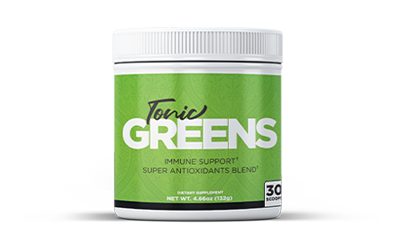
Green tea extract — specifically the catechin EGCG combined with caffeine — has modest evidence for a small increase in metabolic rate. The effect isn't dramatic (maybe 80 extra calories per day), but it's real. A quality green tea extract supplements from a reputable brand is a reasonable addition to an already-healthy routine. Not as a replacement for diet and exercise, but as a genuine if modest supplement.

Hoodia Gordonii was heavily marketed in the 2000s as a hunger suppressant. The active compound P57 does appear to affect appetite signaling in some studies, but the real-world effect in commercially available products is inconsistent because the compound degrades quickly and dosing is poorly standardized in most supplements.
The dosage and quality problem
Even when a herbal ingredient has real evidence, the commercial products containing it vary enormously in actual dosage and purity. Proprietary blends list ingredients without amounts, making it impossible to know whether you're getting a therapeutic dose or a trace. Looking for products that list specific milligram amounts per ingredient and have third-party testing certification is the minimum standard for knowing you're getting what you're paying for.
What these products can't replace
No herbal supplement addresses the behavioral and dietary patterns that drive weight gain. They can potentially give marginal support to a program that's already working — better appetite control, slightly elevated metabolism, improved energy for exercise. They cannot function as the primary intervention. Products positioned as alternatives to diet and exercise are selling a premise that doesn't hold up.

What I'd skip
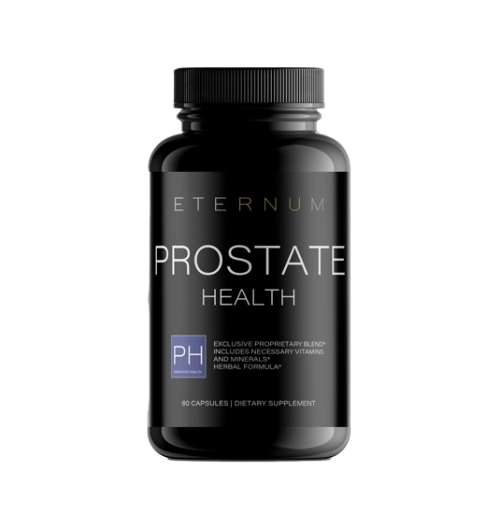
I'd skip anything using "proprietary blend" language that hides dosages. I'd skip products with long ingredient lists that seem designed to impress rather than treat a specific mechanism. And I'd skip the products that lead with celebrity endorsements and testimonials rather than ingredient evidence.
The honest view: a few plant-derived compounds have modest legitimate effects on metabolism or appetite. Most herbal weight loss products are more marketing than medicine. Use them as a potential minor adjunct to a real plan, not as the plan itself.
Ready to shop? Compare Health & Wellness across stores → 📚 Or browse health & wellness programs in Digital Goods →