Calorie Counting: How and Why It Actually Works
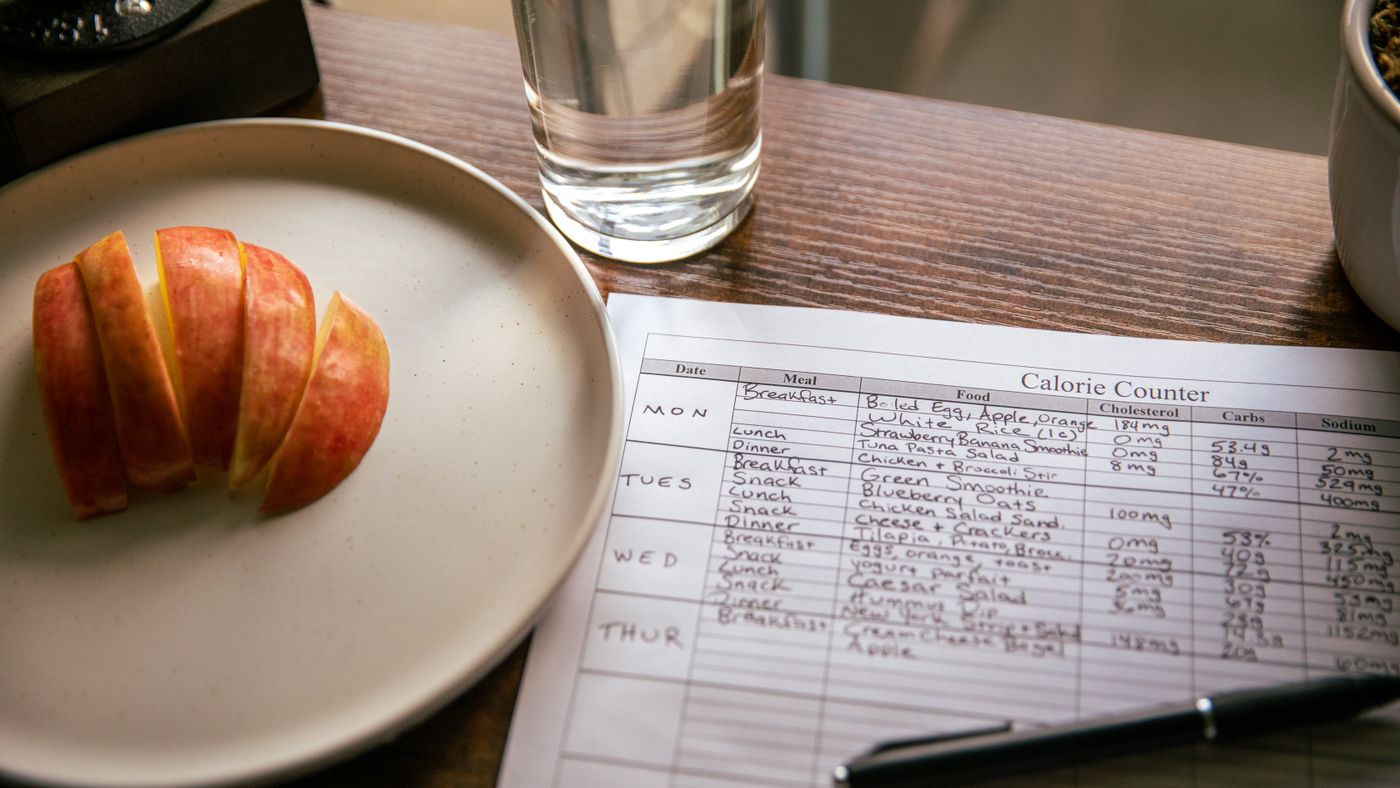
I resisted calorie counting for years because it seemed tedious and anxiety-inducing. When I finally tried it properly — not obsessively, but as an honest audit — the results were more useful than anything else I'd tried. The main thing I learned is that I had almost no accurate sense of what I was actually eating, and neither does almost anyone else.
Why calorie counting works
All diet approaches reduce to the same underlying mechanism: eating fewer calories than you burn. The specific frameworks — low fat, low carb, paleo, Mediterranean — all work by creating this deficit through different food restriction strategies. Calorie counting makes the mechanism explicit rather than hiding it behind a food category rule. That transparency is both its strength and the reason some people find it uncomfortable.
The practical advantage is flexibility. Instead of being prohibited from a specific food, you're working with a daily budget. A small indulgence that fits within the budget is fine. This is psychologically very different from a diet with forbidden foods, where any deviation feels like failure and often triggers complete abandonment.
The tool itself
A food calorie counter — whether a book, an app, or a website — tells you two things: caloric content and serving size. The serving size information is often more revealing than the calorie number. Most people are not eating one serving of the foods they eat regularly — they're eating 1.5 or 2, which doubles the calorie count they'd calculate from the label.
A kitchen scale is the most accurate way to resolve portion uncertainty. Weighing food rather than eyeballing portions eliminates the source of most calorie counting errors. Even experienced calorie counters underestimate portions by 20-50% when estimating visually rather than measuring. The scale doesn't need to be a permanent habit — a few weeks of accurate measurement calibrates your visual estimates significantly and the accuracy persists long after you stop measuring every portion.

What the audit usually reveals
When I ran a genuine food audit — writing down and looking up every calorie for a week — the surprises were consistent across multiple people I've compared notes with. Drinks are almost universally undercounted. Coffee drinks, juices, sports drinks, and alcohol are rarely included in people's estimates but can represent 300-600 calories per day. Cooking oils and condiments are the second category — a tablespoon of olive oil adds 120 calories and is often poured generously rather than measured.
A food diary notebook for the audit period forces real-time recording, which is significantly more accurate than end-of-day memory recall. Discovering that your afternoon coffee is 450 calories rather than negligible, or that the salad dressing on your "healthy lunch" is 250 calories, allows you to make targeted substitutions rather than vague restrictions.
Liquid calories
The research on liquid calories is consistent: they don't register in satiety signals the way solid food does. You can drink 500 calories of juice or soda and feel essentially as hungry afterward as before. Replacing caloric drinks with water, plain sparkling water, or unsweetened tea typically removes several hundred daily calories with minimal effort and no significant hunger effect. A large reusable water bottle makes staying on plain water practical.
Maintaining the habit long-term
Tracking every calorie forever isn't the goal — the goal is developing accurate intuitive sense of what you're eating so you don't need to track. Most people who use calorie counting effectively do it intensively for 4-8 weeks, develop calibrated intuition, then track periodically when they notice weight creeping up. The tool is most valuable as a feedback mechanism, not a permanent constraint.

What I'd skip
I'd skip tracking every calorie to the gram as a permanent daily practice — that level of precision creates anxiety without proportional accuracy improvement. I'd also skip using the data to restrict to an unhealthily low number. The goal is understanding what you eat, then making adjustments, not minimizing calories for their own sake.
The bottom line: calorie counting is the most reliable tool for understanding your actual diet. Used as an audit rather than a permanent constraint, it produces insight that no other single intervention matches. The key is honest, complete recording for a defined period — not a lifelong obsession.
Ready to shop? Compare Health & Wellness across stores → 📚 Or browse health & wellness programs in Digital Goods →