
Building a Weight Loss Exercise Routine from Scratch
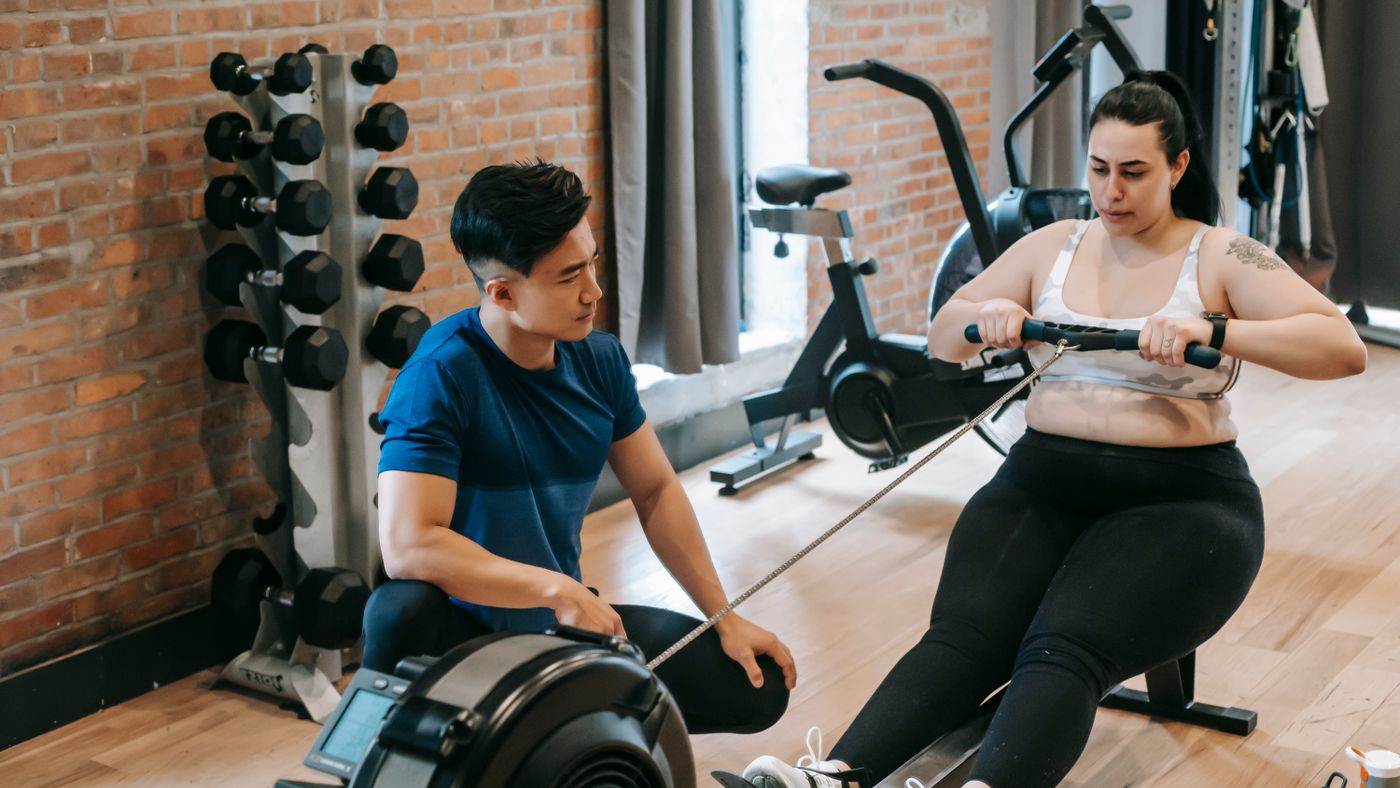
Most exercise advice assumes you either know what you're doing or have unlimited time and access to a gym. The gap between "I should exercise more" and "I have a routine I actually follow" is where most people live. Here's how to close that gap practically.
The cardio foundation
Any exercise routine aimed at weight loss needs a cardiovascular component. This is non-negotiable because cardio is where the direct caloric burn happens. The form doesn't matter much — walking, running, cycling, swimming, rowing, elliptical — but the effort needs to be sustained for at least 20 minutes at a heart rate that represents genuine aerobic work. For most people starting out, that's roughly the pace where you can speak but not comfortably hold a full conversation.
Starting with three 20-minute sessions per week is manageable and meaningful. As fitness improves over weeks, you add duration, frequency, or intensity. A fitness watch with heart rate monitoring makes it easy to confirm you're in the right zone rather than guessing. running shoes appropriate for your gait reduce injury risk substantially for anyone taking up jogging or walking as their main modality.
Adding weight training
Weight training doesn't need to be the centerpiece of a weight loss routine, but it should be part of it. The metabolic benefit — increased resting calorie burn from added muscle mass — accumulates over months and compounds in ways that pure cardio doesn't. Two to three sessions per week of 30 minutes is enough to produce meaningful results without dominating your schedule.
You don't need a full gym setup. resistance bands cover most functional movements. A pair of adjustable dumbbells at home lets you do a complete upper-body and lower-body program without ever leaving. The key movements to include: a squat or lunge pattern, a push pattern (push-up or press), a pull pattern (row or pull-down), and a hinge pattern (deadlift variation). These hit the major muscle groups and produce the systemic hormonal response that drives muscle development.

Varying the routine over time
Your muscles adapt to any repeated stimulus over six to eight weeks, after which the same work produces less adaptation. Varying the routine — adding weight, changing exercises, altering tempo, switching from strength to circuit format — maintains the stimulus and prevents both physical plateaus and boredom. This is a legitimate reason to occasionally try something new rather than a sign that the old approach failed.
Variety also helps with adherence. If you've been running and the routine is feeling stale, a month of cycling or swimming can refresh the habit without losing the cardiovascular base you've built. yoga mat for a flexibility and bodyweight strength session is a good complement to heavier training days.
Making it consistent
Consistency is the primary variable in any exercise program's effectiveness. A good routine executed irregularly produces modest results. A mediocre routine done consistently produces meaningful results. The practical implications: schedule specific times for sessions and treat them like appointments. Have a backup plan for days your primary option isn't available. Start with a frequency you can genuinely maintain rather than an aspirational one.
The diet-exercise connection matters here too. As you build an exercise habit, you'll notice that your energy for workouts is directly affected by what you ate and how much you slept. This creates a natural feedback loop where the habit of exercising makes you want to sleep better and eat better, which makes exercise easier. The whole system reinforces itself once you're past the initial friction.

What I'd skip
I'd skip planning the optimal routine before starting one. Any reasonable plan executed consistently is better than an optimized plan you haven't started. I'd also skip the instinct to copy programs designed for elite athletes or bodybuilders — those have different goals and different starting points than someone building a weight loss routine from scratch.
The bottom line: a weight loss exercise routine needs cardio three times per week, resistance training two to three times, and consistent execution. Build up slowly from wherever you are, choose modes you can tolerate, and treat consistency as the metric that matters most. Everything else is refinement.
Ready to shop? Compare Health & Wellness across stores → 📚 Or browse health & wellness programs in Digital Goods →