Acupuncture for Arthritis: What It Is and What to Expect
Acupuncture comes up constantly in conversations about arthritis pain, and it tends to draw two reactions: quiet hope and open skepticism. Both are fair. Here's an honest look at what it actually is, what the evidence says, and how to approach it if you're curious.
Acupuncture is an ancient Chinese practice aimed at restoring the body to a healthier balance. The idea is that energy flows through the body along specific pathways, and that by targeting particular points, a practitioner can help that flow move properly again. You don't have to buy the underlying philosophy wholesale to wonder whether it might help your joints, and plenty of people have wondered exactly that.
What the research suggests
The most encouraging signal comes from studies on osteoarthritis of the knee. In one trial involving more than 500 older adults with knee osteoarthritis, some received real acupuncture and others a sham version, with treatment continuing for six months. By the end, the people who'd had real acupuncture reported less pain and better mobility than the sham group.
Worth being honest about: they weren't pain-free, the improvement was a reduction rather than a cure, and skeptics rightly point out that results across studies are mixed. But for a low-risk approach, a meaningful drop in pain and a gain in movement is nothing to dismiss. If conventional measures aren't getting you all the way there, it's a reasonable thing to explore alongside, not instead of, your regular care.
How a session actually works
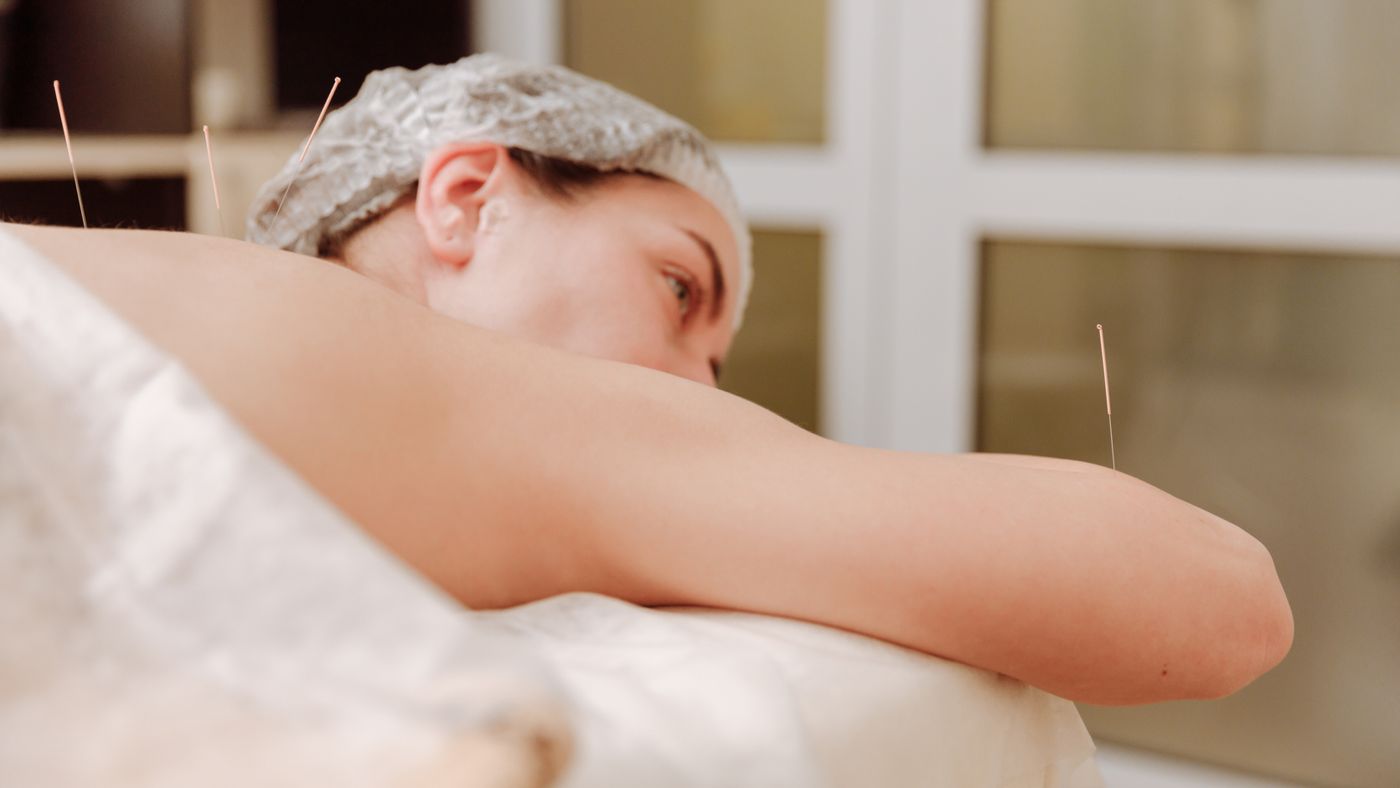
The practitioner identifies specific points on the body and inserts very thin needles into them, with the aim of restoring or unblocking energy. If you've ever watched it done, you'll have noticed the needles go in at different depths. Shallower points and deeper points correspond to different effects in the tradition, and an experienced acupuncturist maps them with care.

Once the needles are placed, the practitioner may manipulate them gently by hand, or stimulate them with a small electrical current. Most people find the sensation surprisingly mild, often just a faint dull ache or warmth rather than the sharp pain you might brace for. Sessions are usually calm and quiet, and many people find the experience itself relaxing.
Choosing a practitioner
This matters more than almost anything else. Look for someone properly licensed and credentialed, who uses sterile single-use needles and takes a careful history before treating you. Don't be shy about asking how much experience they have with arthritis specifically. A good practitioner will welcome the questions and won't promise miracles.
Be wary of anyone who tells you to abandon your existing treatment. The sensible framing is acupuncture as a complement to your overall plan. Keep your doctor in the loop, and mention any other approaches you're using, including joint pain supplements or topical products, so your whole care picture stays coherent.
What a first visit looks like
If you've never been, the unfamiliarity is often the biggest barrier, so here's roughly how it goes. A good first session starts with a thorough conversation: your history, where it hurts, how it behaves, what makes it better or worse. The practitioner may look at your tongue and feel your pulse, which are traditional diagnostic steps in Chinese medicine. Only then do they decide where to place the needles.
You'll lie down, the points are cleaned, and the thin needles go in, often in the limbs and around the affected joints, sometimes in places that seem unrelated to where you hurt. Then you rest with them in for twenty to forty minutes, frequently the most relaxing part. Afterward you might feel pleasantly loose, a little tired, or simply calm. Most people need a series of sessions, often weekly to start, before they can judge whether it's helping, so don't write it off after a single visit.

Supporting it at home
Acupuncture isn't the only tool in the natural-relief drawer, and it tends to work best as part of a broader routine. Many people pair it with gentle warmth from a heated joint wrap, with support from arthritis compression gloves for stiff hands, or with a tens unit for pain relief between sessions. Simple comforts like a warm compress for joints in the evening can extend the calm a treatment brings.
Give it a fair trial before you judge it. Like a lot of natural approaches, the benefits may build over several sessions rather than arriving all at once. Track how you feel in a simple journal, the same way you would with any treatment, so you can tell whether it's genuinely earning its place. Acupuncture is one option among several for arthritis pain. Approached sensibly, with a qualified practitioner and realistic expectations, it's a low-risk thing to try.
This article is for general information and is not medical advice. Talk to a healthcare professional before adding acupuncture or any new therapy to your routine.
Ready to shop? Compare arthritis compression gloves across stores → 📚 Or browse health & wellness programs in Digital Goods →