Winter Driving Readiness: Tires, Battery, Visibility and a Kit

Cold weather is hard on a car the same way it's hard on a house — engines that won't turn over, tires that lose their grip, a body that starts to rust. I learned to take it seriously the night my battery died in a parking lot at fifteen degrees. Now I prep the car every fall, and the focus is simple: stay safe and don't get stranded.
Winterizing a vehicle isn't one big job, it's a handful of small checks. Each one targets a specific way winter can leave you stuck or in a crash. Here's the rundown that actually matters.
Traction comes first
Bad roads punish worn tires. If your tread's gone, braking, accelerating, and steering all get sketchy on slick surfaces, and that's how crashes happen. A set of winter tires won't make you invincible, but the traction they add on snow and ice over regular tires is genuinely the biggest safety upgrade you can make.
Pressure matters as much as tread. Properly inflated tires keep full contact with the road and shrug off potholes that would otherwise damage an underinflated tire. Cold air drops your pressure, so check it once the temperature falls — a cheap tire pressure gauge in the glovebox pays for itself the first time it catches a soft tire.

Match your oil and coolant to the cold
Engine oil behaves differently by temperature. In winter cold, thick oil doesn't circulate well, so you generally want a lower-viscosity oil — but not too thin, either. Your owner's manual tells you exactly what weight to run for cold weather, and it's worth checking rather than guessing.
Coolant is the other fluid to mind, because cold makes parts brittle and corrosion builds quietly in a neglected cooling system. The system should be checked every couple of years or per your manufacturer's schedule, and the coolant itself needs the right antifreeze-to-water mix for your climate. A bottle of engine antifreeze and a glance at the manual keep this from biting you.
You can't drive what you can't see
Visibility is essential in any weather and critical in winter. Inspect the wipers — if they're more than a year old, replace them, because cracked blades smear instead of clear. A fresh set of windshield wipers is a few dollars and a huge difference in a squall. Top off the washer fluid too; running dry behind a salt truck is genuinely dangerous.
Check that every light works, not just so you can see, but so oncoming traffic can see you in the gloom and snow. And keep some de-icer spray or glycerine handy for frozen locks — keep a bottle in the garage and one in the glovebox so a frozen lock isn't what makes you late.

Test the battery before it tests you
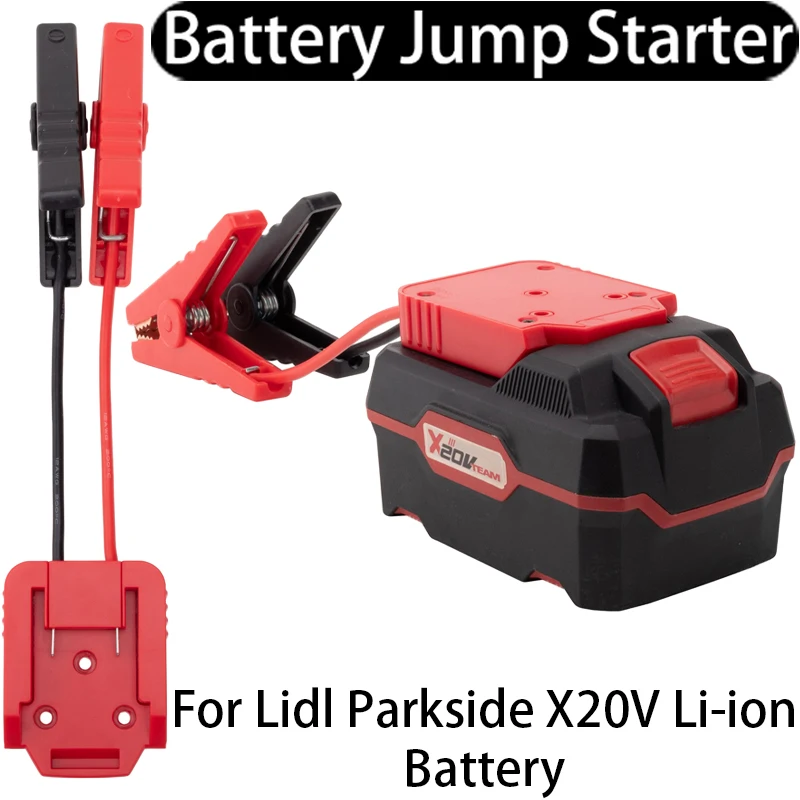
Cold weather can cut your battery's capacity by as much as half, which is exactly why dead batteries are a winter cliché. If yours is more than about three years old, get it tested before the cold hits rather than discovering its limits in a parking lot. A set of jumper cables or a portable jump starter in the trunk turns a stranding into a five-minute fix.
Pack the trunk for the worst case
Winterizing the car doesn't remove all danger — getting caught in a snowbank or a storm still happens, and being prepared is what gets you through it. Beyond a spare and basic tools, stash the survival stuff: blankets, boots, a radio, extra oil and coolant, a flashlight. A pre-built winter car emergency kit covers most of it in one box, and it's the thing you hope to never open and are deeply grateful for when you do. Prep the car, pack the trunk, and winter roads stop being a gamble.
Ready to shop? Compare winter car emergency kit across stores → 📚 Or browse home & garden guides in Digital Goods →