
Hydroponics for Beginners: Growing Without Soil, Explained Simply

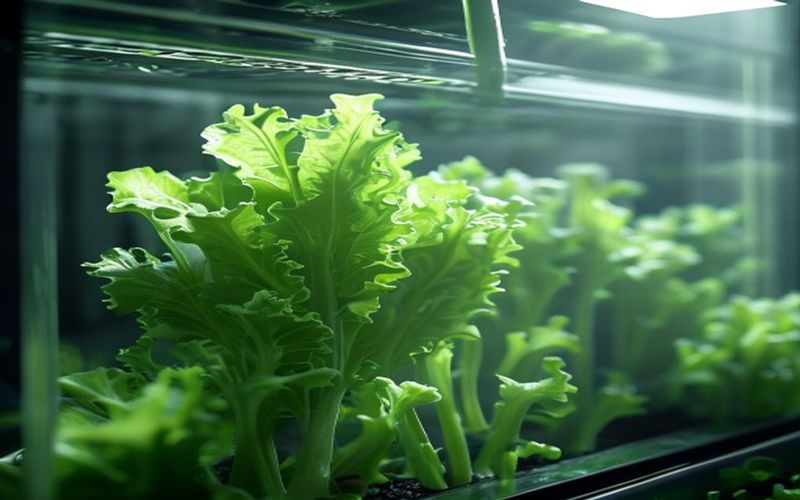
The word "hydroponics" scares people off, and it shouldn't. It comes from the Greek for "water working," and that's all it is — growing plants with their roots in a nutrient-rich water solution instead of soil. Same light, same water, same care; you just lose the dirt and the weeding.
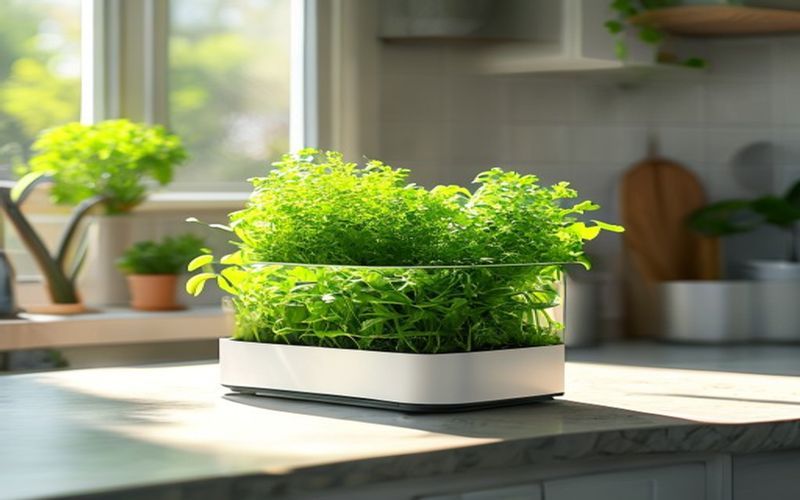
I started with a countertop herb unit because my kitchen window is north-facing and useless for growing. Three weeks later I was cutting basil faster than I could use it. Once you see how forgiving it is, the mystique disappears.
What plants actually need (with or without soil)
Every plant wants the same five things: light, water, the right temperature, humidity, and nutrients. In a normal garden, soil delivers most of that. In hydroponics, a soil substitute just holds the roots in place while the water carries everything the plant eats. That's the entire concept.
The four things to get right
Nutrients and pH. The nutrient solution is the plant's whole diet, so it matters. After diluting, keep it at a pH of roughly 5 to 6 — a cheap pH testing kit or a digital pH meter checks it in seconds. Drift too far and the roots can't absorb what's in the water, even though it's right there.
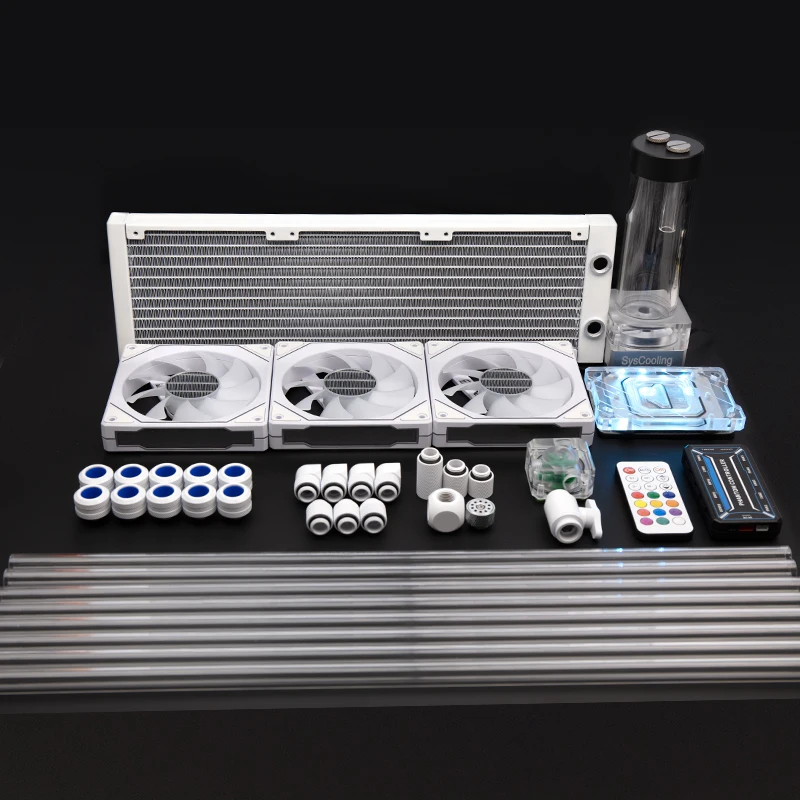
Watering rhythm. Roots in a hydroponic system usually get fed more than three times a day, which is why almost everyone automates it with a small water pump and timer. Set it once and the system runs itself.
Light. Give plants a bright spot, or replace the sun with a grow light. High-pressure sodium bulbs and modern full-spectrum LED panels both work; LED runs cooler and cheaper for a home setup.
Temperature and humidity. Indoors, most plants are happiest around 71–76°F (tropicals like it warmer). A little humidity helps — as the room warms, the air holds the moisture the leaves want. A cheap thermometer-hygrometer takes the guesswork out.
Why people get hooked
No soil means no digging and no weeds. The system can be fully automated, so a week away doesn't kill everything. The water recirculates instead of draining away, so it's surprisingly efficient. And the yields are fast and clean — leafy greens and herbs especially thrive. For a small space, an apartment, or a north-facing window, it quietly outperforms a pot of dirt.
What I'd skip
Skip building an elaborate DIY system as your first project — start with an inexpensive countertop hydroponics kit, learn the rhythm on herbs or lettuce, then scale up if you love it. Skip trying to grow heavy fruiting plants (full-size tomatoes, melons) on a beginner countertop unit; greens and herbs are where the easy wins are. And don't ignore the pH meter to save twenty dollars — it's the difference between thriving and mysteriously stalling.
The honest answer
Hydroponics is ordinary gardening with the hardest, messiest part removed. Get a small kit, keep the solution at pH 5–6, give it light, and let the pump do the work. It's the most forgiving way I know to grow fresh food in a space that has no business growing anything.
Ready to shop? Compare countertop hydroponics kit across stores → 📚 Or browse home & garden guides in Digital Goods →