How to Make Your Home More Environmentally Friendly

Making improvements to your home is rewarding on its own — you turn your space into somewhere you enjoy more and more. But many improvements do double duty: they make your home more efficient, and often more environmentally friendly at the same time, which is good for the planet and your wallet. Going green at home doesn't require a complete overhaul or a fortune; many of the most effective changes are simple and affordable, paying for themselves over time in lower bills. Here are practical ways to make your home a greener, more efficient space.
Switch to efficient lighting
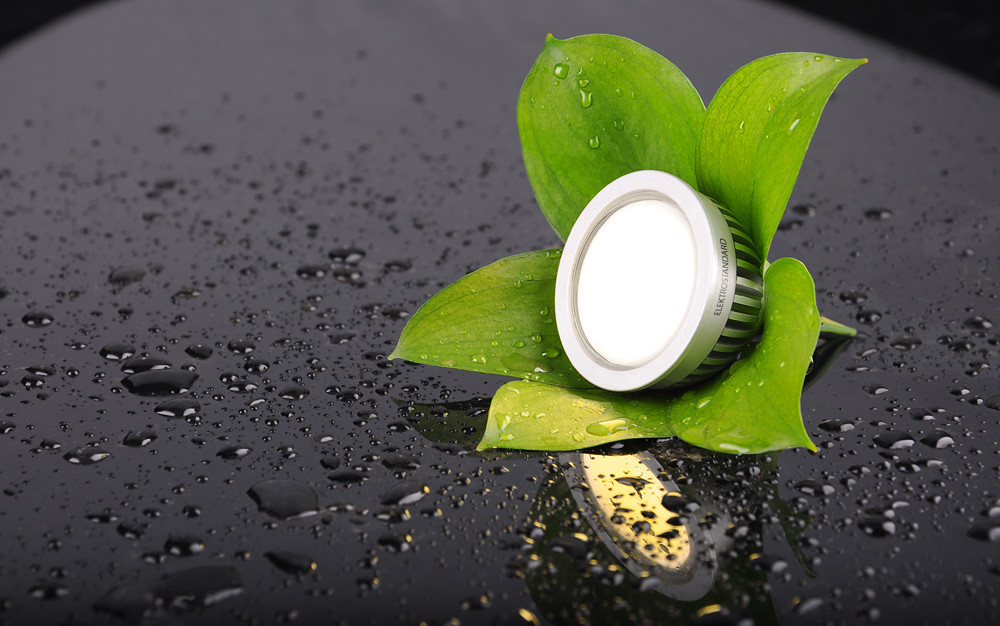
One of the simplest and most affordable green changes is switching your bulbs to energy-efficient LEDs (the modern successor to CFLs). They use a fraction of the energy of traditional incandescent bulbs and last dramatically longer, so you're making a green choice and saving money at once. The upfront cost is a bit higher, but the long-run savings far outweigh it. If you don't want to replace every bulb at once, buy a LED light bulb or two each time you shop and gradually swap them out — the expense becomes barely noticeable while your home grows steadily more efficient. It's the easiest green win there is.
Save water
Reducing water use is great for the environment and your water bill. Install low-flow showerheads and faucet aerators (a low-flow showerhead cuts water use significantly with no real loss of comfort), fix leaks promptly (a dripping faucet wastes a surprising amount over time), and consider a dual-flush or efficient toilet. Outdoors, water your garden wisely and consider collecting rainwater. These changes are inexpensive and easy, and they add up to meaningful water savings. Conserving water is one of the most accessible ways to make your home greener, with immediate savings you'll see on every bill.
Improve your heating and cooling efficiency
Heating and cooling typically account for the biggest chunk of a home's energy use, so improving their efficiency makes the biggest green difference. A smart thermostat automatically reduces heating and cooling when you're asleep or away, saving energy without sacrificing comfort. Sealing drafts around doors and windows with weatherstripping and caulk keeps conditioned air in, and adding insulation (especially in the attic) pays for itself over time. Together these reduce energy waste substantially, lowering both your carbon footprint and your bills. Tackling heating and cooling efficiency delivers the most impact for your effort.
Reduce energy waste from appliances and electronics
Appliances and electronics quietly drain energy, so address them too. When appliances wear out, replace them with energy-efficient models (look for efficiency ratings), which use far less power over their lifetime. Tackle "phantom" or standby power — many devices draw electricity even when off — by using smart power strips that cut power to idle electronics, or simply unplugging things you rarely use. Run dishwashers and washing machines with full loads and in eco modes, and wash clothes in cold water where you can. These small habits and choices reduce wasted energy across your whole home, adding up to real savings and a lighter footprint.
Use eco-friendly materials and products
When you do home projects or shop for your home, choosing greener materials and products extends your environmental impact. Low-VOC paints improve indoor air quality, sustainable or reclaimed materials reduce environmental harm, and durable products that last longer mean less waste over time. For cleaning, eco-friendly or homemade cleaners reduce harsh chemicals going down the drain. Even small choices — reusable rather than disposable, durable rather than throwaway — compound over time. Being mindful of what you bring into and use in your home is a steady, ongoing way to make it greener beyond the big one-time upgrades.
Reduce, reuse, recycle, and compost
Good waste habits are a cornerstone of a green home. Set up easy systems for recycling and composting — a kitchen compost bin turns food scraps into garden gold while keeping waste out of landfill. Reduce what you consume and reuse what you can before discarding it. These habits cut the waste your household sends to landfill and, in the case of composting, give back to your garden. Making recycling and composting convenient (with the right bins in the right places) is what makes the habit stick. It's a simple, everyday way every member of the household can contribute to a greener home.
Consider bigger green upgrades over time
As budget allows, larger green investments deepen your home's efficiency. Energy-efficient windows reduce heat loss dramatically, solar panels can generate clean electricity (and reduce or eliminate power bills over time), a more efficient heating system or heat pump cuts energy use, and better insulation pays back for years. These cost more upfront, but many offer strong long-term savings and a much lower environmental footprint, and incentives or rebates often offset the cost. You don't have to do them all at once — tackle the affordable changes first, then add bigger upgrades over time as part of an ongoing journey toward a greener, more efficient home.

What I'd skip
Skip sticking with energy-guzzling incandescent bulbs — LEDs save money and energy quickly. Skip ignoring drafts and insulation, where much heating and cooling energy escapes. Skip leaving electronics drawing standby power needlessly. And skip thinking you need to do everything at once; start with the cheap, high-impact changes and build from there.
The honest answer
Making your home environmentally friendly is good for the planet and your wallet, and most of it is affordable and easy: switch to LED lighting, save water with low-flow fixtures, improve heating and cooling efficiency with a smart thermostat and better sealing, cut appliance and standby energy waste, choose eco-friendly materials, and build good recycling and composting habits. Add bigger upgrades like efficient windows or solar over time as budget allows. Start with the simple, high-impact changes, and your home grows steadily greener and cheaper to run — proof that doing right by the environment and saving money go hand in hand.
Ready to shop? Compare LED light bulb across stores → 📚 Or browse home & garden guides in Digital Goods →