


Losing Weight With Diabetes: What Kept My Blood Sugar Steady

The first time I tried to lose weight after my Type 2 diagnosis, I did everything the magazines said and felt worse than when I started. Skipped meals, my sugar crashed at 3pm. Cut carbs to zero, my energy disappeared. It took me a humbling year to learn that weight loss with diabetes is a different game with different rules.
I want to be clear before I say anything else: I am not a doctor, and nothing here is medical advice. Diabetes is serious, and the single smartest thing I did was sit down with mine before I changed a thing. If you have this disease, your plan is between you and your physician. What follows is just one person's experience, offered in case it's useful.
The doctor conversation I almost skipped
I nearly started a crash diet on my own. I'm glad I didn't. Type 1 and Type 2 are not the same condition, and even within Type 2, everyone's blood sugar responds differently. A plan that's harmless for one person can be genuinely dangerous for another, especially when medications are involved. My doctor adjusted one of my prescriptions the moment I told her I was cutting calories, because the old dose would have dropped me too low. That one conversation may have saved me a hospital visit.
I measured more than the scale
Ordinary dieters watch one number. I had to watch two. Losing weight is the goal, but keeping blood sugar in range is the non-negotiable that runs alongside it. So I tested far more often than usual in those first weeks, partly to catch a low before it caught me, and partly because the readings told me whether the diet was actually working. A cheap notebook and a reliable glucose monitor became the most honest feedback loop I've ever had. The numbers don't flatter you and they don't lie.

Carbohydrates: not the enemy, but the variable
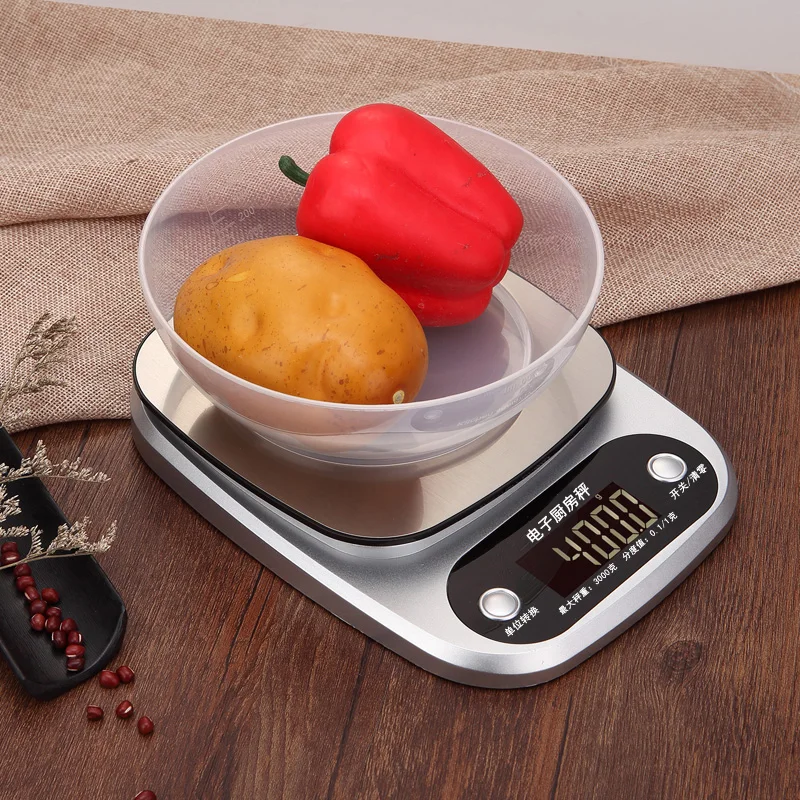
The biggest myth I bought into early was "carbs are bad." They're not bad. They're the lever. Carbohydrates are the macronutrient that moves my blood sugar most, so the question was never whether to eat them but which ones and how many. Fast sugar, white bread, anything sweet, sent me spiking. Slow-absorbing carbs behaved themselves: dark leafy greens, whole-grain pasta, sweet potatoes, beans. Same carbohydrate label, completely different ride. I started weighing portions on a kitchen food scale because my eyeballed "one serving" of rice was reliably double the real thing.
To count consistently I kept a running log in a carb counting book, which sounds tedious and is, but tedious is what kept me steady. After a few weeks I could predict a reading before I tested it, and that predictability is the whole point.
The drink I had to quit cold
Soda had to go, all of it. Regular soda spikes blood sugar hard and fast, which I expected. What surprised me was that diet soda wasn't the safe swap I'd assumed. The artificial sweeteners messed with my appetite and, for me at least, did me no favors. Water became my default, and I stopped pretending that was a sad outcome. A insulated water bottle on my desk meant I actually drank it instead of reaching for something sweet out of boredom. Zero calories, no spike, and my body is mostly water anyway.
Exercise did double duty
Here's the part that genuinely shocked me: moving my body didn't just burn calories, it helped regulate my blood sugar on its own. A short walk after dinner blunted the post-meal rise more reliably than any single food choice. So I aimed for something every day, even fifteen minutes. A walk, the bike, dancing around the kitchen, it all counted. I tracked the streak with a fitness tracker not because I needed the data, but because seeing the chain unbroken kept me honest on lazy evenings.

I added resistance work twice a week with a set of resistance bands and later some light adjustable dumbbells. Building a little muscle helped on both fronts, more calories burned at rest and steadier sugar over time. Nothing heroic, just enough to feel stronger.
The honest bottom line
Diabetes turned weight loss from a vanity project into a health necessity, and oddly that made it easier to stay serious. The pounds came off slower than I wanted, but my readings improved, my energy stabilized, and I stopped fearing the afternoon crash. None of it was clever or fashionable. It was a doctor, a monitor, slow carbs, water, and a daily walk. If you're in the same boat, talk to your physician first, measure both numbers, and give it the patience it deserves.
Ready to shop? Compare kitchen food scale across stores → 📚 Or browse fitness programs & plans in Digital Goods →