Do I Really Need Six Small Meals a Day? I Tested It

For a month I set alarms to eat every three hours, six small meals a day, because the internet promised it would keep my metabolism roaring. Then I ran a plain three-meals-a-day month for comparison. The difference in fat loss was, honestly, nothing.
This is my own n-of-one experiment, not medical advice. But it cured me of one of the most repeated bits of fitness lore, the idea that meal frequency itself is a fat-burning lever.
The promise I bought into
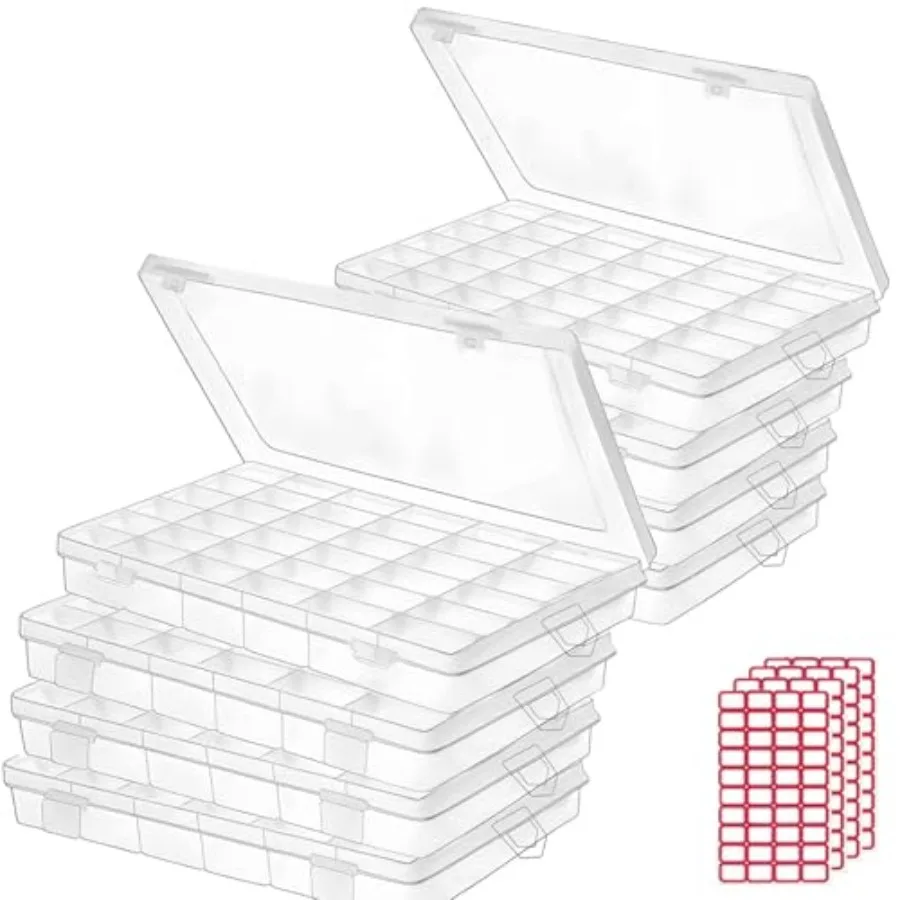
The pitch is seductive: eat small and often, and your metabolism stays "stoked" all day, burning more than it would on three meals. I committed fully. Alarm every few hours, little protein-forward plates portioned into a stack of meal prep containers so I never missed a feeding. It felt disciplined and scientific.
What it mostly was, in practice, was constant. I was always either eating, cleaning up, or planning the next mini-meal. My whole day organised itself around the alarm.
What actually moved the needle
When I compared the two months honestly, the thing that determined fat loss was total calories, not how many windows I spread them across. Six meals or three, if the day's total was in a deficit, I lost fat. If it was not, I did not. The metabolic "stoking" effect, whatever small reality is behind it, was too tiny to show up in my results.

I tracked both months in the same fitness journal so I was comparing like with like. The protein target mattered enormously. The number of plates it arrived on did not.
Where frequent meals genuinely helped
I do not want to trash the approach, because it had one real benefit for me: appetite control. Spreading food out kept me from arriving at dinner so hungry I demolished everything in sight. For a person who tends to overeat when famished, more frequent eating is a useful tactic, just for a different reason than advertised.
But the people for whom this is torture, who feel chained to the kitchen, get the exact same fat-loss result from three solid meals. On busy days I leaned on a protein powder shake as a fast small meal, and a blender bottle lived in my bag so I was never stuck.
What I actually do now
I eat three meals and usually one snack, on a schedule loose enough to survive real life. I hit my protein, I keep the day in a modest deficit, and I do not own an eating alarm anymore. My fat loss continued exactly as before, with a fraction of the fuss.
The strength side never changed regardless of meal timing. A couple of adjustable dumbbells sessions a week kept my muscle whether I ate three times or six. Training, not feeding schedule, is what protected my muscle in a deficit.
The honest takeaway
Meal frequency is a preference, not a fat-loss mechanism. Pick whatever pattern keeps your total calories and your protein where you want them and lets you stop thinking about food the rest of the day. If six small meals genuinely helps you avoid bingeing, use it. If it makes you miserable, drop it without guilt and let three meals do the same job.
I wasted a month optimising the wrong variable. A kitchen food scale for portion sanity and a basic deficit would have got me the same place with none of the alarms. The frequency does not burn the fat. The deficit does.
Ready to shop? Compare meal prep containers across stores → 📚 Or browse fitness programs & plans in Digital Goods →