The Quiet Daily Habits Behind Actually Debt-Free Living

Debt-free living gets sold as a finish line, a single triumphant moment when the last balance hits zero. In my experience it's nothing like that. It's a quiet, daily way of making decisions, and the freedom comes not from a payoff date but from a habit you barely notice anymore.
I'm not a financial advisor and none of this is financial advice. It's just what changed once I stopped chasing the dramatic version and settled into the boring one.
Spend under what you earn, on purpose
The whole thing rests on one unglamorous rule: limit what you spend to less than what you actually earn. Obvious, ignored constantly. Loans are so common now that it feels like you can't get anywhere without leaning on a creditor, and for a house or a car that may be true. But for the small stuff, the everyday wants, the trap is treating credit like income.
What helped me was making the gap visible. I keep the month's earnings and the month's spending side by side in an expense tracker app, and I look at it most mornings the way other people check the weather. When the two lines drift too close, I feel it before the statement does.
Save for the thing before you buy the thing
We've gotten used to getting everything fast, and we expect to own things just as fast. That reflex is what credit feeds on. The old, slow way, saving for something and only then buying it, feels almost quaint, but it's the spine of debt-free living. The wait isn't deprivation. It's the part where you decide whether you actually wanted the thing or just wanted to feel something.

I park targeted savings in a separate bucket and label it for whatever I'm waiting on. Writing the goal down in a budget notebook makes the wait feel like progress instead of denial.
Audit your assets when the weight piles up
There were months when the credits sitting on my shoulders got heavy enough that I had to stop and pull myself together. The move then is to evaluate everything you own, give up on what you don't really need, and show some genuine control over the cards. Not a fire sale, just an honest look. Half the stuff I'd financed, I couldn't even remember wanting.
What I deliberately don't do in those months is make it worse. No new loans, no fantasy home redecoration, no new-car plans. A personal finance book I leaned on early put it bluntly: you can't redecorate your way out of a hole.
Treat a raise as a chance to save, not spend
The instinct when income bumps up is to bump spending right along with it. The debt-free habit is to bank the difference and quietly build a cushion for the rainy days that absolutely will come. That's not a sacrifice. It means you're being careful enough about your future to want a buffer between you and personal bankruptcy.
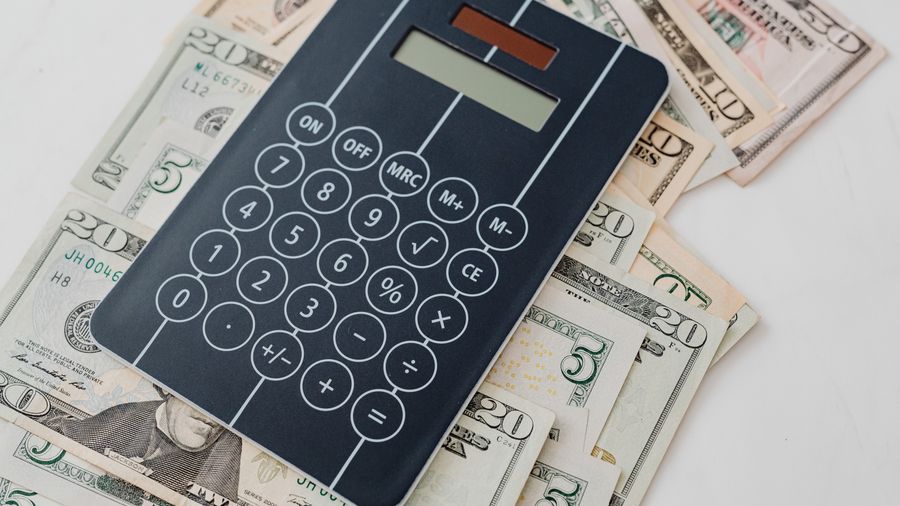
I automate it now. When the number goes up, the increase routes straight into savings before I ever see it, tracked through a simple budget planner so I can watch the cushion grow.
The part nobody mentions: it changes your mood
The reason I stuck with the boring version is what it did to the rest of my life. Less stress and pressure over the shoulders, fewer money fights, better conversations with the people around me. I eventually felt more relaxed and more at peace with who I was, and that made me more open to others. Quality of life went up in ways that had nothing to do with the bank.
Debt-free living, done as a daily habit instead of a heroic event, is mostly small choices repeated until they're automatic. Keep your earnings and spending in view, wait before you buy, save your raises, and protect your peace. A financial calculator and a cheap budget notebook are honestly most of the toolkit. The freedom is real, but it arrives quietly.
Ready to shop? Compare expense tracker app across stores → 📚 Or browse investing & money courses in Digital Goods →