The Honest Guide to Better Budgeting From Scratch
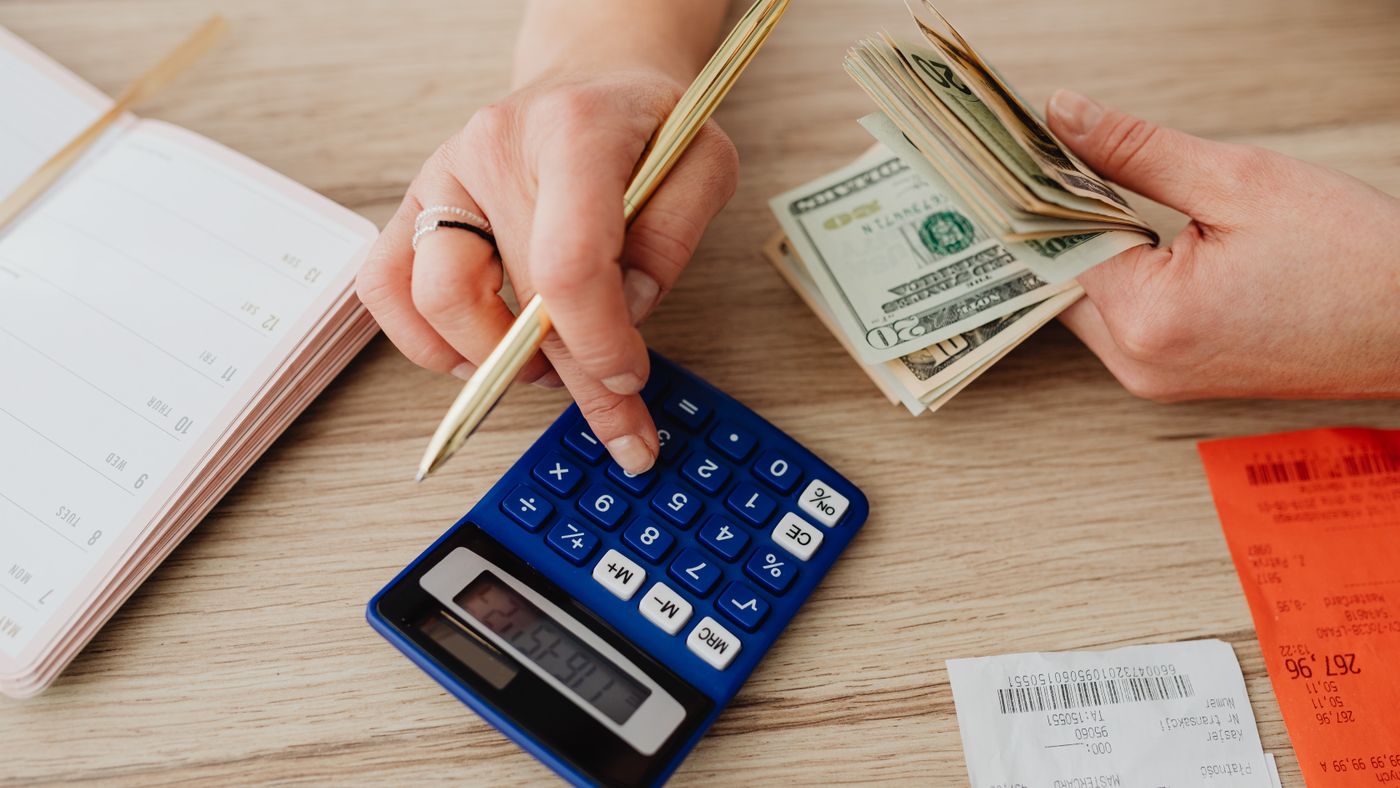
A budget gets a bad reputation it doesn't deserve. People hear the word and picture a cage, a month of saying no to everything. But a budget is just a money plan, a way of deciding ahead of time where your dollars go instead of wondering where they went. Done right, it gives you more freedom, not less.
At its core, budgeting is setting aside money for both the expenses you expect and the ones you don't. It's an estimate of your monthly spending built from your actual past spending. The reason most people fail at it is they guess instead of measure, and then build a plan their real life can't support.
Step one: find out where your money actually goes
You can't plan around numbers you don't have. The first real step is figuring out how long your income lasts and what eats it. Track every expense for a full month, every coffee, every tank of gas, every subscription. The patterns that emerge are usually surprising, and they're where your fixable leaks live.
Separate the fixed from the flexible. Fixed costs are the immovable ones: rent or mortgage, car payment, insurance. Those get paid no matter what. Everything else, the groceries, the entertainment, the clothes, is where you actually have room to maneuver. A simple expense tracker app">expense tracker app or a paper budget notebook">budget notebook for that first tracking month makes the picture clear.
Step two: subtract, then assign what's left
The math is straightforward. Take your monthly income, subtract every fixed bill, and what remains is what you have to work with. Say you bring in a steady amount each month. Pull out the rent, the car payment, the insurance, the regular bills, and the balance becomes your real household budget.
Instead of just throwing the leftover at gas, clothes, groceries, and fun as it comes, assign it in proportions. Decide ahead that groceries get a certain share, entertainment a smaller one, and so on. This is the difference between a plan and a hope. A monthly budget planner">monthly budget planner with category lines makes this allocation concrete instead of vague.
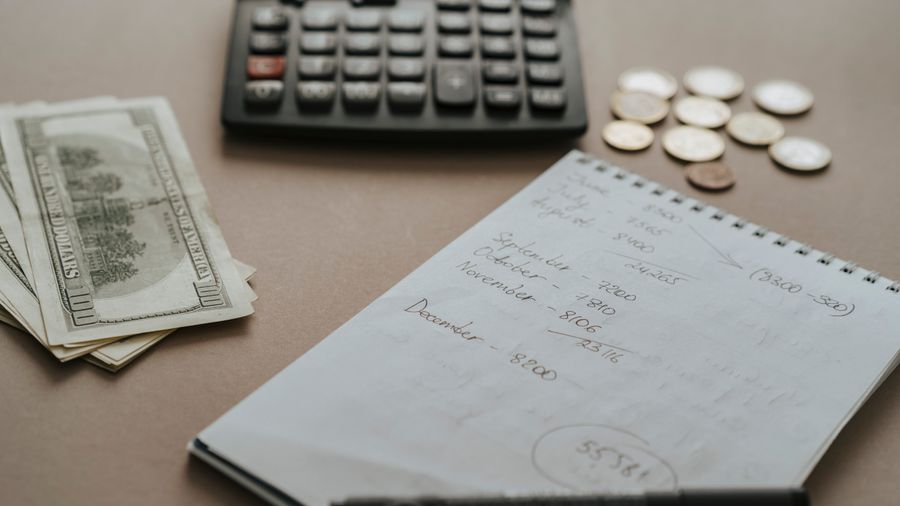
The secret is being firm and flexible at once
Here's the part people miss. A good budget is rigid where it must be and bendable where it can be. Fixed expenses are non-negotiable, you pay them on time, full stop. But the flexible categories need give, because real life doesn't run on perfect numbers. A budget with zero slack snaps the first time something unexpected happens.
The goal is to set your plan and stick to it as closely as you realistically can, while accepting that some months will be messy. Don't abandon the whole thing because you blew one category. Adjust and keep going. A cash envelope system">cash envelope system helps enforce the flexible limits physically, since when an envelope is empty, that category is done for the month and you feel it.
Four habits that make budgets actually work
First, get your head right about money. Budgeting takes compromise and a willingness to cut back, and that's a mindset before it's a spreadsheet. If you're fighting the whole idea, no system will save you.
Second, lay it out clearly: income on one side, expenses on the other, so you can see the whole shape at once. Third, learn the difference between luxuries and necessities. List what you think are luxuries, then cross out half, because some of what feels essential isn't. Fourth, practice frugality without misery. You can have a great day with the kids at the park for free instead of an expensive outing. A budget planner">budget planner keeps all four habits in one place, and a small coupon organizer">coupon organizer turns the frugality habit into actual savings on the flexible spending.
Keep score or it falls apart
The single most important ongoing step is writing down what you earn against what you spend, every month. Budgeting isn't a one-time setup, it's a habit you maintain. Without tracking, you drift back to spending blind within weeks.

Use whatever system you'll actually stick with, whether that's a money management app, a spreadsheet you built yourself, or a paper ledger. The tool doesn't matter, the consistency does. A financial calculator">financial calculator on hand makes the monthly check-in faster, and a document organizer">document organizer for bills and statements means you're never hunting for the numbers.
Expect to adjust it as life changes
The budget you build this month is not the budget you'll run next year, and that's how it should be. Income changes, rent goes up, a kid starts a sport, a car gets paid off. A budget is a living document, and the people who succeed with it revisit and tweak the numbers as their circumstances move. Treating it as a fixed law you set once is how it slowly stops matching reality and gets abandoned.
Build a habit of a quick review every month or two: does each category still fit what's actually happening? Did a fixed cost change? Is there a new goal worth funding? These small recalibrations keep the plan honest and useful instead of letting it drift into fiction. Budgeting is one of the few genuinely powerful tools available to absolutely anyone, no special income or knowledge required. Build the plan, keep the score, adjust as you go, and it quietly changes your finances over time.
Ready to shop? Compare expense tracker app across stores → 📚 Or browse investing & money courses in Digital Goods →