
Ten Practical Money-Saving Habits That Actually Stick

I don't trust money advice that requires you to become a different person. The plans that tell you to give up all coffee and never see a friend again don't survive contact with real life. The savings that stuck for me were small, almost boring habits I could keep without thinking about them. Here are ten that pay.
None of these will transform your finances overnight. That's the point. Stacked together and left to run for a year, ordinary habits beat heroic willpower every time. Practicality, not deprivation, is what actually works.
Start with the easy energy swaps
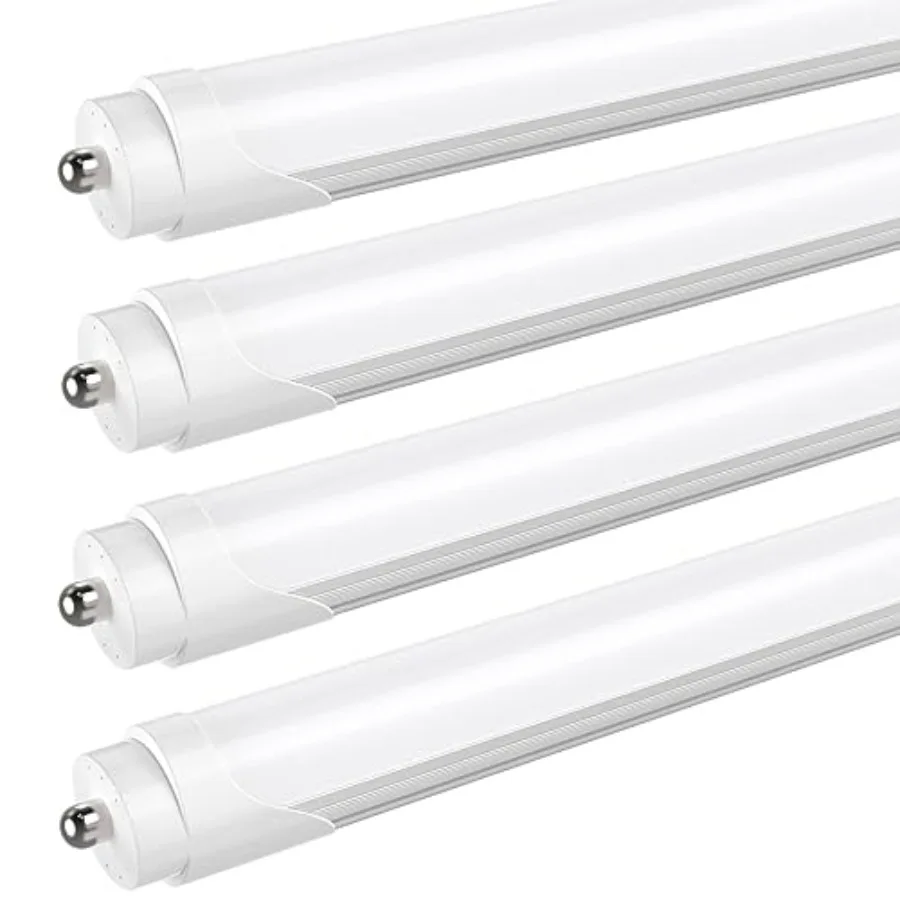
The lowest-effort saving I know is changing the bulbs you use most to led light bulbs. They use a fraction of the energy for the same light and last for years, so you save on the bill and on replacements. It's a one-time, ten-minute job that keeps paying. Pair it with the habit of switching off whatever isn't in use — not out of guilt, just reflex.
The second easy one: put your entertainment center and other always-warm electronics on a smart power strip that cuts standby power. It's a small slice of the bill, but it's free money once it's set up, and you never think about it again.
Bring it from home
The fastest way to torch a budget is buying food you could have brought. Packing lunch instead of buying it most days is the single habit that saved me the most for the least sacrifice — a homemade sandwich and chips from the grocery cost a fraction of the cafe version. A decent insulated lunch bag makes it effortless instead of a chore.
Same logic everywhere: bring your own snacks and drinks on a road trip so you're not paying convenience-store markup, and carry water in a reusable water bottle instead of buying it by the bottle. Cooking dinner at home most nights and saving restaurants for genuine occasions does more for the budget than any coupon.

Shop with a list and a little patience
I never go to the grocery store without a list now, and I treat it as law — if it's not on the list, it's a want, and it waits. That one rule cut my impulse buys hard. For staples and non-perishables I buy the bigger size or in bulk, since the per-unit price drops, and store the overflow so it doesn't go stale.
Coupons and store apps are worth the two minutes if they're digital and one-tap — I clip the ones for things I'd buy anyway and skip the paper-clipping marathon, which never paid for the hours it took. Buying things at the end of their season, especially clothes, gets me the same items at clearance prices because I wasn't in a rush.
Buy online smarter and stop shopping for fun
When I buy online, I search the item next to the words discount code first — it surprisingly often surfaces an active deal — and I check open-box or lightly-used listings for big-ticket items that are practically new at a steep discount. A phone tripod stand or any gadget I want goes through that check before I pay retail.
The harder habit: I stopped shopping to feel better. Browsing stores as entertainment is how unplanned money disappears. When I'm restless I walk in the park or watch a movie instead — and I bring my own snacks, because the markup at the theater is real. Replacing retail therapy with literally anything else was quietly one of my biggest savings.
Use what's already in the house
A surprising amount of stuff I bought, I already owned a version of. Pantry items double as skin care — oats, honey, baking soda — so I stopped buying single-purpose products I'd use twice. Leftovers get remade into a second meal instead of tossed. Worn-out clothes become rags. None of it is dramatic, but the habit of asking "do I already have something for this?" before buying saved a steady trickle.

Make a few things yourself
The last cluster of habits is about producing instead of always buying. Cheap household cleaners are mostly vinegar, baking soda, and water — I mix my own in a reusable spray bottle for pennies and stopped buying a shelf of single-purpose sprays. Coffee from home in a travel mug beats the daily cafe stop on cost by a wide margin, and it's barely more effort once it's a routine.
Repairing beats replacing more often than we assume. A basic sewing kit fixes a popped button or a small tear that would otherwise retire a perfectly good shirt, and simple home repairs you do yourself avoid both the part markup and the labor. None of this is about being a hardcore DIYer — it's about not reflexively buying a solution when you already have one.
Finally, the habit under all the others: pay credit cards in full every month so you never hand the bank interest, and lean on cash for discretionary spending because it feels like spending in a way tapping a card doesn't. A simple budget planner notebook to track where the money actually goes is what makes every other habit real — you can't trim what you never measured. Pick three of these, run them for a year, and the math will quietly take care of itself.
Ready to shop? Compare led light bulbs across stores → 📚 Or browse investing & money courses in Digital Goods →