A genuinely good home coffee setup without the $2,000 machine

People assume good home coffee means a chrome espresso machine the size of a microwave and a four-figure receipt. It doesn't. I drink coffee every day that's better than most cafés, and the whole setup costs less than one fancy machine — because the espresso rig is the most expensive, most fiddly, and least necessary path to a great cup. Here's where the money actually goes.
The single most important thing in this entire article: spend on the grinder, not the brewer. A $500 espresso machine paired with pre-ground supermarket coffee makes a worse cup than a $30 pour-over cone with freshly ground beans. Grind freshness and quality matter more than every other variable combined, and almost everyone gets the priority backwards.
The grinder is the whole game
If you buy one thing, buy a burr coffee grinder. Not a blade grinder — a blade grinder is a tiny propeller that smashes beans into random-sized chunks, and uneven grounds brew unevenly, which is why so much home coffee tastes both bitter and sour at once. A burr grinder crushes beans to a consistent size between two cutting surfaces, and that consistency is the difference between muddy and clear in the cup.
A solid manual coffee grinder starts around $40–50 and genuinely outperforms a $200 electric blade grinder; you turn a crank for thirty seconds, which is a small price for a real upgrade. If you make coffee for a household or hate the morning effort, a decent electric conical burr grinder is the move — expect $100–150 for one worth owning. This is the one place I'll tell you not to go cheap. Everything downstream depends on it, and a great brewer can't fix bad grounds.
Pick one brew method and skip the rest
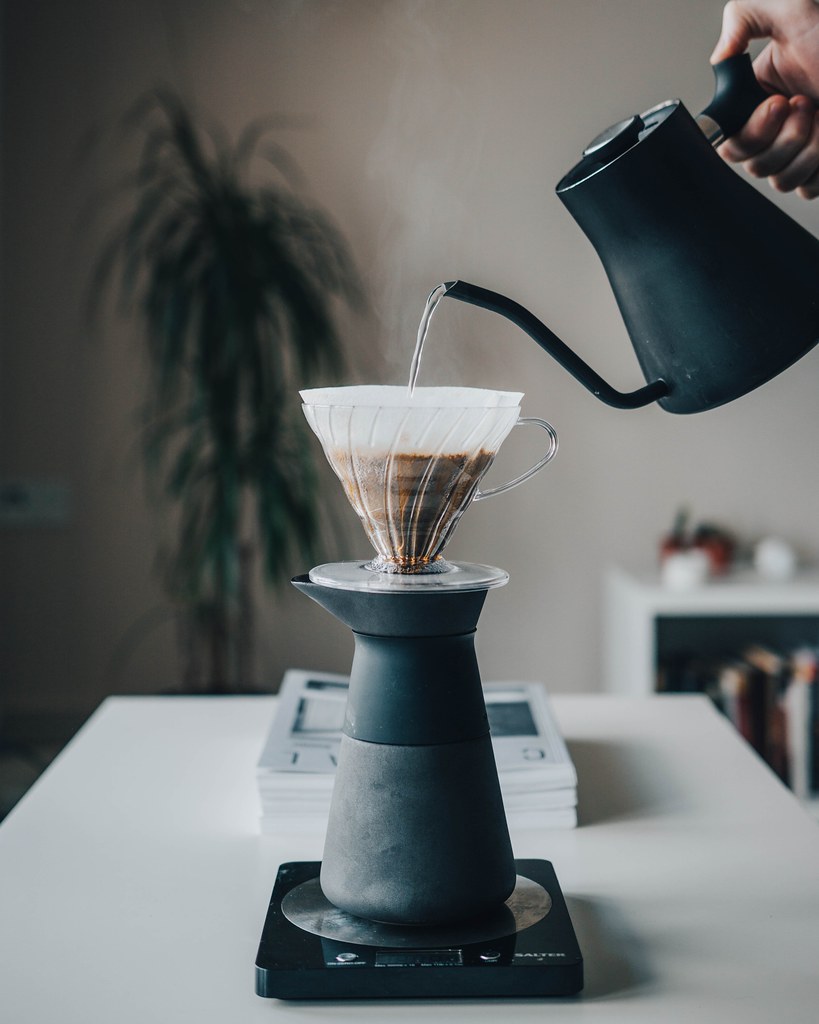
You don't need a shelf of devices. Pick one method that fits how you drink. For everyday black coffee, a pour over coffee maker like a simple cone is $20–30, makes a remarkably clean and flavorful cup, and teaches you more about coffee than any machine because you control every variable. The french press is the lowest-effort path to rich, full-bodied coffee — no paper filters, hard to mess up, $25 — and it's what I'd hand a beginner.
If you want espresso-style coffee without the espresso-machine money, the aeropress is the answer almost nobody expects: it's about $40, makes a concentrated, smooth shot, travels anywhere, and is nearly impossible to ruin. For a hands-off morning, a cold brew maker steeps overnight in the fridge and gives you a week of smooth, low-acid coffee for almost nothing. Any one of these makes excellent coffee. Owning all of them just means you've spent more to wash more devices — pick the one that matches your morning and ignore the others.
The two cheap details that punch way above their cost
Once the grinder and brewer are sorted, two small buys do an outsized amount of work. The first is a gooseneck kettle. For pour-over especially, controlling where and how fast the water lands changes the cup dramatically, and the thin spout makes that controllable. A variable-temperature electric electric kettle is even better — coffee brews best between roughly 195–205°F, and boiling water actually scorches it, so the ability to dial the temperature is a real and noticeable improvement for about $40.
The second is a cheap digital kitchen scale. Coffee is a ratio — water to grounds — and eyeballing scoops is why your cup tastes different every morning. Weighing your beans and water takes ten seconds, costs $15, and instantly makes every cup repeatable, which means when you brew a great one you can do it again. These two together cost less than a single bag of fancy beans and improve the cup more than any machine upgrade would.
What to skip — and where the real money should go
Skip the $2,000 super-automatic that grinds, brews, and froths at a button — they make mediocre coffee, break expensively, and the convenience isn't worth the depreciation. Skip pod machines if you care about quality at all; you're paying a premium per cup for stale pre-ground coffee sealed in plastic. Skip the conical-burr "grinder" built into a cheap drip machine — it's usually a blade in disguise. And skip the matching-set marketing entirely: the canister, the branded mug, the gold filter that lets sediment through.

Here's where the saved money actually belongs — fresh beans. The biggest quality jump available to any home setup is buying whole bean coffee roasted within the last few weeks instead of a bag that's been on a shelf for months, and grinding it right before you brew. Coffee goes stale fast once it's ground; whole beans hold for weeks. Buy from a roaster with a roast date on the bag, store it in an airtight container away from light, and grind only what you're about to drink. If you want milk drinks, a $15 handheld milk frother gets you ninety percent of the way to a latte without an espresso machine in sight.
The whole genuinely-good setup is a burr grinder, one brewer you actually like, a temperature kettle, a $15 scale, and fresh whole beans — call it $150–250 all in, and it beats the café most mornings. The expensive machine was never the path to a great cup. Fresh beans, an even grind, the right water temperature, and a ratio you can repeat were the whole secret, and none of them needed a chrome monster on your counter.
Ready to shop? Compare pour over coffee maker across stores → 📚 Or browse cooking courses & recipe books in Digital Goods →