
Where to Find Collectible Coins: Six Sources Ranked

People hear the occasional story of someone cashing in an old coin for a small fortune and decide to start hunting. Fair enough; that's how a lot of us got pulled in. But where you hunt shapes both what you find and what you pay, and the six places I keep coming back to each reward a different kind of buyer. Here's how I'd rank them, and the catch hidden in each.
Coin shops
A local coin shop is the steadiest source, and often the most educational. The owner is usually a dealer who knows the material cold, and a good one will happily teach you. The tradeoff is price: shops buy to resell at a profit, so you're paying retail. You can still get fair deals, especially once you know enough to talk grades intelligently or bring a knowledgeable friend, but nobody's giving away bargains across the counter. I treat shops as much for the knowledge as the inventory. Bring a jewelers loupe and actually examine what you're considering.
Coin shows
When multiple dealers gather under one roof, the dynamic flips in your favor. Competition softens prices, and you can walk the floor comparing the same coin across several tables before committing. Shows are also where the genuinely scarce and unusual pieces surface, so even if you're just looking, they're worth the trip for the education. Bring cash, bring your want list, and don't be shy about negotiating; everyone there expects it.
Online dealers and mail order
There are thousands of dealers worldwide with websites, and the convenience is unbeatable. The danger is equally real. For every legitimate seller there are plenty of outfits built purely to take your money, so do your homework: read the return terms carefully, confirm you can get a refund if a coin arrives wrong, and look for genuine feedback from past buyers before you pay. Never hand over passwords or sensitive account details to a seller. When you buy this way, insist coins ship in proper coin flips or coin capsules so they arrive undamaged, and inspect them the moment they land.
Flea markets
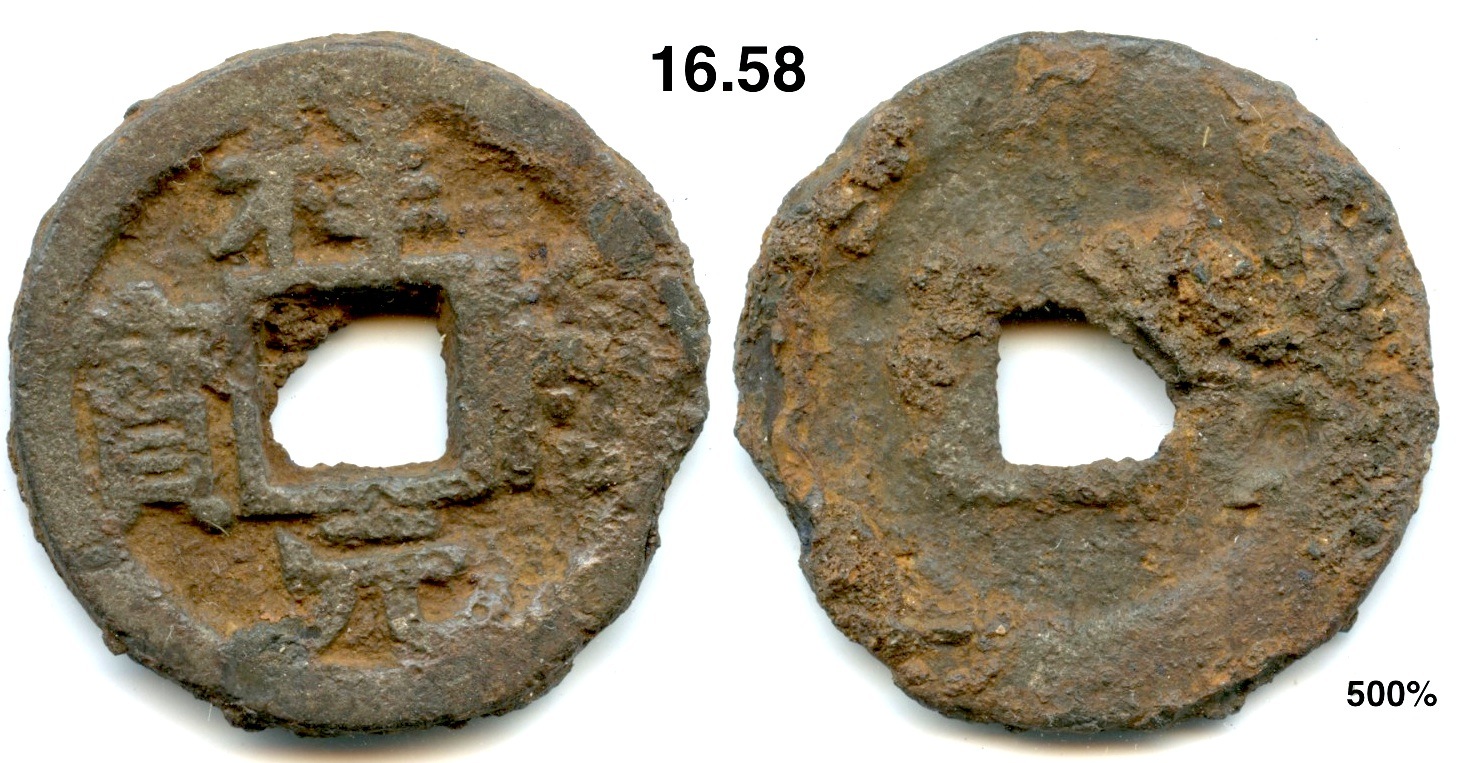
This one's a gamble, and I love it for exactly that reason. Most flea market sellers don't really understand coin pricing, which cuts both ways. You'll wade through overpriced junk where someone thinks an ordinary coin is treasure, but every so often you find a genuine rarity priced like pocket change because the seller had no idea. These sellers want quick sales, so they'll often discount for bulk buys or toss coins in as a bonus when you purchase other items. Go in with low expectations, a sharp eye, and a coin magnifier in your pocket, and treat any real find as a happy accident rather than the plan.
Auctions
For the truly rare and expensive coins, auctions are where they live. It's the one venue where people consistently put their finest, most valuable pieces up for sale, and many auctions now run online with sellers chasing the highest bidder. The upside is access to material you'd never find elsewhere. The downsides are fraud and the heat of bidding: some sellers aren't honest, and an auction's competitive energy can push you past what a coin is actually worth. Research the specific coin and its real market value before you raise your hand, and set a hard limit you won't cross.
Other collectors
Honestly, fellow collectors might be the best source of all for a beginner. They often hold duplicates they'll sell below market value, and they come with something no shop offers: genuine goodwill. The hard part is finding people who collect what you collect. Online groups and forums are the obvious starting point, plus any local club you can join. Beyond coins, these are the people who'll hand you tips, point out fakes, steer you away from bad deals, and sometimes gift you a coin or two to kick-start your collection. The relationships outlast any single purchase.

The thread running through all of it
Wherever you buy, coin collecting behaves like any investment: values rise and fall, sometimes unpredictably. The single best protection is staying current on coins and prices so you can value a piece on your own, without leaning on a seller's word or even a price list. That knowledge is what keeps you from being fooled at the flea market table or the auction podium alike. Set yourself up to evaluate on the spot with a good loupe, keep a coin price guide handy, store new acquisitions safely in a coin album the moment you get them home, and handle everything with cotton coin gloves. The coins are out there in all six places. Knowing what they're worth is the part you carry with you.
Ready to shop? Compare coin price guide across stores →