The Basics of Coin Collecting: From Casual to Serious

They used to call coin collecting "the hobby of kings," and the snobbery aside, there's something to it: it's one of the few pastimes you can start today with the change in your pocket and still be deepening decades from now.
Collecting coins as an art form goes back to at least the fourteenth century, and today people all over the world do it for wildly different reasons. Some are chasing value. Some just love the simple pleasure of holding coins they've never seen before. The important thing to understand up front is that coin collecting is not money hoarding, it's a deliberate practice of acquiring, organizing, and appreciating coins, and it asks no special skill to begin. Almost anyone can do it. What's interesting is how predictably collectors evolve once they start, so let me map the stages and the paths.
Stage one: the informal collector
Nearly everyone, kids especially, starts here. The informal collector is laid-back and goalless, grabbing coins that catch the eye without any real plan. A foreign coin from a trip, an old penny from a drawer, a weird-looking dime, all tossed together with no system and no intention of getting serious.
And that's exactly how it should start. This stage is pure curiosity, and curiosity is the engine of the whole hobby. Don't rush past it by buying a stack of coin collecting supplies on day one. Let the pile grow, enjoy the randomness, and see whether the interest sticks. If it does, you'll feel yourself wanting more structure, and that's the signal you're about to level up.
Stage two: the inquisitive collector
The shift happens the moment you start noticing details. Once the informal collector begins really looking, at the dates, the mint marks, the little design differences, they've become an inquisitive collector. This collector still isn't spending much money to chase coins; they mostly want to appreciate what passes through their hands.
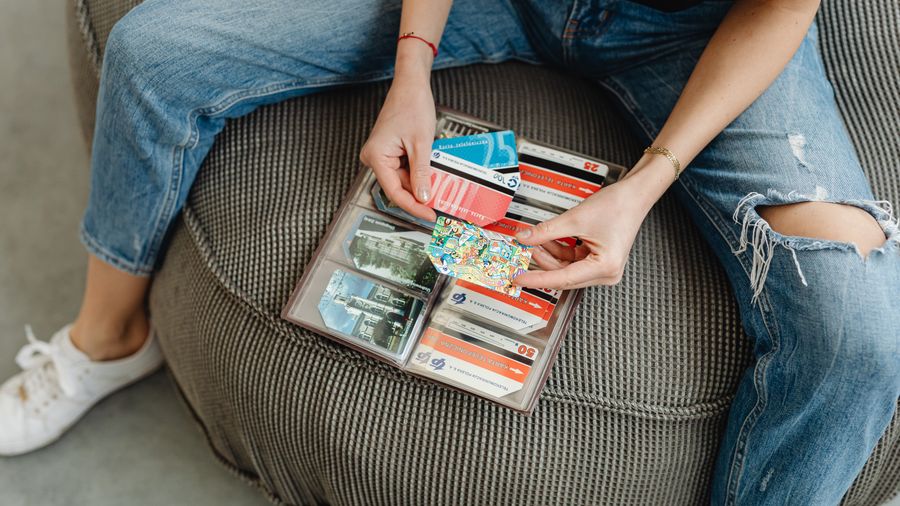
But something practical changes: they start wanting to keep coins properly, putting them into containers, folders, or albums instead of a jar. This is the natural moment to get a coin collecting kit and maybe a coin collecting book, because now the gear actually serves a purpose. The inquisitive stage is where the hobby clicks for most people, because appreciation plus a little organization is genuinely satisfying without requiring a budget.
Stage three: the advanced collector
The advanced collector is the one with a target. Instead of grabbing whatever's interesting, they collect with a specific goal, completing a series, assembling coins from one nation, or filling out a particular era. This is where the hobby gets focused and, often, where it starts to cost real money.
It's also where skills like grading and pricing become essential, because now you're competing for specific coins and you can't afford to overpay or misjudge condition. An advanced collector lives with a coin grading guide and a coin price guide close at hand. The honest trade-off of this stage is that the relaxed, anything-goes joy of stage one gives way to a more demanding, goal-driven pursuit. Most people find that trade worth it, because chasing a defined collection is deeply rewarding, but it's worth knowing the vibe changes.
The paths you can take
Part of what keeps the hobby fresh is how many directions you can collect in. One classic approach is collecting by nation, gathering coins from a particular country, often one you've visited, so your collection becomes a way to travel the globe through metal. It makes a coin album feel like a passport.
Another is collecting by history, focusing on coins from a specific period, like wartime issues or coins struck around a declaration of independence. Your collection becomes a timeline you can hold. And then there are error coins, which a lot of people find irresistible, coins with minting mistakes that are genuinely rare today, turning each find into a little thrill. There's no wrong path, and many collectors blend several. The point is to pick a thread that excites you, because excitement is what sustains a hobby over years.
How to know if it's for you
Here's my honest advice: feel the hobby out before committing money to it. Coin collecting can absolutely require spending, especially once you go advanced, and the wise collector is deliberate about how much and where. Start in the informal stage with coins you already have, see if the curiosity grows into something more, and only invest in gear and acquisitions as your genuine interest pulls you forward.
One last bit of practical guidance for the very beginning: don't let the gear or the jargon intimidate you out of starting. You do not need to understand grading, pricing, or storage chemistry to enjoy your first month. Those skills arrive naturally as your interest deepens, and a single coin collecting book will answer most of the questions you'll have along the way. The collectors who burn out are usually the ones who tried to do everything at once; the ones who stick with it for decades almost always started simple and let the hobby unfold at its own pace.
That's the beauty of coin collecting: it scales to whatever you want it to be. It can stay a relaxed jar of curiosities, or it can become a focused, lifelong pursuit of a specific set of treasures. Both are legitimate, and you don't have to decide on day one. Start with what's in your pocket, let your own interest set the pace, and the hobby of kings will meet you wherever you are.
Ready to shop? Compare coin collecting supplies across stores →