Numismatics for Beginners: How Coins Are Graded and Valued
Two identical-looking coins can be worth $5 and $500 — and the only difference is the grade. Numismatics, the study of coins and currency, is really the study of that difference: what makes one coin ordinary and another extraordinary. Learn to see it and the whole hobby opens up.
Numismatics is older than you'd think — Julius Caesar's era gets credit for the first book on it. Every coin is a little artifact of an era's culture, economy and politics. But for a collector, the practical heart of it is grading, because grade drives value.
Collector vs. numismatist
A coin collector gathers coins for the pleasure and the hunt. A numismatist studies the origin, production, and history of money itself. The two overlap constantly — most serious collectors become part numismatist out of necessity, because understanding why a coin matters is how you know what it's worth. A good coin grading guide bridges the two.
How the grading scale works
Old grading was simple: Good (details intact), Fine (details plus some luster), Uncirculated (never spent, original surface). Modern grading is far more precise, using the 70-point Sheldon scale — a letter-number code like MS-65, where "MS" means Mint State and the number runs to 70 (flawless). An MS-60 to MS-70 coin is uncirculated; the higher the number, the better the strike, color and surface. For most collectors, the ability to grade is non-negotiable, because value tracks the grade almost exactly.

The four things graders look at
Luster — the original mint shine; the more intact, the higher the grade. Surface preservation — scratches and abrasions matter most when they're on the focal point (a hidden scuff on the back hurts far less than one on the face). Strike — how crisply the design was stamped. Coloration — original color, especially on copper and silver, can hugely affect value. A 10x jewelers loupe under good light is how you actually see these.
When to let the pros grade
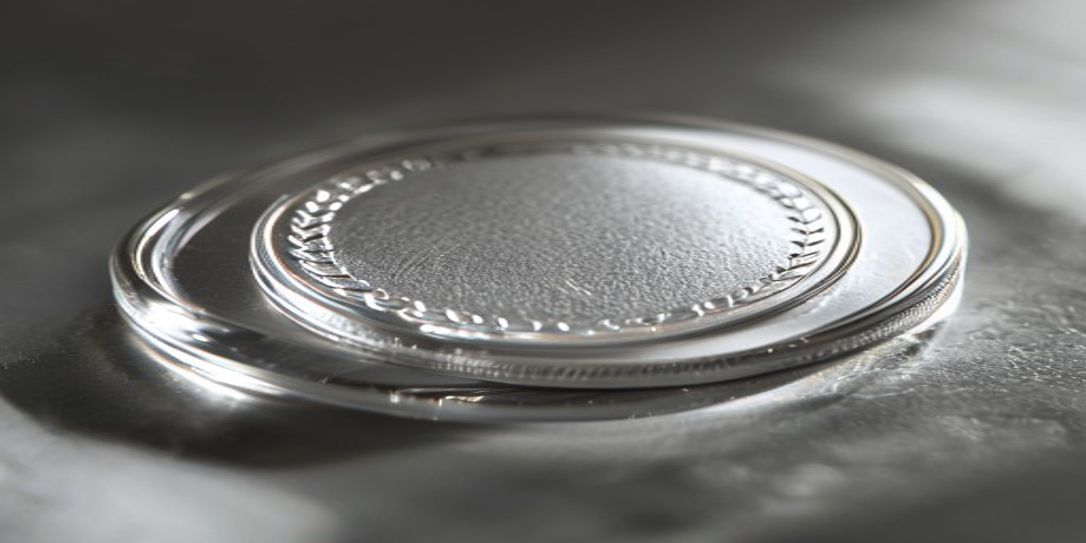
For valuable coins, third-party grading services (the major ones authenticate and assign a grade, then seal the coin in a tamper-evident holder) protect both buyer and seller. A professionally graded, "slabbed" coin sells for more and trades with confidence. Keep your own coins safe in the meantime with coin capsules and a coin album.
What I'd skip
Skip trusting your own grade on an expensive coin you're buying — get it professionally certified. Skip cleaning, ever; it destroys luster and tanks the grade. And skip obsessing over tiny grade differences on common coins where the value gap is pennies — save that energy for the keepers.
The honest answer
Grading is the skill that separates a collector who overpays from one who finds bargains. Learn the 70-point scale, learn to read luster, strike and surface under a loupe, and lean on professional grading for the valuable pieces. Master that, and you're not just collecting coins — you're reading them.
Ready to shop? Compare coin grading guide across stores →