
How to Start Collecting Ancient Coins Without Overspending

Most people talk themselves out of ancient coins before they ever buy one, convinced the field is reserved for wealthy specialists. I almost did the same. Then I bought a worn bronze for the price of a nice dinner, held something struck two thousand years ago, and understood the appeal instantly. Ancients can absolutely get expensive, but they don't have to, and the uniqueness you get for your money is unmatched anywhere else in the hobby.
The trick is to approach them deliberately instead of impulsively. Here's the six-step plan I wish I'd followed from the start.
1. Research before you buy anything
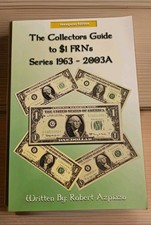
Before spending a cent, learn what actually counts as ancient and what the major categories are. You don't need a library card; plenty of solid information lives online, and an afternoon of reading will save you from beginner mistakes. Understanding the basic eras and how genuine ancients look and feel is your single best defense against overpaying and against fakes. Keep a coin reference book within reach as you go, because you'll return to it constantly while identifying pieces.
2. Pick a civilization or era to focus on
The range of ancient coins is enormous, spanning Chinese, Roman, Greek, Persian, and many other civilizations. Trying to collect all of it is a recipe for a scattered, shallow collection. Far better to choose one group or era and go deep. Pick the culture that genuinely fascinates you, whether that's the portraiture of Roman emperors or the artistry of Greek city-states, and let that focus shape everything you buy. A defined focus makes you a smarter buyer, because you quickly learn what's normal and what's special within your chosen niche.

3. Start cheap and work upward
Once you've chosen a focus, begin with the least expensive coins you can find. Set yourself a modest ceiling per coin, something like a small fixed budget, and buy within it while your eye develops. There's no shame in starting with worn, common bronzes; they teach you to handle, identify, and evaluate ancients at low financial risk. As your collection and your confidence grow, you can graduate to the more expensive pieces. Rushing straight to high-value coins before you know what you're doing is how beginners get burned.
4. Hunt auction houses and online sales carefully
Auction houses and online auctions are where a lot of ancient material surfaces, so they're natural hunting grounds. But ancients attract fraud precisely because their age and unfamiliarity make fakes harder for beginners to spot. Take extra care buying online, where you can't hold the coin first. Stick to sellers with genuine track records, read descriptions and return terms closely, and lean on your research to sanity-check anything that looks too good for its price. A coin magnifier and a jewelers loupe are essential for examining surfaces, wear, and details once a coin arrives, so you can confirm you got what you paid for.
5. Keep a prioritized want list with budgets
One habit transformed my ancient collecting: a written want list. List the specific coins you'd like to acquire, ordered by preference, and crucially, attach to each one the amount you're willing to spend. This does two things. It makes searching far more efficient, because you know exactly what you're looking for instead of buying whatever catches your eye. And it keeps your budget under control, whether you're scrolling an online auction at midnight or standing in an auction house, by giving you a hard number to hold the line at. The list is your discipline, externalized.

6. Store ancients separately and carefully
Ancient coins are generally more expensive and more fragile than ordinary collectibles, so they deserve dedicated, careful storage. Keep your ancient collection in its own holders, separate from your other coins, both to stay organized and to give these pieces the specific care they need. Individual coin capsules protect each coin from contact and air, archival coin flips work well for lower-value pieces, and a dedicated coin storage box keeps the whole group together and findable. Always handle ancients with cotton coin gloves, because their surfaces are old and often delicate, and the oils from your fingers can do real harm over time. One firm rule that applies doubly to ancients: never clean them. Cleaning destroys the patina that experts and collectors value and can gut a coin's worth in seconds.
Don't let them intimidate you
The reputation ancients have for being difficult and pricey keeps too many collectors away from one of the most rewarding corners of the hobby. Approached the right way, with research, a clear focus, a modest budget, and careful storage, they're not just accessible, they're genuinely thrilling. Every ancient coin is a source of knowledge as much as a collectible, a small physical link to a world that existed millennia ago. Start small, stay curious, protect what you buy, and let the collection teach you as it grows.
Ready to shop? Compare coin reference book across stores →